How to Use Foreshadowing to Create Intrigue and Suspense offers a fascinating exploration into the art of narrative tension. By skillfully weaving hints and clues throughout a story, authors can captivate readers, prompting them to linger on every word in anticipation of what is to come. This technique not only enhances storytelling but also deepens the connection between the audience and the characters, fostering engagement and curiosity.
Understanding the nuances of foreshadowing is essential for any writer looking to create compelling narratives. From subtle hints to overt signals, this literary device has been employed across various genres to establish mood and build suspense, ultimately enriching the reader’s experience. Through careful analysis of literary examples and practical techniques, we can uncover the secrets to mastering foreshadowing in our own writing endeavors.
Understanding Foreshadowing
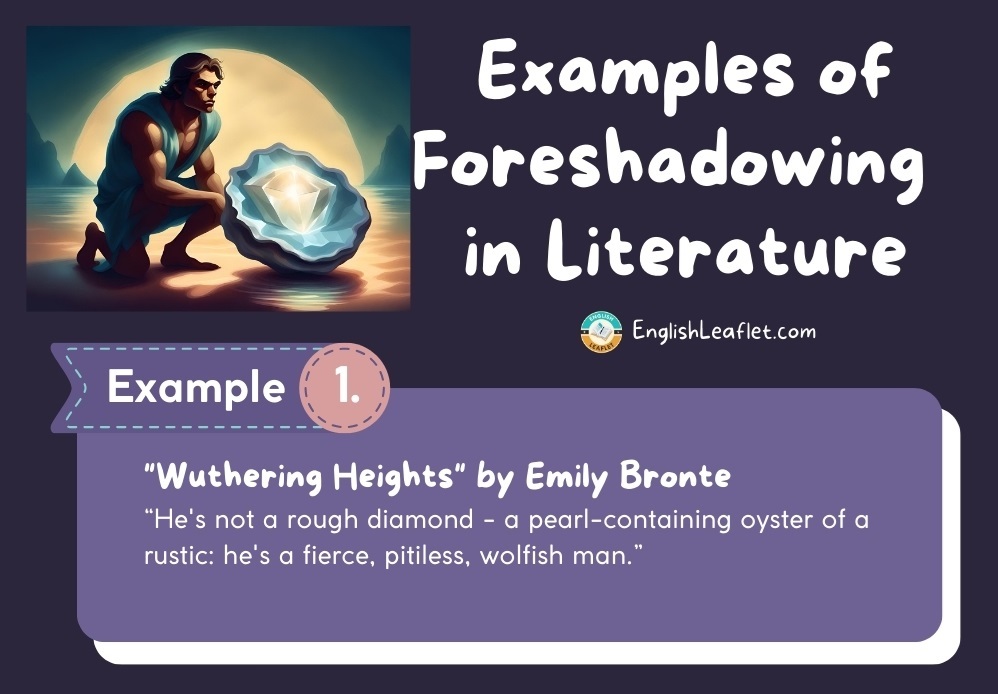
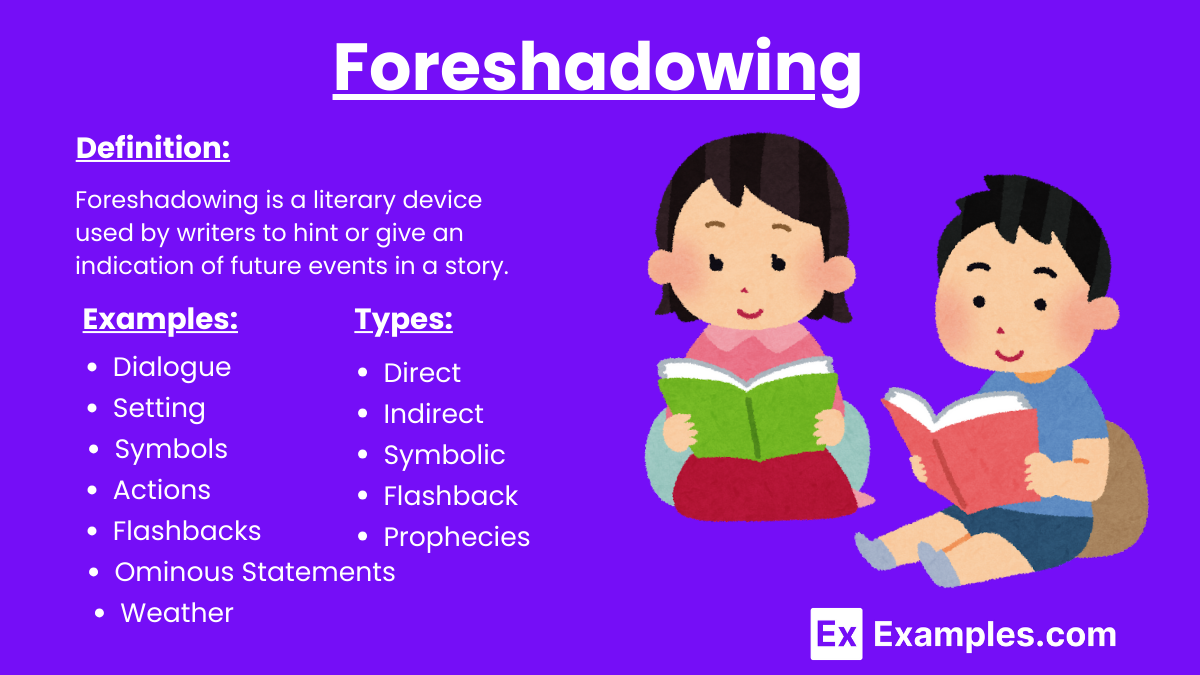
Foreshadowing is a literary device that plays a crucial role in storytelling by hinting at events that will occur later in the narrative. It serves to build anticipation and suspense, drawing readers into the story and encouraging them to continue reading to see how the foreshadowed events unfold. When used skillfully, foreshadowing can create a rich tapestry of intrigue that enhances the overall experience of the narrative.
Different types of foreshadowing can be identified in literature, each contributing to the narrative in unique ways. These include explicit foreshadowing, where clues are directly stated, and implicit foreshadowing, which involves subtle hints woven into the narrative. Additionally, there is symbolic foreshadowing, where objects or events symbolize future occurrences, and dramatic foreshadowing, where the audience is aware of impending events that the characters are not.
Understanding these types enables readers and writers alike to appreciate the depth and craft involved in storytelling.
Types of Foreshadowing
Recognizing the various types of foreshadowing can enhance the reader’s experience and provide insight into the author’s intent. Here are the main types of foreshadowing found in literature:
- Explicit Foreshadowing: This occurs when an author directly states a hint about future events. For example, in Shakespeare’s “Romeo and Juliet,” the prologue reveals the tragic fate of the titular characters.
- Implicit Foreshadowing: This type involves subtle hints that may not be immediately recognized. In “The Great Gatsby” by F. Scott Fitzgerald, the recurring motif of the green light foreshadows Gatsby’s unattainable dreams.
- Symbolic Foreshadowing: Objects or events serve as symbols that allude to future developments. In “A Tale of Two Cities” by Charles Dickens, the broken wine cask symbolizes the bloodshed that will follow during the revolution.
- Dramatic Foreshadowing: This occurs when the audience knows more than the characters, creating suspense. In “Macbeth,” Lady Macbeth’s ambition foreshadows the tragic consequences of their actions.
Classic literary works provide rich examples of foreshadowing effectively used to build suspense and intrigue. In “Of Mice and Men” by John Steinbeck, the early description of the character Lennie’s strength foreshadows later tragic events. Similarly, in “The Odyssey” by Homer, the various prophecies regarding Odysseus’ journey hint at the trials he will face, drawing readers into his epic adventure.
Each instance of foreshadowing not only enriches the narrative but also enhances the emotional journey of the characters involved.
Techniques for Implementing Foreshadowing
Foreshadowing is a powerful literary device that enriches storytelling by creating anticipation and tension. By strategically placing hints and clues within the narrative, authors can engage readers, encouraging them to ponder the unfolding events. This section delves into various methods for incorporating foreshadowing, along with strategies to maintain suspense throughout the narrative.
Incorporating Subtle Hints
To effectively implement foreshadowing, writers can utilize several techniques that embed subtle hints within the text without revealing too much too soon. These hints can be woven into dialogue, character actions, or the setting itself. By doing so, authors can build a narrative that invites readers to piece together clues while they enjoy the unfolding story.One technique involves using dialogue to convey underlying tension or future events.
Characters may make seemingly innocuous statements that hint at their motivations or potential outcomes. For example, a character might mention a past failure, which later becomes relevant as the plot progresses.Another method is to utilize environmental symbolism. Elements in the setting can serve as harbingers of future events. A storm brewing on the horizon can symbolize impending chaos, while a single wilted flower in a garden may foreshadow decay or loss.
Maintaining Suspense through Foreshadowing
Maintaining suspense while using foreshadowing requires a delicate balance between revealing enough to intrigue the reader and withholding details to sustain anticipation. One effective strategy is to introduce multiple layers of foreshadowing that can be interpreted in various ways, allowing readers to form different theories about the story’s direction.Additionally, pacing plays a crucial role in sustaining suspense. By gradually revealing clues at key moments throughout the narrative, authors can keep readers engaged and eager to discover how these hints come into play.
This method encourages them to remain vigilant, analyzing the text for potential connections between the foreshadowed elements and the plot’s climax.
Phrases and Symbols as Foreshadowing Tools
Certain phrases and symbols can serve as effective foreshadowing tools within a narrative. These elements can subtly indicate future events or themes, enhancing the depth of the story. Below is a list of examples that authors may incorporate:
-
“The calm before the storm”
-Suggests impending conflict or change.
-
“What could go wrong?”
-Implies that trouble is likely on the horizon.
-
“A shadow passed over his face”
-Represents foreboding or an omen of bad news.
-
“The ticking clock”
-Conveys urgency and the approach of a critical moment.
-
“A broken mirror”
-Signifies a fracture in reality or a foreshadowing of betrayal.
Incorporating such phrases and symbols thoughtfully can add layers of meaning to a narrative, enriching the reader’s experience and enhancing the overall intrigue and suspense.
The Balance of Foreshadowing
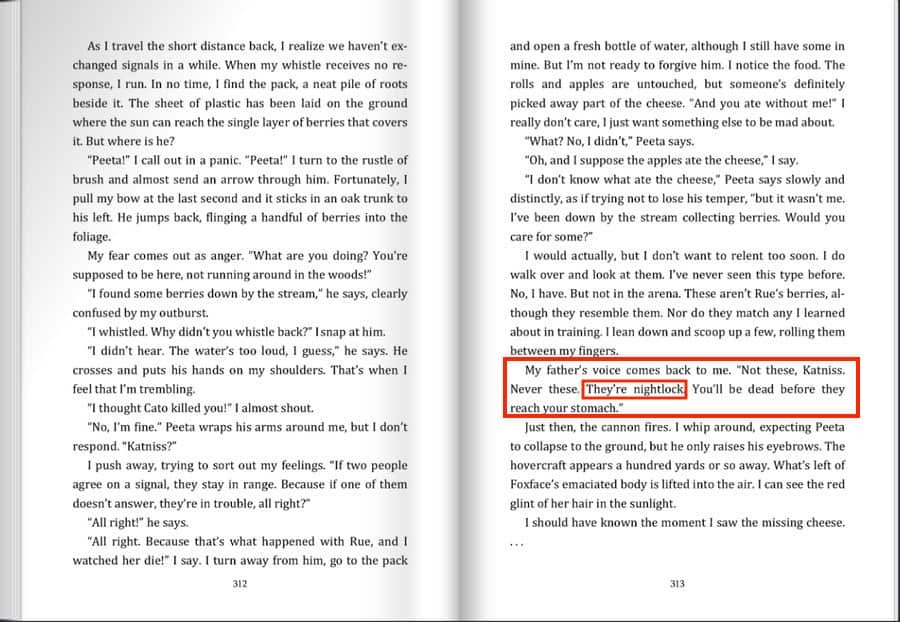
The art of foreshadowing lies in its delicate balance; when used effectively, it can heighten intrigue and suspense, but overuse can diminish its impact. Striking this balance is crucial for maintaining reader engagement without revealing too much too soon. This section will explore the importance of moderation in foreshadowing, identify common pitfalls authors may encounter, and contrast effective foreshadowing techniques with overly obvious hints.
Importance of Moderation in Foreshadowing
Excessive foreshadowing can lead to predictability, ultimately reducing the element of surprise that is essential to suspenseful storytelling. Authors must carefully consider the placement and visibility of foreshadowing elements within their narrative. When readers can easily guess outcomes based on the clues provided, the tension that foreshadowing is meant to create may be lost. This can result in a narrative that feels flat and fails to engage the audience effectively.
Common Pitfalls to Avoid in Foreshadowing
Authors should be aware of several common pitfalls that can undermine the effectiveness of foreshadowing:
- Overt Hints: When foreshadowing is too blatant, it can spoil the surprise. Subtlety is key; hints should be woven seamlessly into the narrative rather than standing out like neon signs.
- Inconsistent Clues: Foreshadowing must align with the overall plot and character development. Introducing random or unrelated hints can confuse readers and break immersion.
- Neglecting Payoff: Failing to deliver on the foreshadowed events can frustrate readers. It is essential that the conclusions drawn from foreshadowing are satisfying and logical.
- Repetitive Clues: Providing the same hint multiple times may cause readers to lose interest. Variety in foreshadowing techniques keeps the narrative fresh and engaging.
Effective Foreshadowing Versus Overly Obvious Hints
The distinction between effective foreshadowing and overly obvious hints is crucial for crafting compelling narratives. Effective foreshadowing is subtle, often requiring readers to engage deeply with the text to uncover the clues. This encourages critical thinking and enhances the overall reading experience.
“The best foreshadowing serves as a whisper, not a shout.”
Conversely, overly obvious hints can detract from the narrative’s richness. For instance, if a character frequently mentions their fear of heights before a climactic scene involving a fall from a great height, the anticipation may become stale due to its predictability. Instead, a more nuanced approach—such as a character’s unease when near a ledge or their past experiences with heights—can create suspense without revealing the outcome outright.In summary, maintaining a balanced approach to foreshadowing ensures that the reader remains captivated and engaged, eagerly anticipating the twists and turns of the story without feeling led by the nose.
By avoiding common pitfalls and employing subtle techniques, authors can effectively harness the power of foreshadowing to enhance intrigue and suspense in their narratives.
Case Studies in Foreshadowing
Foreshadowing serves as a powerful literary device that not only hints at future events but also adds layers of depth to stories. By strategically placing clues or hints throughout the narrative, authors can create a sense of anticipation, allowing readers or viewers to engage more deeply with the plot and characters. This section examines specific instances of foreshadowing in popular films and novels, demonstrating how this technique enhances storytelling.
Analysis of Foreshadowing in Popular Media
Examining the use of foreshadowing in recognized films and novels reveals the critical role it plays in shaping narratives. Below are notable examples illustrating how foreshadowing operates within these stories.
1. Shakespeare’s “Romeo and Juliet”
From the outset, the prologue reveals the tragic fate of the titular characters, setting a tone of inevitability. The references to “star-crossed lovers” foreshadow their doomed love, allowing the audience to feel the weight of their choices.
2. “The Sixth Sense”
M. Night Shyamalan masterfully uses visual cues, such as the recurring motif of red, to foreshadow moments of revelation and conflict. The subtle hints build suspense and lead to a powerful twist, enhancing the emotional impact of the film.
3. “Harry Potter and the Philosopher’s Stone”
J.K. Rowling introduces various magical elements early on, such as the mention of Voldemort and the concept of Horcruxes, which are intricately tied to the series’ overarching conflict. This foreshadowing invites readers to speculate on future events while deepening their understanding of the characters’ motivations.
4. “The Great Gatsby”
F. Scott Fitzgerald employs symbolic foreshadowing through the green light across the bay, representing Gatsby’s unattainable dreams. This motif is woven throughout the narrative, leading to poignant moments that reflect on themes of aspiration and disillusionment.
Comparison of Foreshadowing Techniques
To illustrate the diversity of foreshadowing techniques employed by various authors, the following table compares different methods and their impacts on narrative development:
| Author | Work | Technique | Impact on Narrative |
|---|---|---|---|
| William Shakespeare | Romeo and Juliet | Prologue | Sets a tone of inevitability and prepares the audience for tragedy. |
| M. Night Shyamalan | The Sixth Sense | Color Symbolism | Builds suspense and enhances the plot twist. |
| J.K. Rowling | Harry Potter and the Philosopher’s Stone | Subtle Plot Hints | Encourages reader speculation and deepens character motivation. |
| F. Scott Fitzgerald | The Great Gatsby | Symbolic Motifs | Reflects themes of aspiration and the inevitability of disillusionment. |
Foreshadowing and Character Development
Foreshadowing not only influences plot progression but also significantly enhances character development. Through careful anticipation of their eventual fates, authors can create a more profound connection between characters and readers. The following points illustrate this relationship:
Character Motivation
Foreshadowing provides insight into a character’s motivations and desires, allowing readers to understand their actions on a deeper level. For example, Gatsby’s yearning for the green light reflects his unattainable dreams and shapes his identity throughout the narrative.
Emotional Resonance
When foreshadowing hints at a character’s demise or transformation, it creates an emotional weight that resonates with the audience. The awareness of impending tragedy in “Romeo and Juliet” enhances the stakes and intensifies the reader’s emotional investment.
Thematic Development
Foreshadowing often highlights the themes of the story, helping to intertwine character arcs with broader narrative messages. The foreshadowing of betrayal in “Harry Potter” mirrors the overarching themes of loyalty and sacrifice, further enriching the narrative.
In summary, the strategic use of foreshadowing in literature and film elevates the story experience by enhancing anticipation, deepening character arcs, and emphasizing key themes, ultimately leading to a more immersive storytelling experience.
Foreshadowing Across Genres
Foreshadowing serves as a crucial narrative device that varies significantly across different genres. Its implementation can shape reader expectations, enhance the emotional impact, and create layers of meaning within a story. Understanding how foreshadowing is tailored to fit genres such as thriller, fantasy, and romance helps writers effectively build intrigue and suspense within their narratives.In thrillers, foreshadowing is integral to building tension and anticipation.
The genre often involves a complex plot, and subtle hints can lead readers to question the motivations of characters and anticipate unforeseen twists. In contrast, fantasy often employs foreshadowing to establish the rules of the fictional world and hint at the significance of certain artifacts or prophecies. Romance stories may use foreshadowing more subtly, often through character interactions and dialogue that suggest future emotional developments.
Each genre utilizes foreshadowing in unique ways, influencing the reader’s experience and engagement with the story.
Foreshadowing Techniques in Different Genres
The following are genre-specific foreshadowing techniques that illustrate how each genre uniquely approaches this narrative device:
- Thriller: In thrillers, the use of misdirection and red herrings serves as effective foreshadowing. Characters may drop hints about their hidden pasts or ulterior motives through dialogue, creating suspense. For instance, a seemingly innocuous object found early in the story may later be revealed to be a murder weapon.
- Fantasy: Foreshadowing often manifests in the form of prophecies or dreams that hint at future events. In J.K. Rowling’s “Harry Potter” series, the recurring mention of the prophecy surrounding Harry and Voldemort builds an ever-present tension regarding their eventual confrontation.
- Romance: In romantic narratives, foreshadowing can be revealed through character dynamics and relationships. For example, a character’s comment about fearing commitment may foreshadow future conflicts in a romantic relationship, prompting readers to anticipate emotional turmoil.
The selective use of foreshadowing contributes to the overall mood and thematic depth of a narrative. By embedding hints and clues appropriate to specific genres, authors can effectively engage readers and enhance storytelling.
Foreshadowing not only creates suspense but also enriches character development and plot intricacy.
Writing Exercises for Foreshadowing
Utilizing foreshadowing effectively in writing can significantly enhance the intrigue and suspense of a narrative. This section provides structured exercises aimed at encouraging the use of foreshadowing in short stories. These exercises help writers think critically about how to weave subtle hints into their narratives, enriching the reading experience.One crucial aspect of mastering foreshadowing is practicing the technique through rewriting existing scenes.
Below is a step-by-step procedure that writers can follow to incorporate foreshadowing elements into their work, making the story more engaging and layered.
Step-by-Step Procedure for Rewriting with Foreshadowing Elements
The following steps guide writers in transforming a scene to include foreshadowing. Each step is designed to enhance the writer’s ability to think strategically about the incorporation of hints that allude to future events.
- Select a Scene: Choose a pivotal scene from your short story that has significant narrative weight.
- Identify Key Events: List the important events that occur in the scene and their outcomes. Recognize what makes these events impactful.
- Determine Future Outcomes: Decide on major outcomes or twists that will occur later in the narrative. This sets the stage for the foreshadowing elements.
- Brainstorm Foreshadowing Elements: Think of subtle hints or clues that could be woven into the scene. These could include dialogue, setting details, character actions, or symbols.
- Rewrite the Scene: Incorporate the foreshadowing elements identified earlier. Ensure that they blend seamlessly with the original narrative, enhancing rather than overshadowing it.
- Review and Refine: Read through the revised scene to verify that the foreshadowing is effective. Ensure that clues are not too overt, maintaining a balance between subtlety and clarity.
Feedback is an essential part of the writing process, especially concerning foreshadowing. It allows writers to gauge whether their hints are successfully intriguing or confusing readers. Engaging in peer reviews can provide valuable insights into the effectiveness of the foreshadowing techniques used.
Importance of Feedback on Foreshadowing in Peer Reviews
Receiving constructive feedback from peers can significantly aid a writer’s understanding of how foreshadowing impacts the narrative. Feedback can reveal whether readers are able to pick up on hints without feeling manipulated, which is crucial for creating suspense.
“Effective foreshadowing provides satisfaction for the reader, as they can reflect on earlier hints and see how they connect to the story’s climax.”
Peer reviews afford writers the opportunity to understand how well their foreshadowing resonates with an audience. Feedback can help identify areas where the hints may be too subtle or overly explicit, allowing for adjustments that enhance the overall reading experience. Additionally, constructive criticism can inspire new ideas for foreshadowing techniques that might have been overlooked.
Final Wrap-Up

In conclusion, the effective use of foreshadowing can transform a simple story into a complex tapestry of intrigue and suspense. By balancing subtlety with clarity, writers can enhance their narratives, keeping readers engaged and eager to uncover the unfolding plot. Through the examples and techniques discussed, it is evident that foreshadowing not only serves as a tool for suspense but also aids in the development of characters and themes, enriching the overall storytelling experience.