Delving into How to Artikel Your Novel for a Cohesive Plot presents an essential guide for aspiring authors eager to craft compelling narratives. A well-organized Artikel serves as a roadmap, illuminating the path to a cohesive plot that captivates readers from beginning to end. By strategically planning their story, writers can enhance reader engagement and avoid common pitfalls associated with haphazard storytelling.
Outlining not only clarifies the structure of the novel but also helps in developing character arcs, crafting immersive settings, and establishing meaningful conflicts. Various methods exist to aid writers in this endeavor, allowing for personalization and adaptation to individual styles. This guide will explore the key components of effective outlining, providing insights that empower writers to bring their creative visions to life.
Understanding the Importance of Outlining
Outlining a novel is a critical step in the writing process that can significantly enhance both the experience for the writer and the reader. By creating a roadmap for the narrative, authors are equipped to craft a more structured and engaging story. A well-developed Artikel serves not only as a guide but also as a tool for refining ideas, ensuring coherence, and eliminating potential plot holes before they manifest in the final draft.The benefits of outlining a novel before writing are manifold.
One of the primary advantages is that it allows authors to visualize the overall structure of their work, which aids in maintaining consistency throughout the narrative. A cohesive plot, generated through careful outlining, fosters a deeper connection with readers, keeping them engaged from beginning to end. By understanding character arcs, themes, and key events in advance, writers can weave a narrative that feels both satisfying and complete.
Benefits of a Cohesive Plot
A cohesive plot is essential for reader engagement, as it provides a clear and compelling journey for the audience to follow. Some of the notable benefits include:
- Enhanced Reader Experience: A well-Artikeld plot helps maintain tension and pacing, ensuring that readers remain captivated by the story’s progression.
- Character Development: Outlining enables authors to develop characters in a way that aligns with the overall narrative, making their journeys more relatable and impactful.
- Resolution of Conflicts: A cohesive plot ensures that conflicts introduced early in the story are resolved in a way that feels organic and satisfying to the reader.
- Theme Reinforcement: By outlining the plot, writers can effectively weave overarching themes throughout their work, allowing for a richer reading experience.
Identifying common pitfalls of not outlining a novel is equally important, as it highlights the potential challenges writers may face. Often, writers who forgo outlining may encounter disjointed storylines, inconsistent character motivations, and unresolved plot points. This can lead to confusion for readers and a lack of satisfaction upon reaching the conclusion of the story. A lack of structure may also result in wasted time during the revision process, as substantial changes might be necessary to rectify issues that could have been anticipated and addressed in the initial outlining phase.
“An Artikel provides a framework that can lead to a more polished and cohesive narrative.”
Choosing the Right Outlining Method
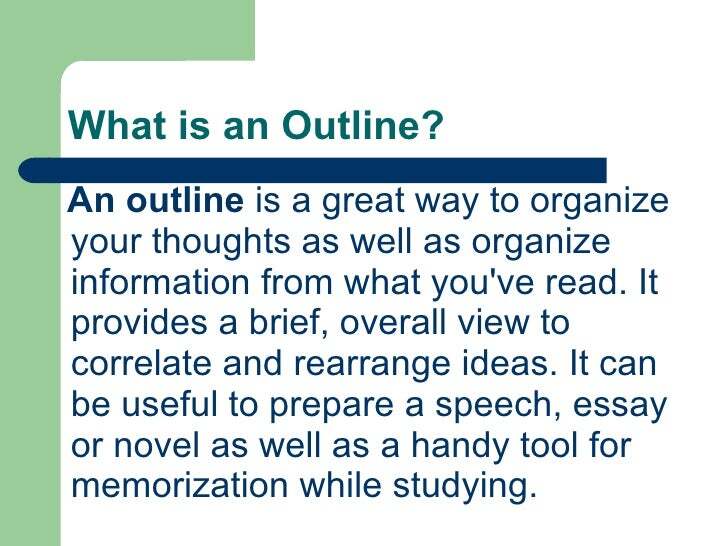
Outlining is an essential step in the novel writing process, as it allows writers to organize their thoughts and maintain narrative coherence. Different methods of outlining serve various purposes and cater to diverse writing styles. This section will explore several popular outlining techniques, consider the benefits and drawbacks of digital versus traditional methods, and highlight the advantages of using software tools for outlining.
Outlining Methods
There are several effective outlining methods that novelists can utilize to create a structured plot. Each method offers unique approaches to organizing ideas and developing story arcs.
- The Snowflake Method: This method begins with a simple premise and gradually expands it into a detailed Artikel. Writers start with a one-sentence summary of their story, building upon it through a series of increasingly complex summaries and character sketches. This technique is particularly useful for writers who prefer a step-by-step approach to story development.
- Beat Sheets: A beat sheet consists of a list of major plot points and key events that occur throughout the story. Writers can create a timeline of crucial scenes, allowing for a clear overview of the story’s progression and pacing. This method is favored by writers who thrive on visualizing the flow of their narrative.
- Index Cards: This hands-on approach involves writing individual scenes or ideas on separate index cards. Writers can then arrange and rearrange these cards to explore various plot structures and character arcs. The tactile nature of this method can be beneficial for those who prefer physical interaction with their outlining process.
Digital vs. Traditional Outlining Techniques
The choice between digital and traditional outlining techniques can significantly influence the writing experience. Each approach has its own merits and limitations.Digital outlining provides a range of advantages, including the ease of editing and reorganizing content. Writers can quickly adjust their Artikels using word processing software or specialized applications. Furthermore, digital tools often come equipped with features that aid in tracking revisions and providing templates.
Writers who appreciate convenience and technological integration may find digital outlining more appealing.Conversely, traditional outlining methods, such as pen and paper or index cards, allow for a more tactile experience. This approach can encourage creativity and reflection as writers physically manipulate their ideas. Additionally, some writers find that the act of writing by hand fosters a deeper connection to their material.
Those who prefer simplicity and focus during the outlining process might gravitate toward traditional techniques.
Advantages of Software Tools for Outlining
Utilizing software tools for outlining offers several distinct benefits that can enhance a writer’s productivity. These tools often come with features designed to streamline the outlining process and improve organization.One significant advantage is the ability to integrate multimedia elements, such as images or research notes, directly into the Artikel. This can help writers visualize their stories more effectively and create a more immersive experience.
Additionally, many outlining software options allow for real-time collaboration, which can be beneficial for writers working in teams or seeking feedback.Another benefit is the capacity for easy restructuring. Writers can effortlessly rearrange scenes or chapters within the Artikel without the hassle of rewriting entire sections. This flexibility can lead to improved story flow and coherence. Moreover, software tools often include cloud storage options, ensuring that writers can access their Artikels from various devices, fostering continuity in the writing process.In conclusion, choosing the right outlining method is crucial for developing a cohesive plot.
Writers should consider their unique preferences and strengths when selecting an outlining technique, keeping in mind the advantages offered by both traditional and digital methods. Embracing the right tools can make a significant difference in the overall writing experience.
Developing Your Main Characters
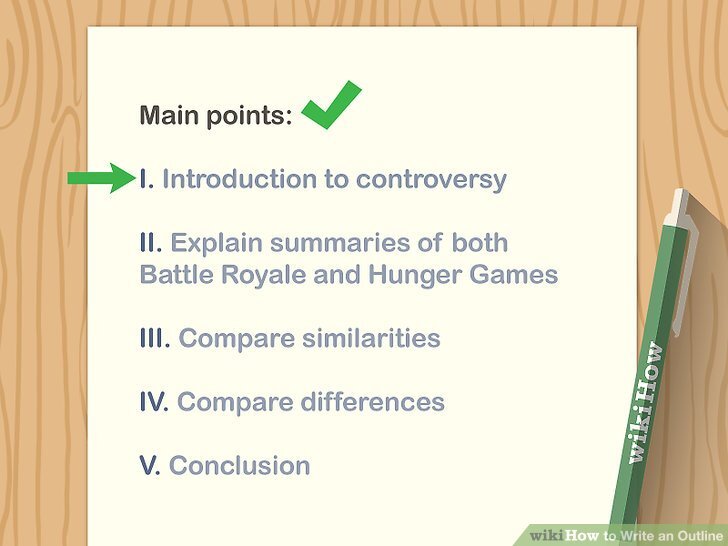
In crafting a cohesive novel, the development of main characters plays a crucial role. Characters are not merely vessels for plot progression; they must undergo transformation and growth that resonate with the narrative arc. By aligning character arcs with the plot, authors can create a more engaging and compelling story that captivates readers.To ensure that the character development supports the overall story structure, it is essential to Artikel character traits and motivations that reflect the challenges and conflicts they encounter.
This alignment not only fosters deeper emotional connections with readers but also enhances the believability of the characters’ journeys.
Creating Character Arcs
Character arcs represent the internal and external growth of a character throughout the narrative. Developing these arcs requires a clear understanding of the character’s starting point, their transformations, and the lessons they learn by the end of the story. Here are key aspects to consider in shaping character arcs:
1. Starting Point
Define where the character begins in terms of beliefs, skills, and relationships.
2. Catalyst
Identify the events that challenge the character and provoke change.
3. Struggles and Conflicts
Artikel the obstacles the character faces, both internal (self-doubt, fears) and external (antagonists, situational barriers).
4. Transformation
Specify how the character evolves, the insights they gain, and how they address their initial flaws.
5. Resolution
Determine the state of the character at the conclusion of the story, ensuring a satisfying arc that ties back to their journey.
“A well-crafted character arc not only enhances the individual character’s story but also amplifies the overall narrative impact.”
Organizing Character Traits and Motivations
To create memorable and relatable characters, it is vital to establish their traits and motivations in a manner that aligns with the story structure. Character traits should inform their decisions and reactions to events in the story. Here’s how to effectively organize this information:
Character Profile Template
Name
Age
Occupation
Key Traits (e.g., brave, impulsive, intelligent)
Motivations (e.g., love, revenge, redemption)
Backstory (relevant history that influences current behavior)
Goals (what they aim to achieve throughout the story)
Obstacles (internal and external challenges they face)
Character Arc Summary (how they change from beginning to end)
This template serves as a foundational tool for authors, providing a clear structure for character development that aligns with the plot.
Templates for Character Development
Utilizing templates can streamline the process of character development, allowing writers to focus on creating rich, multidimensional characters. Below are two examples of templates that can aid in cohesive plotting:
1. Character Arc Worksheet
Character Name
Initial State (beliefs, flaws)
Inciting Incident (event that propels change)
Key Decision Points (crucial choices that shape their path)
Final Transformation (how they are changed by the story’s end)
2. Motivations and Conflicts Chart
Character Name
Core Motivation (what drives them)
Conflict Types (internal, external)
Resolution Strategy (how they plan to overcome conflicts)
Outcome (result of their journey)
These templates not only provide clarity for the author but also ensure that character development is intricately tied to the unfolding plot, leading to a more engaging reading experience.
Structuring Your Plot
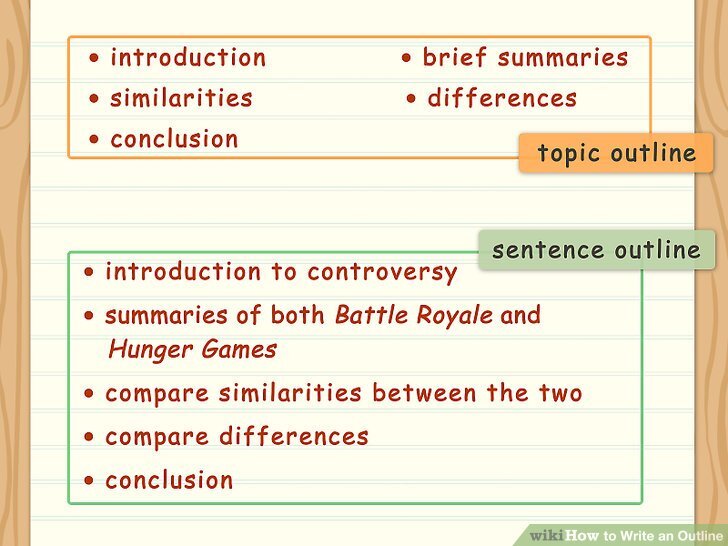
A well-structured plot is essential for creating a compelling narrative that captivates readers from beginning to end. Structuring your plot helps to ensure that the story unfolds in a logical manner, maintaining tension and interest throughout. The three-act structure is one of the most widely used frameworks in storytelling, providing a clear blueprint for your novel. This section will explore the components of the three-act structure, key plot events, and the significance of subplots in enriching the main narrative.
Three-Act Structure Components
The three-act structure is a time-tested method that divides a story into three distinct sections: setup, confrontation, and resolution. Each act serves a specific purpose and contains critical plot points that propel the narrative forward.
- Act One – Setup: This act introduces the main characters, setting, and the central conflict. It establishes the stakes and the protagonist’s goals while also presenting the inciting incident that disrupts the status quo.
- Act Two – Confrontation: This act is characterized by rising action, where the protagonist faces a series of obstacles that complicate their journey. It culminates in the climax, the turning point of the story, where the protagonist confronts the main conflict head-on.
- Act Three – Resolution: The final act resolves the central conflict and subplots, providing closure for character arcs and themes. It often includes a denouement, where the aftermath of events is explored, leaving readers with a sense of completion.
Key Plot Events and Their Interconnections
Key plot events serve as the building blocks of your story, creating a chain of cause and effect that keeps the narrative flowing. Each event should naturally lead to the next, building tension and engagement. The interconnections between these events can be illustrated through a plot diagram, showing how decisions, actions, and revelations impact the characters’ journeys.
“Every action in your plot should have a purpose and consequence that drives the story forward.”
For instance, if a protagonist makes a crucial decision in Act One, this decision should lead to complications in Act Two, ultimately affecting the resolution in Act Three. This interconnectedness ensures that the plot remains cohesive and engaging.
Significance of Subplots
Subplots are essential in adding depth to the main story and enhancing character development. They provide opportunities to explore themes and relationships that may not be addressed directly in the primary plot line. A well-integrated subplot can enrich the narrative by offering additional stakes or perspectives that resonate with the main conflict.To illustrate the significance of subplots, consider the following points:
- They can mirror or contrast the main plot, highlighting themes and character motivations.
- Subplots can create emotional stakes, allowing readers to connect with characters on a deeper level.
- They provide a break from the main storyline, adding variety and pacing to the narrative.
- Subplots can lead to unexpected twists and resolutions, keeping readers engaged and surprised.
Incorporating subplots effectively requires careful planning to ensure they align with the main narrative and enhance, rather than detract from, the central story. By understanding the importance of structuring your plot, you can create a cohesive and engaging novel that resonates with your readers.
Crafting a Compelling Setting
Creating a captivating setting is essential to enriching your novel’s plot and enhancing the reader’s experience. A well-developed setting operates not only as a backdrop for your characters’ actions but also influences their decisions and the overall narrative flow. By immersing readers in a vivid world, writers can evoke emotions, establish atmosphere, and provide context for character interactions.A compelling setting can be developed through several methods that align with and enhance the plot.
It is vital to establish the geographical, historical, and cultural aspects of your story’s world, as these elements work together to create a cohesive environment. Additionally, sensory details can be leveraged to immerse readers fully in the story, allowing them to visualize and experience the setting in a tangible way.
Methods to Develop Settings that Enhance the Plot
Incorporating various techniques to flesh out your setting can significantly enrich your narrative. Here are several effective methods to consider:
- Research and Inspiration: Conduct research relevant to your setting, whether it be historical, cultural, or geographical. For instance, if setting your novel in Victorian London, studying the era’s social issues, fashion, and architecture can provide authentic details that enhance the plot.
- Integrating Setting with Plot: Ensure that the setting plays an active role in the plot development. For example, a small-town setting may limit characters’ choices, creating tension and conflict as they navigate their desires versus their environment.
- Utilizing Symbolism: Consider using elements of the setting as symbols that reflect character emotions or themes. A decaying mansion can symbolize lost hope or abandonment, influencing characters’ decisions and actions throughout the story.
- Building a Unique Atmosphere: Create a distinct atmosphere that resonates with the story’s tone. A dark, rainy landscape can enhance feelings of dread in a horror novel, while a sunlit meadow can evoke joy and peace in a romance.
Influence of Different Settings on Character Decisions
The setting plays a crucial role in shaping character motivations and decisions. For example, a character’s upbringing in a bustling city may instill a sense of ambition and urgency, influencing their choices when faced with opportunities. Conversely, a character raised in a serene rural environment may approach conflict with caution, reflecting the tranquility of their surroundings.Consider the example of an aspiring artist in a vibrant art district.
The eclectic mix of styles and cultures can inspire creativity and bold decisions, drastically shaping their identity and pursuits. On the other hand, a character living in a conservative town may feel restricted, leading to internal conflicts and a struggle for self-expression.
Development of Sensory Details to Immerse Readers
Sensory details are paramount in crafting a compelling setting that engages readers’ imaginations. By appealing to the five senses—sight, sound, taste, touch, and smell—you can create a vivid and immersive world. Here are some strategies to incorporate sensory details effectively:
- Descriptive Language: Use descriptive and evocative language to paint a clear picture of your setting. For example, instead of simply stating “the forest was quiet,” elaborate by describing “the hushed whispers of leaves swaying in the cool breeze, the faint rustle of a distant creature, and the earthy scent of damp moss filling the air.”
- Physical Interactions: Show how characters physically interact with their environment. A character touching the rough bark of a tree or tasting a local delicacy can lend authenticity and depth to the setting.
- Emotional Resonance: Tie sensory details to characters’ emotions to enhance relatability. Describing a character’s anxiety through the smell of rain or the sound of thunder can create a strong atmospheric connection.
Creating Conflict and Resolution
Conflict is the lifeblood of any narrative, serving to propel the story forward and engage readers on a deeper level. In this segment, we will delve into the various types of conflict that can drive your plot, explore potential resolutions to these conflicts, and discuss strategies to escalate tension throughout your story for maximum impact.
Types of Conflict
In narrative fiction, conflict can generally be categorized into several essential types, each contributing uniquely to the overall development of the plot. Understanding these conflicts allows authors to create richer, more engaging stories.
- Internal Conflict: This arises within a character, often manifesting as a struggle with personal beliefs, emotions, or desires. For instance, a protagonist might grapple with guilt over a past mistake while trying to pursue a new goal.
- External Conflict: This type involves struggles between characters and outside forces, such as other characters, society, nature, or technology. A classic example is the conflict between a hero and a villain, where the hero must overcome the villain’s antagonistic actions.
- Character vs. Character: This specific form of external conflict pits one character against another, highlighting their differences in motivations and values. For example, two siblings might be in direct opposition over a family inheritance.
- Character vs. Society: In this conflict, a character faces opposition from societal norms or cultural expectations. A protagonist might challenge societal conventions regarding gender roles or traditions.
- Character vs. Nature: This conflict involves characters facing natural disasters or the raw power of the environment. A story about survival in the wilderness often exemplifies this type.
- Character vs. Technology: In our increasingly digital world, this conflict arises when characters confront technology that can either help or hinder their goals. A narrative could focus on a character’s struggle against an oppressive surveillance system.
Potential Resolutions to Conflicts
Identifying potential resolutions to the conflicts established in your plot is crucial for providing a satisfying narrative arc. Resolutions can vary widely, depending on the nature of the conflict and the growth of the characters involved.
- Reconciliation: Characters can resolve their differences through understanding and compromise, allowing for personal growth and unity.
- Defeat or Victory: The resolution may come in the form of one party overcoming another, leading to victory for the protagonist, or in some cases, a poignant defeat.
- Acceptance: Characters may learn to accept their circumstances or the limitations imposed by society or nature, resulting in a more profound emotional resolution.
- Change of Heart: A character’s transformation can lead to a resolution where they alter their beliefs or actions, positively affecting the outcome of the conflict.
- Tragic Outcome: Not all stories have happy endings; sometimes, conflicts resolve in tragic ways, leaving characters irrevocably changed or lost.
Escalating Tension
To maintain reader engagement, it is essential to escalate tension throughout the story effectively. Tension is built through a series of situations that complicate the narrative and raise stakes for the characters.
- Raising Stakes: Introduce new challenges or obstacles that increase the risk for the protagonist, making their goals seem more difficult to attain.
- Creating Time Constraints: Instilling a sense of urgency can heighten tension, such as a countdown to an impending disaster or a deadline for achieving a significant goal.
- Layering Conflicts: Weave multiple conflicts together, so that as one is resolved, another takes its place, keeping readers invested in the outcome.
- Introducing Unexpected Twists: Surprise characters and readers alike with unforeseen events that disrupt the narrative flow and force characters to adapt.
- Internal vs. External Challenges: Balance the internal struggles of characters with external conflicts, driving a wedge between their desires and situations, thus escalating emotional stakes.
“Conflict is not just an obstacle; it is the engine that drives the narrative forward, creating engagement and emotional investment in the characters’ journeys.”
Revising Your Novel
Revising your novel is a critical step in the writing process that enhances cohesion and clarity throughout your narrative. This stage allows writers to refine their plots, characters, and settings, ensuring that all elements work together seamlessly to deliver a compelling story. By employing effective revision techniques, writers can transform their drafts into polished manuscripts ready for publication.During the revision process, it is essential to identify areas that may disrupt the flow of the narrative.
Cohesion can be improved by focusing on continuity in character development, plot progression, and thematic consistency. Below are techniques that can guide you through the revising phase to strengthen your manuscript.
Techniques for Improving Cohesion
To enhance cohesion within your novel, consider implementing the following techniques:
- Read Aloud: Hearing your text can reveal awkward phrasing and disjointed passages that may not be apparent when reading silently.
- Check Character Arcs: Ensure that character development remains consistent with their actions and growth throughout the story.
- Review Plot Points: Assess whether each plot point logically follows the previous one, strengthening the narrative thread.
- Maintain Thematic Integrity: Revisit the themes you wish to convey and ensure that all scenes support these ideas, enhancing the overall message.
In addition to improving cohesion, incorporating feedback from beta readers is crucial for a successful revision process. Their fresh perspectives can uncover areas for improvement that may have gone unnoticed during self-revisions.
Incorporating Feedback from Beta Readers
When you receive feedback from beta readers, it is important to approach it systematically to make the most of their insights. Consider the following steps:
- Organize Feedback: Collect all feedback in a centralized document to identify common themes and suggestions.
- Prioritize Suggestions: Determine which feedback aligns with your vision for the story, and prioritize these for revision.
- Make Changes Thoughtfully: Implement revisions based on feedback while maintaining your unique voice and narrative style.
- Follow Up with Readers: After making revisions, consider sharing updated chapters with your beta readers to gauge their thoughts on the changes.
Revisions can significantly enhance the narrative strength of your novel. Real-world examples illustrate how revising a manuscript can lead to a more engaging story. For instance, J.K. Rowling’s “Harry Potter and the Philosopher’s Stone” underwent multiple revisions, during which Rowling refined character details and plot elements, ultimately creating a richer, more immersive world. Similarly, the novel “The Great Gatsby” by F.
Scott Fitzgerald was revised numerous times, contributing to its iconic status and the seamless integration of complex themes such as the American Dream.By embracing the revision process and valuing feedback, writers can create cohesive and compelling narratives that resonate with readers.
Maintaining Flexibility During the Writing Process
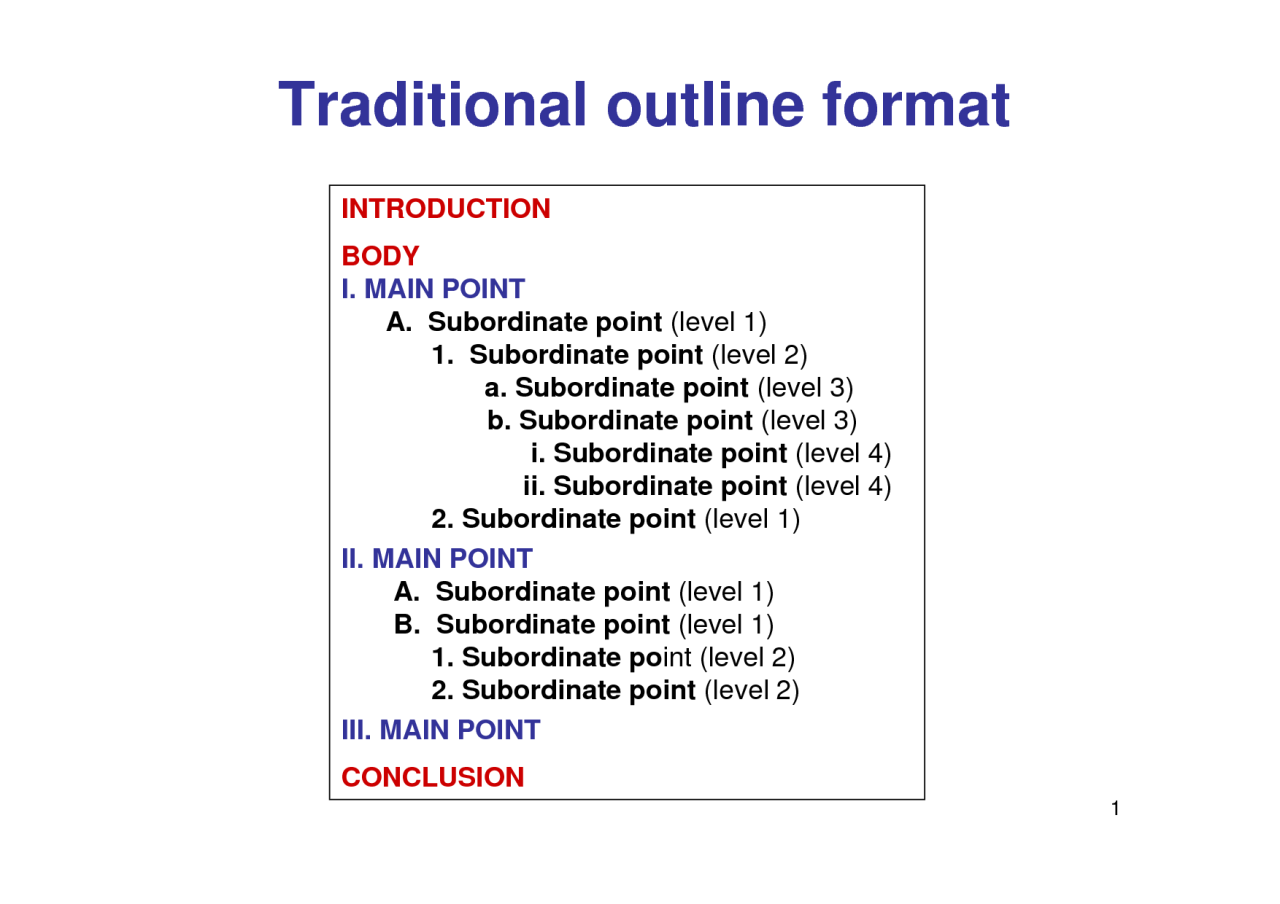
During the writing process, maintaining flexibility is crucial for adapting your narrative as it unfolds. While having a structured Artikel provides a roadmap, being too rigid can stifle creativity and prevent organic growth of the story. As a writer, you must be open to change and allow your characters and plot to evolve naturally, which may lead to unexpected yet enriching developments.An essential aspect of writing is the ability to adapt the narrative as new ideas and insights arise.
The process of storytelling is dynamic; characters may take on lives of their own, and plot points may shift as the story progresses. Embracing this fluidity can lead to a more authentic and engaging narrative. It is important to balance the structure of your Artikel with the freedom to explore new creative avenues. This balance allows for the incorporation of fresh ideas, which can enhance the depth and quality of your novel.
Strategies for Balancing Structure with Creative Freedom
To effectively maintain flexibility while adhering to your Artikel, consider the following strategies:
1. Regular Reflection
Periodically stepping back from your writing to evaluate the direction of your story can help you identify areas where flexibility is necessary. Reflecting on your characters’ motivations and the unfolding plot can illuminate new pathways.
2. Character Development
Allow your characters to drive the story. If a character behaves unexpectedly, consider reshaping the plot to accommodate this new direction. This can lead to richer character arcs and a more compelling narrative.
3. Open-Ended Artikels
Instead of rigidly adhering to your initial Artikel, create an Artikel that allows for several potential outcomes. This approach enables you to explore different possibilities without feeling confined by a predetermined structure.
4. Writing Prompts and Exercises
Engage in writing exercises that encourage spontaneity, such as free writing or character dialogues. These activities can spark new ideas and help integrate them into your existing framework.
5. Feedback Incorporation
Share your work with trusted peers or writing groups. Their insights may reveal aspects of your story that could benefit from change, prompting you to adjust your narrative while maintaining overall cohesion.Successful authors often exhibit this flexibility during their writing processes. For instance, J.K. Rowling’s “Harry Potter” series evolved significantly from her initial Artikels. Characters like Severus Snape developed layers and complexities that were not apparent in early drafts, enriching the story in unexpected ways.
Similarly, George R.R. Martin’s “A Song of Ice and Fire” reflects an ever-evolving plot, where character decisions and unforeseen events shape the unfolding narrative, demonstrating the power of adaptability in storytelling.
“All stories are about conflict. It’s the resolution that matters most.” – Unknown
Last Point
In summary, mastering the art of outlining is a pivotal step in ensuring that your novel resonates with readers and maintains a cohesive plot throughout its entirety. By embracing the Artikeld strategies, including character development, plot structuring, and conflict resolution, writers can navigate the complexities of storytelling with confidence. Ultimately, a well-crafted Artikel not only enriches the writing process but also enhances the overall narrative, making for a more engaging literary experience.