How to Create a “Villain” as Your Protagonist sets the stage for this enthralling narrative, offering readers a glimpse into a story that is rich in detail and brimming with originality from the outset. The concept of a villain protagonist captivates audiences by challenging traditional storytelling norms and inviting them to explore the complexities of morality. Through compelling character development, moral ambiguity, and engaging narrative techniques, writers can craft a protagonist whose flawed nature resonates deeply with readers.
This exploration delves into the essential components of character creation, from understanding the appeal of villain protagonists in literature and film to integrating their nuanced traits into a cohesive plot. By examining successful examples and employing various techniques, writers can create characters that evoke empathy and spark intrigue, making the villain protagonist a compelling centerpiece of their storytelling.
Understanding the Concept of a Villain Protagonist
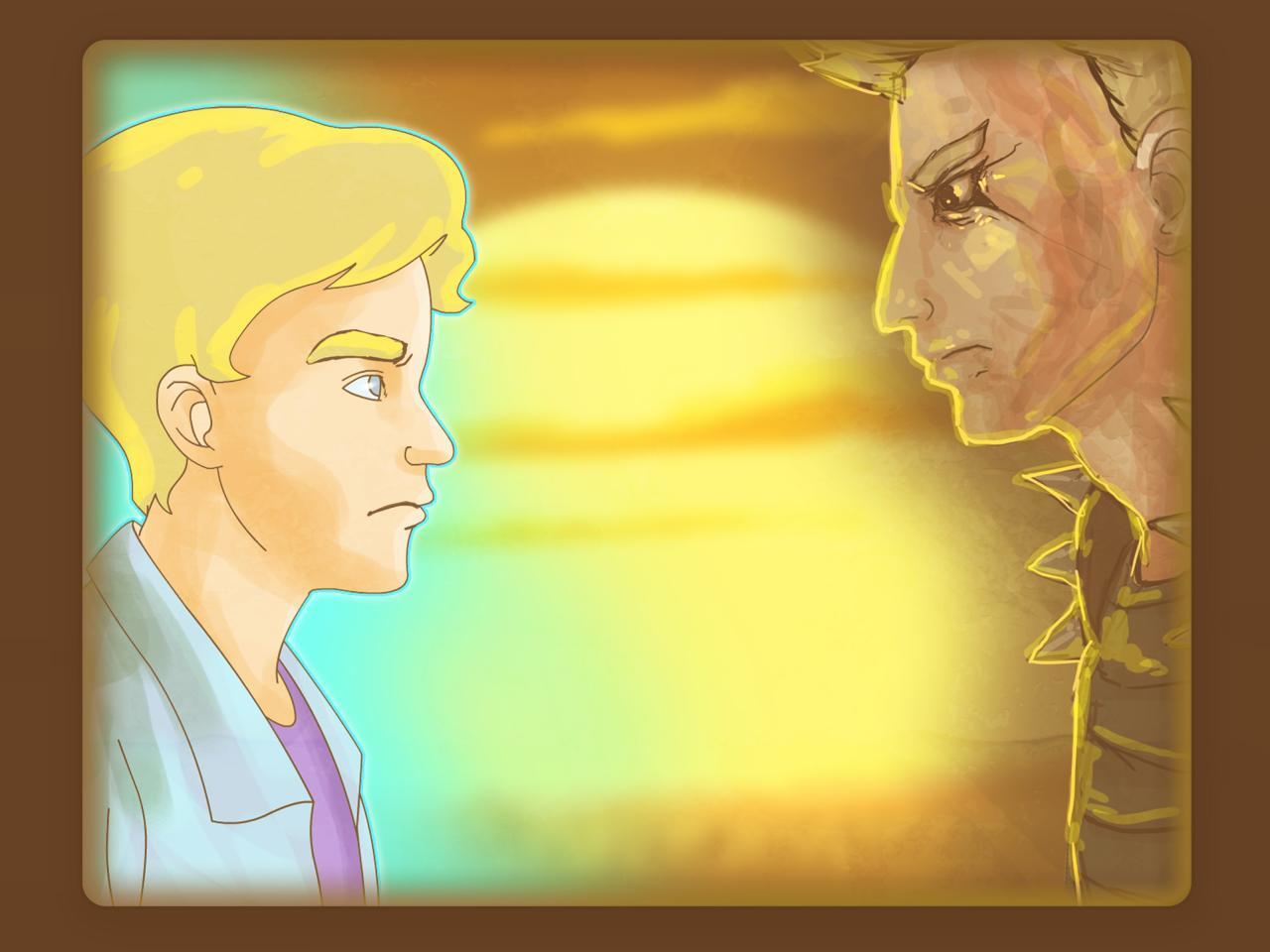
The villain protagonist, a character who embodies traits typically associated with antagonism, offers a unique perspective in storytelling. This character type often challenges conventional moral standards and invites readers or viewers to explore the complexities of human nature. The appeal lies in their ability to provoke thought about morality, ethics, and the motivations behind their actions.Successful examples of villain protagonists can be found in both literature and film.
Characters such as Walter White from “Breaking Bad,” who transforms from a mild-mannered chemistry teacher to a drug kingpin, and Anton Chigurh from “No Country for Old Men,” who embodies a philosophical approach to violence, demonstrate how these figures can captivate audiences. Their journeys often reveal the fragile border between good and evil, encouraging viewers to empathize with their motives, despite their dubious choices.
Common Traits of Relatable Villain Protagonists
Villain protagonists often possess certain characteristics that resonate with audiences, making them relatable rather than purely malevolent. Understanding these traits can enhance the depiction of such characters in storytelling. Key traits include:
- Complexity: These characters often have rich backstories that explain their motivations, making them more nuanced and understandable.
- Charisma: A compelling presence often draws audiences in, facilitating a connection that can overshadow their immoral actions.
- Flawed Humanity: Villain protagonists typically exhibit human emotions and vulnerabilities, allowing audiences to empathize with their struggles.
- Justifiable Motivations: Many villain protagonists pursue goals that, while morally questionable, stem from a place of desperation or a desire for justice, enabling audience sympathy.
- Conflict: Internal conflicts within these characters often mirror those experienced by the audience, highlighting their struggles with morality and ethical decisions.
Incorporating these traits can create a more engaging and thought-provoking narrative that invites audiences to reflect on their own beliefs and values.
Character Development Techniques
Creating a compelling villain protagonist requires a nuanced approach to character development. By crafting a rich backstory, balancing flaws and virtues, and understanding the psychological motivations behind their actions, writers can build multifaceted characters that resonate with audiences. This section highlights essential techniques for developing a villain protagonist who is both engaging and relatable.
Creating a Compelling Backstory
A well-developed backstory is crucial in establishing the motives and personality of a villain protagonist. It provides context for their actions and allows readers to empathize with their struggles. Here are key techniques for crafting an effective backstory:
Traumatic Experiences
Explore significant events in the character’s past that shaped their worldview, such as loss, betrayal, or abuse. These experiences can create motivation for their villainous behavior.
Family Dynamics
Delve into the character’s relationships with family members. A complicated family life, such as parental neglect or unrealistic expectations, can drive a character toward villainy as a response to feeling unloved or misunderstood.
Societal Influences
Reflect on the societal or cultural factors that may have influenced the character’s development. An environment that promotes competition, survival, or corruption can cultivate a villainous mindset.
Personal Aspirations
Consider the character’s goals and ambitions. A desire for power, wealth, or recognition can lead to morally questionable decisions, making them a villain protagonist.
“A villain’s backstory is not just a history lesson; it is the foundation of their motivations and choices.”
Balancing Flaws and Virtues
To create depth in a villain protagonist, it is essential to balance their flaws and virtues. This complexity makes them relatable and intriguing. Key considerations include:
Defining Flaws
Identify specific flaws that drive the character’s negative actions. These could include arrogance, jealousy, or a disregard for authority. Flaws make the character human and relatable.
Highlighting Virtues
Even villains can possess admirable traits, such as loyalty, intelligence, or a strong sense of justice—albeit misdirected. Showcasing these virtues can create internal conflict and make readers question their motivations.
Creating Internal Conflict
Explore the tension between their flaws and virtues. For instance, a character may struggle with their desire for power while feeling guilt over the harm they cause. This conflict adds complexity and engages the audience.
Realistic Growth
Allow for character growth or regression over time. A villain protagonist might experience moments of redemption or deeper descent into villainy based on their choices, reflecting the reality of human nature.
Psychological Motivations
Understanding the psychological motivations that drive a villain protagonist can provide insight into their actions and choices. Here is a list of common motivations:
Desire for Control
Many villain protagonists act out of a need to dominate their environment and exert power over others.
Fear of Abandonment
Past experiences leading to feelings of abandonment can cause a character to act destructively to ensure they are never left alone again.
Revenge
A desire for vengeance against those who wronged them can fuel a villain’s actions, providing a clear, relatable goal.
Ideological Beliefs
Villain protagonists may adhere to extreme beliefs that justify their actions, making them feel righteous in their cause.
Insecurity and Low Self-Esteem
Deep-seated feelings of inadequacy can manifest as villainous behavior, as the character attempts to prove their worth through nefarious means.
Lust for Power
An insatiable hunger for authority and influence can drive characters to commit heinous acts in the pursuit of their ambitions.
“Understanding a villain’s psychological motivations transforms them from mere antagonists into complex characters.”
Crafting Moral Ambiguity

Moral ambiguity plays a crucial role in developing a villain protagonist, as it allows for a nuanced exploration of their character and actions. By crafting a journey filled with ethical dilemmas, writers can engage readers and provoke thought regarding the nature of good and evil. This complexity not only makes the character more relatable but also invites readers to reflect on their own values and moral positions.To weave moral ambiguity into a character’s journey, it is essential to present a series of conflicting choices that challenge the protagonist’s ethical beliefs.
The portrayal of these decisions as both right and wrong fosters a multifaceted understanding of the character. For instance, a character may choose to steal food to feed their starving family, which raises questions about the morality of theft in desperate circumstances. This duality encourages readers to empathize with the protagonist’s plight while grappling with the implications of their actions.
Presenting Ethical Conflicts
Creating scenarios where the protagonist must face ethical dilemmas is vital for illustrating moral ambiguity. These conflicts should be both relatable and thought-provoking, allowing readers to see the complexities of the protagonist’s decisions. Consider the following strategies in crafting these conflicts:
- Utilize high stakes: Present choices that have significant consequences not only for the protagonist but also for others, emphasizing the weight of their decisions.
- Introduce morally gray characters: Surround the villain protagonist with other characters who embody different aspects of morality, which can enhance the complexity of the protagonist’s choices.
- Show the consequences of actions: Highlight the repercussions that follow the protagonist’s decisions, illustrating how their choices can lead to positive or negative outcomes, thus reinforcing moral ambiguity.
By employing these strategies, writers can effectively create a landscape filled with ethical conflicts, compelling the reader to engage with the dual nature of the protagonist’s choices.
Evoking Sympathy for the Villain Protagonist
Even when the protagonist engages in morally questionable actions, it is possible to evoke sympathy for their circumstances. To achieve this, consider the following techniques:
- Provide a compelling backstory: Share the protagonist’s history and the experiences that led them to their current state, fostering empathy and understanding for their motivations.
- Illustrate vulnerability: Showcase moments of doubt, fear, or weakness that humanize the protagonist, allowing readers to see their struggles beyond their villainous actions.
- Introduce redeemable qualities: Highlight traits such as loyalty, love, or a sense of justice that resonate with readers, suggesting that there is still good within the character despite their flaws.
Incorporating these elements enables readers to form a connection with the villain protagonist, prompting them to reflect on the shades of gray that exist within human nature and morality.
Plot Integration
Integrating a villain protagonist into the plot structure requires a careful balance of character motivations and overarching narrative themes. The integration process is essential as it shapes the reader’s perception and attachment to the protagonist, despite their morally ambiguous actions. By embedding the villain’s journey within the plot, authors can create a compelling story that keeps readers engaged in the complexities of the character’s choices.To effectively weave a villain protagonist into the plot, one must consider various plot devices that can underscore their villainy.
These devices not only enhance the narrative but also highlight the moral complexities within the character’s actions. Noteworthy techniques include:
Examples of Plot Devices
Using strategic plot devices can illuminate the villain protagonist’s motivations and ethical dilemmas. The following devices are particularly effective:
- Flashbacks: Flashbacks can provide background on the protagonist’s motivations, revealing formative experiences that contributed to their villainous traits. For instance, a character may flashback to a traumatic event that justified their ruthless behavior.
- Foreshadowing: Subtle hints about the protagonist’s darker inclinations can build tension and anticipation. For example, early dialogue may suggest the protagonist’s willingness to betray allies for personal gain, preparing readers for future betrayals.
- Antagonist Relationships: The protagonist’s interactions with other antagonistic forces can showcase their villainy. A villain protagonist may form uneasy alliances with other morally dubious characters, creating conflict that tests their loyalty and ethical boundaries.
- Consequences of Actions: Illustrating the negative repercussions of the protagonist’s choices can create dramatic tension. When their decisions lead to suffering or chaos, it forces readers to grapple with the morality of the character’s path.
Conflict is a cornerstone of any story, especially when revolving around a villain protagonist’s decisions. The internal and external conflicts generated by their choices can drive the narrative forward and deepen character development.
Creating Conflict Around Decisions
Conflict can arise both from the protagonist’s actions and their interactions with other characters. Critical elements include:
- Internal Conflict: The protagonist may struggle with guilty feelings or conflicting desires about their actions, leading to moments of introspection that enrich the narrative. This could manifest as doubt when they consider the ramifications of their villainous plans.
- External Conflict: The decisions made by the villain protagonist often set off a chain reaction of events involving other characters. For instance, a character’s choice to betray a friend for power can lead to revenge from that friend, creating a multi-layered conflict.
- Moral Dilemmas: Presenting the protagonist with choices that challenge their ethical boundaries generates tension and can evoke sympathy from the audience. A villain protagonist might face a situation where they must sacrifice something dear to them to achieve their goals, intensifying the emotional stakes.
- Consequences of Conflict: Each decision by the villain protagonist should have tangible consequences, both immediate and long-term, affecting not only their journey but also the lives of others. The fallout from their actions can further complicate their narrative arc and lead to surprising developments.
Audience Engagement
Engaging the audience’s emotions is crucial when crafting a villain protagonist. This character’s journey can evoke a spectrum of feelings, from empathy to disdain, which deepens the reader’s investment in the story. By skillfully portraying the complexities of the villain, writers can create an emotional connection that captivates the audience and enhances their engagement with the narrative.To foster an emotional response, it is essential to present the villain protagonist with relatable motivations and vulnerabilities.
This can be achieved through backstory and character development techniques that reveal the circumstances that shaped their moral compass. Additionally, intertwining moments of vulnerability allows the audience to see the human side of the villain, making it easier to empathize with their struggles.
Creating Suspense and Unpredictability
Building suspense and unpredictability around a villain protagonist is vital for maintaining reader interest. Engaging the audience with unexpected twists keeps them on the edge of their seats, eager to discover the character’s next move. Here are some strategies to enhance suspense:
- Foreshadowing: Subtly hinting at future events or decisions can create a sense of anticipation. By planting clues in the narrative, readers can feel an underlying tension that heightens their curiosity.
- Complex Decision-Making: Allow the villain protagonist to face morally challenging choices that could lead to various outcomes. Each decision can carry significant consequences, keeping the audience guessing about the character’s path.
- Shifting Alliances: Introduce characters whose loyalties are uncertain. This uncertainty can create tension and unpredictability in the villain’s actions, as alliances may shift, leading to unexpected plot developments.
- Unreliable Narration: Employing an unreliable narrator can add layers of intrigue. The protagonist’s interpretation of events may differ from reality, leaving readers questioning their motives and the truth behind their actions.
Themes of Redemption or Downfall
The themes of redemption and downfall resonate profoundly with audiences, particularly when associated with a villain protagonist. These themes can drive character arcs and create emotional stakes that enhance engagement. Techniques for incorporating these themes include:
- Moments of Self-Reflection: Allow the villain protagonist to experience moments of introspection where they confront their past actions. This can spark a desire for redemption, drawing the audience into their internal struggle.
- Influential Relationships: Introduce relationships that challenge the villain’s worldview. A pivotal character, such as a mentor or a victim, can act as a catalyst for change, prompting the villain to reconsider their choices.
- Consequences of Actions: Show the ramifications of the villain’s choices, whether they lead to personal loss or societal chaos. This creates a stark contrast between moments of triumph and the inevitability of downfall.
- Climactic Resolution: Design a climax where the protagonist must face the ultimate consequences of their actions. This confrontation can lead to a redemptive act or a tragic downfall, solidifying the audience’s connection to the character’s journey.
Dialogue and Interaction
Creating authentic dialogue for a villain protagonist is crucial in capturing their complex nature and moral struggles. The way they communicate can serve as a window into their personality, motivations, and conflicts. Effective dialogue not only reflects the protagonist’s character but also engages the audience, making the interactions memorable and impactful.The dialogue of a villain protagonist should be layered, revealing their inner turmoil while providing insight into their relationships with other characters.
This complexity can be showcased through their tone, word choice, and the dynamics of their interactions.
Writing Authentic Dialogue
To convey the villain protagonist’s personality effectively, consider the following techniques that highlight their distinctive traits and moral dilemmas:
- Use Distinctive Voice: Give your villain a unique speech pattern or vocabulary that sets them apart. For instance, a villain who prides themselves on their intelligence might use sophisticated language or sarcasm, while one who revels in chaos might prefer fragmented or erratic speech.
- Incorporate Subtext: Dialogue is often more powerful when it implies rather than states outright. For example, a villain might make a seemingly casual remark that alludes to their hidden motives, creating an air of tension and ambiguity.
- Contrast with Other Characters: Interactions with other characters can illuminate the protagonist’s complexity. For example, a villain may display kindness towards a loved one while being ruthless towards an enemy, demonstrating conflicting moral codes through their dialogue.
- Evoking Empathy: A villain protagonist may express vulnerability or fear, allowing the audience to connect with their struggles. Phrases that reveal their doubts or regrets can humanize them and create a relatable character arc.
Examples of Complex Interactions
Character interactions that highlight the moral struggles of a villain protagonist can provide depth to the narrative. These interactions should reveal internal conflicts and motivations through dialogue. Consider the following scenarios:
- A villain protagonist discussing their plans with a trusted ally might reveal their rationale for their actions, showcasing their belief in a greater good, despite the harm caused. For instance, “I know what we’re doing is wrong, but sometimes, sacrifices must be made for the vision.” This statement illustrates their justification while hinting at their internal conflict.
- In a confrontation with a rival, the villain might display their darker side while simultaneously expressing a longing for acceptance or understanding. A line such as, “You think I chose this path? I had no choice. They left me no choice,” conveys both aggression and vulnerability, encapsulating their moral struggle.
- An encounter with a family member may reveal the protagonist’s softer side, showcasing their conflicting loyalties. For example, “I do this for us, can’t you see? I’m doing what needs to be done to protect our family,” highlights the duality of their motivations.
Revealing Internal Conflicts and Motivations
Dialogue can be a powerful tool to expose the internal struggles faced by a villain protagonist. By strategically using conversations, you can peel back the layers of their character and showcase their motivations.
- Conflicted Justifications: Allow the protagonist to articulate their reasoning, even when it contradicts their actions. For example, “I am not a monster; I am a necessary evil to bring about change.” This statement reflects their self-perception and moral justification, despite the darker choices they make.
- Moments of Doubt: Introduce dialogue where the protagonist questions their choices. For example, “What if I’m wrong? What if all of this is for nothing?” Such moments reveal vulnerability and uncertainty, enriching their character arc.
- External Pressure: Show how outside influences contribute to their internal conflict. An exchange with a mentor or friend might reveal this pressure: “You always said that power comes at a cost. But at what cost, exactly?” This highlights the protagonist’s struggle with the repercussions of their ambitions.
Thematic Exploration
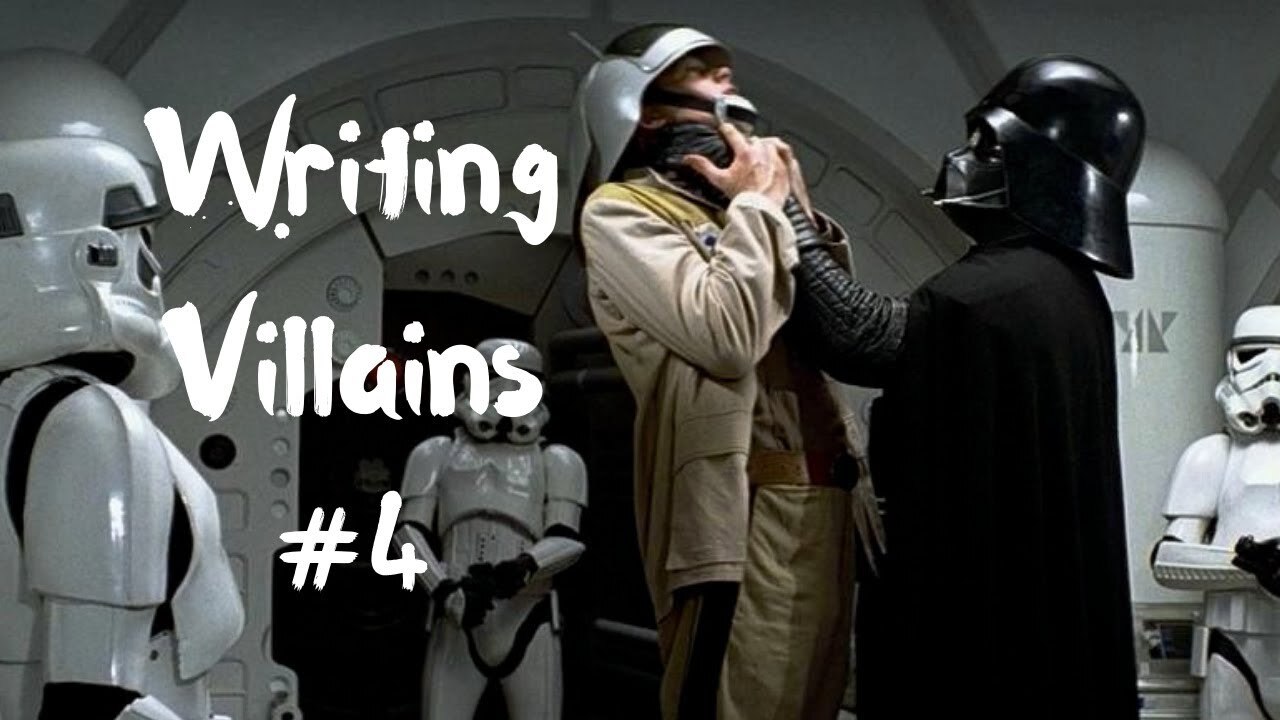
The thematic exploration of a villain protagonist’s journey allows for a deep dive into complex narratives that question conventional morality. By presenting characters who embody traits typically reserved for antagonists, writers can explore the multifaceted nature of humanity, uncovering themes that resonate with a wide audience. This not only elevates the character’s arc but also enriches the overall story by inviting readers to reflect on their perceptions of good and evil.One of the significant aspects to consider when creating a villain protagonist is the ability to challenge traditional notions of morality.
This can be achieved through various thematic lenses that provoke thought and discussion.
Common Themes in Villain Protagonist Narratives
Several themes are prevalent within narratives featuring a villain as the central character. These themes can serve as a foundation for character motivations, plot development, and audience engagement. The following points Artikel key thematic elements:
- Redemption and Forgiveness: The journey of a villain protagonist often incorporates the quest for redemption, showcasing the possibility of change and growth.
- Power and Corruption: Exploring how ambition and the pursuit of power can lead to moral decay provides a critical commentary on society and personal choices.
- Isolation and Loneliness: A villain protagonist may struggle with feelings of alienation, shedding light on the emotional consequences of their actions and choices.
- Justice vs. Vengeance: The blurred lines between seeking justice and succumbing to vengeance create a compelling internal conflict that resonates with audiences.
- Societal Critique: Villain protagonists can serve as a mirror to societal flaws, highlighting issues such as inequality, oppression, and injustice.
The use of a villain protagonist is an effective way to challenge the binary concepts of good and evil. The character’s experiences can showcase the complexity of moral choices and the factors leading to their descent into villainy. By humanizing these characters, writers can invite readers to empathize with their struggles, leading to a deeper understanding of the themes presented.
Incorporating Social and Political Commentary
Utilizing a villain protagonist allows for profound social or political commentary within the narrative. Their actions can reflect broader societal issues, thus engaging the audience in meaningful discourse. Here are ways to incorporate such commentary through the character’s journey:
- Mirror of Society: The villain’s motivations can directly stem from societal injustices, turning their narrative into a critique of systemic issues.
- Exploration of Ideologies: By embodying extremist beliefs or engaging in radical actions, the character can prompt readers to evaluate their own ideological positions.
- Consequences of Inaction: The villain’s rise to power may serve as a cautionary tale about the dangers of complacency in the face of societal problems.
- Economic Disparities: The protagonist’s actions may highlight the impact of wealth inequality, exploring how desperation can lead one down a dark path.
- Identity and Otherness: Themes of identity politics can emerge, offering a narrative that examines how societal rejection can catalyze villainous behavior.
Through these lenses, the villain protagonist becomes not merely a character to be loathed but a vehicle for exploring essential human experiences and societal critiques. This depth fosters a richer narrative that encourages readers to reflect on the moral complexities of life.
Closing Notes
In summary, the art of crafting a villain protagonist lies in the delicate balance of complexity, moral ambiguity, and emotional engagement. As we have discussed, these characters challenge our perceptions of good and evil, allowing for rich thematic exploration. By employing the Artikeld techniques, writers can create authentic villains that not only drive the plot but also resonate with audiences on a profound level, ultimately leading to stories that are both captivating and thought-provoking.