How to Collaborate with Another Writer on a Project is a vital skill in today’s interconnected world of content creation. Many writers find that joining forces with a co-writer not only enhances creativity but also produces a more polished final product. This guide will explore effective communication methods, define roles, and provide techniques to ensure a harmonious and productive collaboration.
By establishing open lines of communication, defining clear responsibilities, and incorporating collaborative writing techniques, writers can navigate the journey of joint projects with ease. Whether you are merging different writing styles or tackling conflicts, understanding the intricacies of collaborative writing is essential for success.
Establishing Communication
Establishing effective communication is essential when collaborating with another writer on a project. Clear dialogue fosters a productive partnership, allowing both writers to share ideas, provide feedback, and ensure that the project’s vision remains aligned. By utilizing various communication methods and tools, writers can enhance their collaboration process significantly.
Initiating Communication
The first step in establishing effective communication involves choosing appropriate methods for initiating dialogue with a co-writer. This can set a positive tone for the collaboration. Consider the following methods:
- Email: A formal approach to introduce the project, Artikel objectives, and express enthusiasm for the collaboration can be effective.
- Video Calls: Platforms like Zoom or Google Meet allow for face-to-face interaction, which can enhance understanding and rapport.
- Messaging Apps: Tools such as Slack or Microsoft Teams provide a less formal and more immediate way to communicate ideas and updates.
Tools for Ongoing Dialogue
Utilizing the right tools throughout the project is crucial for maintaining open channels of communication. These tools support continuous dialogue, collaboration, and feedback exchange, leading to a more cohesive project outcome.
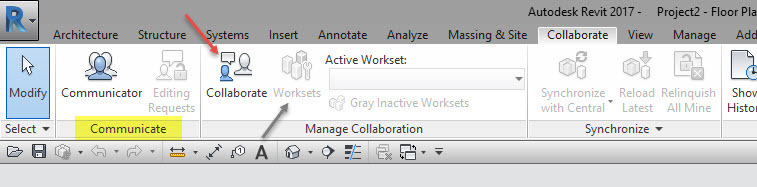
- Document Collaboration Tools: Google Docs or Microsoft OneDrive allow both writers to work on the same document in real time, making it easy to suggest edits and leave comments.
- Project Management Software: Applications like Trello or Asana can help track progress, assign tasks, and set deadlines, ensuring both writers are on the same page.
- Shared Calendars: Google Calendar can be utilized to schedule important milestones, deadlines, and meetings, facilitating organized communication.
Regular Check-ins
Setting regular check-ins is an essential practice for assessing progress and addressing any concerns that may arise during the collaboration. These meetings help to ensure that both writers remain aligned with the project’s goals and timelines.
- Weekly Meetings: Scheduling weekly meetings can provide opportunities to discuss updates, challenges faced, and next steps.
- Progress Reports: Sharing bi-weekly or monthly reports can help keep both writers informed about the overall progress and any necessary adjustments.
- Feedback Sessions: Designating time specifically for giving and receiving feedback can foster a culture of open communication and constructive criticism.
Defining Roles and Responsibilities
In collaborative writing projects, clearly defined roles and responsibilities are essential for effective teamwork and successful outcomes. By establishing a framework that aligns with each writer’s strengths and interests, collaborators can optimize their contributions, ensuring that the final product reflects the best of both parties’ abilities. This process not only fosters a sense of ownership and accountability but also enhances productivity and creativity within the team.
Establishing clear expectations regarding roles, responsibilities, and deadlines is crucial to avoid misunderstandings and ensure that all parties are aligned. Each collaborator should have a defined area of focus, which allows for a more streamlined workflow and minimizes potential conflicts. By systematically outlining each member’s contributions, teams can work more cohesively towards their shared goal.
Framework for Dividing Tasks
Creating a framework for dividing tasks based on individual strengths and interests can significantly enhance the collaboration process. This approach ensures that each writer is engaged and motivated, as they will be working on aspects of the project that align with their expertise and passion. Consider the following steps in establishing this framework:
- Identify Strengths: Each writer should assess their unique skills, be it research, writing style, editing, or subject matter expertise. This self-assessment can be facilitated through a brief discussion or questionnaire.
- Discuss Interests: Collaborators should openly communicate their interests in various aspects of the project, allowing for a better alignment of tasks with personal enthusiasm.
- Assign Roles: Once strengths and interests are identified, assign specific roles, such as lead writer, editor, researcher, or fact-checker, based on each participant’s competencies and preferences.
- Document Responsibilities: Clearly Artikel the responsibilities associated with each role, indicating what is expected and the scope of work involved.
Establishing Clear Expectations and Deadlines
Establishing clear expectations and deadlines is paramount in collaborative writing projects. Clear communication regarding timelines ensures that all collaborators are on the same page and can plan their contributions accordingly. The importance of this cannot be overstated, as it helps maintain momentum and prevents any last-minute rushes that could compromise the quality of the work produced. To effectively manage expectations and deadlines, consider the following aspects:
- Set Project Milestones: Identify key milestones within the project timeline, such as drafts, revisions, and final submissions, and communicate these to all parties involved.
- Agree on Deadlines: Collaboratively set deadlines for each task, ensuring they are realistic and considerate of each writer’s schedule.
- Regular Check-ins: Schedule regular meetings to review progress, address any challenges, and adjust timelines as necessary, ensuring that everyone remains accountable and engaged.
- Document Everything: Keep written records of all agreements regarding roles, responsibilities, and deadlines to refer back to, should any disputes or confusion arise.
Examples of Role Assignments
Role assignments in collaborative writing projects can vary widely depending on the nature of the project and the team members involved. Below are some common examples of how roles might be structured:
- Lead Writer: Responsible for drafting the primary content, ensuring coherence and flow throughout the document.
- Editor: Focuses on refining the written content, checking for grammatical accuracy, and enhancing readability.
- Researcher: Gathers relevant data and information to support the content, ensuring that all claims are well-founded and cited appropriately.
- Fact-Checker: Reviews the final draft to verify that all facts are accurate and sources are correctly cited.
By clearly defining roles and responsibilities, collaborators can leverage their respective strengths, meet expectations, and ultimately produce high-quality work that reflects the efforts of both writers.
Collaborative Writing Techniques
Collaborative writing is an integral part of any successful partnership between writers, allowing them to merge their ideas and create cohesive content. Employing effective collaborative writing techniques not only enhances the quality of the document but also streamlines the communication process between co-writers. By utilizing shared platforms and editing tools, writers can work more efficiently and maintain consistency throughout their work.
Shared Platforms and Editing Tools
In order to facilitate seamless collaboration, it is essential to choose the right tools that allow both writers to contribute effectively. Shared platforms such as Google Docs, Microsoft OneDrive, and Dropbox Paper offer real-time editing capabilities, allowing both writers to see changes as they happen. These platforms provide a common space where writers can brainstorm ideas, write drafts, and provide feedback without the need for constant email exchanges.The use of editing tools such as Grammarly and Hemingway can further enhance the quality of collaborative writing.
These tools help maintain consistency in style and voice by providing suggestions for grammar, punctuation, and readability. By integrating these technologies into the writing process, both writers can ensure that the final document aligns with their shared vision and adheres to professional standards.
Maintaining Consistency in Style and Voice
To achieve a unified voice in collaborative writing, utilizing style guides is crucial. A shared style guide, whether it is based on established standards like APA or MLA or a custom guide developed by the writers, can serve as a reference for tone, terminology, and formatting. This approach helps mitigate discrepancies in language and ensures that the document reflects a cohesive narrative.Drafts play a pivotal role in maintaining consistency throughout the writing process.
Writers should create multiple drafts, allowing them to build upon each other’s ideas and refine the document incrementally. Each draft serves as a snapshot of the writing process, enabling both writers to review changes and align their contributions with the overall style and tone.
Incorporating Feedback Effectively
Incorporating feedback from each other is essential for strengthening the collaborative effort. Establishing a structured feedback system can facilitate this process. Writers can schedule regular check-ins to discuss their thoughts and suggestions, ensuring that both parties feel heard and valued. Additionally, utilizing commenting features in shared documents allows writers to provide specific, constructive feedback directly on the text, making it easier to address concerns and implement changes.It is also vital to approach feedback with an open mind.
Recognizing that constructive criticism is aimed at improving the work, rather than the individual, fosters a collaborative atmosphere. By actively engaging with each other’s suggestions, writers can refine their ideas and enhance the overall quality of the project, leading to a more polished and effective final product.
“Effective collaboration relies not only on the tools used but also on the willingness of writers to engage with each other’s ideas and feedback.”
Conflict Resolution Strategies
Collaboration between writers can often lead to differing opinions and ideas, which is a natural part of the creative process. However, it is essential to address these disagreements constructively to maintain a positive working environment and ensure a successful outcome. Effective conflict resolution strategies can help both writers navigate challenges gracefully, fostering a collaborative spirit while enhancing the quality of their project.
Approaches for Managing Disagreements
Managing disagreements during the writing process is crucial to maintaining harmony between collaborators. It is advisable to establish a framework for addressing conflicts early in the collaboration. This framework may include:
- Open Dialogue: Encourage regular check-ins to discuss progress and any concerns, allowing both writers to voice their opinions freely.
- Active Listening: Practice active listening by acknowledging each other’s perspectives and validating feelings, which can help in reaching a common ground.
- Neutral Mediation: Consider bringing in a neutral third party if disagreements escalate, which can provide an unbiased perspective and facilitate resolution.
Techniques for Constructive Criticism
Providing constructive criticism is vital for a positive working environment. When delivering feedback, it is important to focus on making it productive and supportive. Techniques to consider include:
- Specificity: Be specific about what works and what does not, citing examples from the text to clarify your points.
- Balance Positives and Negatives: Start with what is working well before addressing areas for improvement, ensuring that the writer feels valued.
- Actionable Suggestions: Offer actionable suggestions rather than simply stating problems, which can empower the writer to make meaningful changes.
Creating an Agreement for Conflict Resolution
Before beginning a collaborative project, it is advisable to create a formal agreement regarding conflict resolution. This agreement should Artikel the procedures both writers will follow if conflicts arise, ensuring that both parties are on the same page. Key elements to include in this agreement are:
- Dispute Resolution Steps: Clearly define the steps both writers will take when a disagreement occurs, from informal discussions to formal mediation.
- Timelines: Establish timelines for addressing conflicts to prevent issues from lingering and impacting the writing process.
- Regular Review: Schedule periodic reviews of the agreement to ensure it remains relevant and effective throughout the collaboration.
“Effective conflict resolution is key to transforming disagreements into opportunities for growth and creativity.”
Finalizing and Polishing the Project
The final stages of a collaborative writing project are crucial for ensuring that the work is polished, cohesive, and ready for presentation. This phase involves meticulous editing, proofreading, and harmonizing the individual writing styles of each contributor to create a unified final product. By following a structured approach to finalize your work, you can mitigate potential issues and enhance the overall quality of the project.
Final Review Process Steps
To effectively finalize the project, it is essential to establish a clear review process. This step-by-step guide includes the roles of each writer in the editing and proofreading phases.
- Initial Draft Review: Each writer should conduct a review of their own sections to ensure clarity and completeness before sharing with the group.
- Peer Review: Share the draft with your co-writer(s) for feedback, focusing on content accuracy and coherence.
- Editing: Assign one writer as the lead editor who will compile feedback and make necessary revisions to improve structure and flow.
- Proofreading: Designate a separate individual for proofreading to ensure grammatical correctness and adherence to style guidelines.
- Final Read-Through: Conduct a joint session for all writers to read the revised draft aloud, allowing for final adjustments and ensuring readability.
Balancing Individual Writing Styles
Collaborators often have distinct writing styles that can enhance a project but may also lead to inconsistency in the final draft. To address this, it is essential to focus on the following strategies:
“Aim for a cohesive voice without sacrificing the individuality of each writer.”
- Establish a common style guide at the project’s outset, which includes tone, voice, and formatting preferences.
- During the editing phase, the lead editor should identify and smooth out discrepancies in style, ensuring that transitions between sections are seamless.
- Encourage open communication about stylistic preferences, allowing each writer to express their voice while conforming to the agreed-upon style.
Final Checklist for Cohesion and Completeness
Utilizing a checklist can significantly aid in ensuring all elements of the project are addressed before publication. Below is a comprehensive list to consider:
Content Completeness
Verify that all sections are present and contribute to the overarching theme.
Consistency
Ensure that terminology, abbreviations, and formatting are used consistently throughout the document.
Citations and References
Check that all sources are correctly cited in the agreed format and that the bibliography is complete.
Visual Elements
Confirm that all images, charts, and diagrams are properly placed and referenced, enhancing the text rather than detracting from it.
Compliance with Guidelines
Review any submission guidelines provided by publishers or platforms to ensure adherence to their requirements.Following this structured approach to finalizing and polishing your collaborative writing project will not only enhance the quality of the work but also foster a sense of accomplishment and teamwork among all contributors.
Reflecting on the Collaborative Process

The collaborative process in writing is a journey that offers numerous insights and opportunities for growth. Upon completing a project, it is crucial for writers to take a step back and reflect on their experience. This reflection not only enhances individual skills but also strengthens future collaborations. By discussing what worked well and what could be improved, writers can foster a more effective and harmonious working relationship in the long term.One effective way to enhance the collaborative process is through open discussions about what aspects of the partnership were successful and which areas need refinement.
This can include evaluating the flow of communication, the clarity of defined roles, and the effectiveness of writing techniques used throughout the project.
Methods for Gathering Feedback
After project completion, collecting feedback from all involved parties is vital for understanding the collaborative experience. This feedback can be gathered through various methods, ensuring that everyone gets a chance to voice their thoughts.
- Feedback Sessions: Organizing a structured meeting where both writers can discuss their experiences, focusing on both positive and negative aspects of the collaboration.
- Surveys: Distributing a survey with specific questions related to the collaboration can help gather individual thoughts anonymously, encouraging honest feedback.
- Written Reflections: Asking each writer to submit a brief written reflection can provide insights into their personal experiences and perceptions of the collaboration.
- Peer Review: Conducting a peer review session can allow writers to provide constructive criticism on each other’s contributions, fostering a sense of growth and improvement.
Documenting this feedback is essential for future reference and can guide writers in enhancing their collaborative skills, making the next project even more effective.
Importance of Documenting Lessons Learned
Recording the lessons learned from a collaborative project is crucial for continuous improvement. This documentation serves several purposes and can significantly benefit future collaborations.
- Creating a Knowledge Base: Compiling insights and experiences creates a repository of knowledge that can be referenced in subsequent projects, helping to avoid repeating past mistakes.
- Identifying Patterns: Over time, writers can identify patterns in their collaboration experiences, recognizing common challenges and successful strategies that can be employed in future projects.
- Enhancing Team Dynamics: Documented lessons can improve team dynamics by fostering a culture of openness and continuous learning, which is essential in collaborative environments.
- Setting Standards: Lessons learned can help establish best practices for collaboration, providing a framework that guides future work and improves overall outcomes.
“Reflecting on the past not only informs the present but shapes the future.”
Last Word
In summary, mastering the art of collaboration opens doors to new possibilities and enriches the writing experience. By reflecting on the collaborative process and learning from each project, writers can continually improve their partnerships and produce exceptional work together. Embracing these strategies will undoubtedly make co-writing a rewarding endeavor, leading to impactful storytelling.