How to Research a Topic Thoroughly and Accurately sets the stage for this enthralling narrative, offering readers a glimpse into a story that is rich in detail and brimming with originality from the outset. In an age where information is abundant, the ability to discern credible sources and compile accurate data becomes indispensable. Effective research not only enhances one’s knowledge base but also empowers individuals to make informed decisions across various spheres, from academia to personal pursuits.
This guide delves into the essential components of thorough research, including identifying reliable sources, developing structured research plans, and synthesizing information effectively. By mastering these skills, individuals can navigate the complex landscape of information with confidence and clarity.
Understanding the Importance of Thorough Research
Thorough research is a fundamental aspect of effective learning, serving as the backbone of informed decision-making and knowledge acquisition. In a world inundated with information, the ability to discern credible sources and synthesize data is paramount for both personal and professional growth. Engaging in comprehensive research not only enhances understanding but also enriches the quality of outcomes across various domains.Inadequate research can lead to significant misinformation, which can have far-reaching consequences.
For instance, during the early stages of the COVID-19 pandemic, various media outlets disseminated unverified information regarding treatments and preventive measures. This resulted in panic and the use of harmful substances based on false claims. Similarly, in the academic sphere, students who rely on poorly sourced articles may produce flawed arguments or conclusions, which can hamper their educational pursuits. These examples underscore the critical nature of thorough research as a means of avoiding pitfalls associated with misinformation.Accurate research yields numerous benefits across diverse fields.
In academia, it fosters critical thinking and analytical skills, enabling students and scholars to contribute meaningfully to their areas of study. In the professional realm, businesses that invest in thorough market research can make informed strategic decisions, minimizing risks and maximizing opportunities. Personal decision-making—whether in health, finance, or lifestyle choices—also greatly benefits from well-researched information, leading to better outcomes and enhanced well-being.
In summary, the essence of thorough research extends beyond mere knowledge acquisition; it serves as a vital tool for fostering informed decisions, cultivating trust in information, and ultimately driving success in various facets of life.
Identifying Reliable Sources
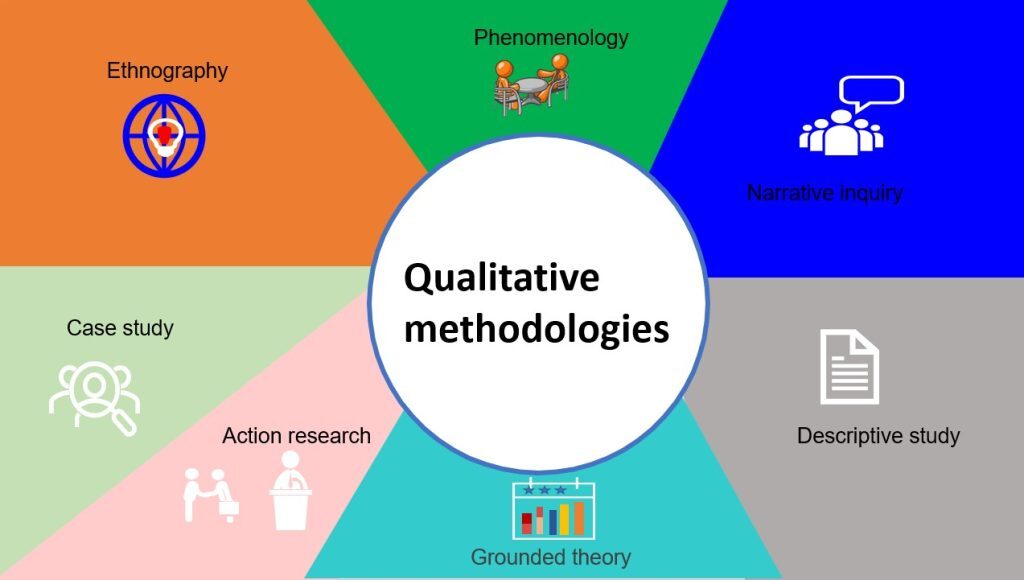
Thorough research necessitates the use of reliable sources to ensure the accuracy and credibility of the information being presented. This section focuses on different types of credible sources that can be utilized in research, methods for evaluating their credibility, and the significance of distinguishing between primary and secondary sources.
Types of Credible Sources
Research can be supported by various types of credible sources, each playing a unique role in contributing to the depth and reliability of the findings. Understanding these sources enhances the research process significantly. The following list Artikels the primary categories of credible sources:
- Academic Journals: Peer-reviewed journals are among the most reliable sources, as they undergo rigorous evaluation by experts in the field before publication.
- Books: Scholarly books published by reputable academic publishers often provide comprehensive insights into specific topics.
- Government Publications: Reports and statistics from government agencies are generally trustworthy as they represent official data and research.
- Educational Institutions: Research conducted by universities and colleges is typically credible, especially when produced by recognized experts.
- Conferences and Symposiums: Presentations and proceedings from academic conferences can provide up-to-date research findings and innovative ideas.
Methods for Evaluating Credibility
The credibility of a source is essential for ensuring the reliability of research outcomes. Various criteria can be applied to assess the trustworthiness of a source:
- Authorship: Investigate the author’s qualifications, expertise, and affiliations to determine their authority on the subject matter.
- Publication Date: Ensure that the information is current and relevant. Fields such as technology and medicine rapidly evolve, making updated sources critical.
- Citation Metrics: Look for the number of citations a work has received, as well-cited works are often recognized as influential in their respective disciplines.
- Publisher Reputation: Review the reputation of the publisher. Academic institutions or established publishers are generally more credible.
- Peer Review Status: Ensure that the work has been peer-reviewed. This process indicates that the research has been evaluated and deemed valid by experts in the field.
Importance of Primary vs. Secondary Sources
The distinction between primary and secondary sources is crucial in research, as each type serves a different purpose and offers varying levels of credibility. Primary sources are original materials that provide direct evidence or firsthand accounts of an event, while secondary sources analyze, interpret, or summarize primary data. Utilizing primary sources is vital for gaining direct insights and understanding the context of a research topic.
Examples include interviews, original research studies, and historical documents. Secondary sources, such as review articles and biographies, can enhance the research by providing analysis and broader context, but they should be supplemented with primary research to ensure comprehensive coverage of the topic.In conclusion, identifying and using reliable sources is fundamental in conducting thorough research. By recognizing and evaluating the types of sources available, along with the differences between primary and secondary materials, researchers can enhance the quality and credibility of their work.
Developing a Research Plan
Creating a comprehensive research plan is a crucial step in conducting thorough and accurate research. A well-structured approach not only enhances the efficiency of the research process but also ensures that the research outcomes are relevant and impactful. A clear research plan serves as a roadmap, guiding researchers through various stages of inquiry while helping them stay focused on their objectives.Developing a research plan involves several key elements, including establishing a timeline and defining specific goals.
By carefully outlining the steps to be taken, researchers can allocate their resources wisely and remain organized throughout the research journey. This structured approach ultimately leads to more effective research outcomes and a deeper understanding of the chosen topic.
Steps for Creating a Research Timeline
Establishing a research timeline is essential for maintaining momentum and ensuring that deadlines are met. A well-defined timeline allows researchers to visualize their tasks and allocate sufficient time to each phase of the research process. The following steps can help in creating an effective research timeline:
- Identify Key Phases: Break down the research process into distinct phases, such as topic selection, literature review, data collection, analysis, and presentation of findings.
- Determine Timeframes: Assign realistic timeframes to each phase based on the complexity and requirements of the research. Consider potential challenges that may arise during the process.
- Set Milestones: Establish specific milestones within each phase. These serve as checkpoints to evaluate progress and make necessary adjustments to the timeline.
- Incorporate Flexibility: Allow for flexibility within the timeline to accommodate unforeseen circumstances or additional research opportunities that may arise.
Setting Specific, Measurable Goals During the Research Process
Establishing specific, measurable goals is fundamental to maintaining focus and ensuring progress throughout the research process. These goals should align with the overarching research objectives and provide clear direction. Below are tips for setting effective research goals:
“Goals should be SMART: Specific, Measurable, Achievable, Relevant, and Time-bound.”
- Specific: Clearly define what you intend to achieve with each goal. Vague goals can lead to confusion and lack of direction.
- Measurable: Establish criteria for measuring progress to ensure that you can track your achievements and identify areas needing improvement.
- Achievable: Set realistic goals that can be accomplished within the set timeframe. Consider your available resources and constraints.
- Relevant: Ensure that each goal is aligned with your main research objectives and contributes meaningfully to your overall project.
- Time-bound: Assign deadlines to each goal, helping to create a sense of urgency and maintain accountability.
Utilizing Online Research Tools
In an age where information is abundant, utilizing online research tools effectively can significantly enhance the research process. These tools not only streamline access to vast amounts of information but also ensure that the data obtained is credible and relevant. Leveraging databases, digital libraries, and advanced search techniques is essential for conducting comprehensive and accurate research.
Using Databases and Digital Libraries for Research
Databases and digital libraries serve as treasure troves for researchers, offering organized collections of scholarly articles, books, and primary sources. Familiarity with these resources can lead to more efficient research outcomes. Major databases such as JSTOR, PubMed, and Google Scholar provide access to peer-reviewed articles and scientific papers, ensuring the reliability of the information obtained. Utilizing a database often involves the following steps:
- Accessing the database through an institution or public library to bypass subscription fees.
- Using s related to the topic to perform targeted searches.
- Applying filters to narrow results by date, publication type, or subject area.
- Reviewing abstracts to evaluate the relevance of each article before obtaining the full text.
Advanced Search Techniques in Online Search Engines
Employing advanced search techniques can significantly improve the efficiency of online searches. Search engines like Google offer various features that allow for more precise queries. Features such as Boolean operators (AND, OR, NOT), quotation marks for exact phrases, and the use of asterisks for wildcards enhance search capabilities.Key strategies to enhance online searches include:
- Using quotation marks to search for exact phrases, ensuring that the results contain the specific wording.
- Incorporating Boolean operators to combine or exclude s, refining the search results.
- Utilizing the minus sign (-) to omit terms that are not relevant to the research topic.
- Employing site-specific searches by using “site:” followed by a domain to focus on reputable sources.
Recommended Online Tools and Platforms for Comprehensive Research
A variety of online tools and platforms can aid in thorough research by providing access to resources, citation management, and collaboration features. Below is a selection of recommended tools that are well-regarded in the academic and research communities:
- Zotero: A free tool for collecting, organizing, and citing research materials.
- Mendeley: A reference manager that also serves as a collaborative academic social network.
- RefWorks: A web-based reference management service that simplifies citation and bibliography creation.
- Google Scholar: A freely accessible search engine for scholarly literature across various disciplines.
- ResearchGate: A professional network for researchers to share papers and collaborate on projects.
These tools not only facilitate the collection of information but also help in organizing and managing research efficiently. The integration of these online resources into the research workflow is essential for achieving thorough and accurate results.
Organizing Research Findings
Organizing research findings is a vital step in the research process, as it allows researchers to synthesize information, draw connections, and ultimately present their work coherently. A well-structured organization of data can facilitate deeper understanding and foster insightful conclusions.
Method for Categorizing and Organizing Research Data
To effectively categorize and organize research data, it is important to establish a system that aligns with the research objectives and the nature of the information collected. A common method is to use thematic categorization, where data is grouped based on common themes or topics. This approach not only simplifies the retrieval of information but also aids in identifying patterns and relationships among different pieces of data.An effective categorization system can include the following steps:
- Define Categories: Determine major themes based on the research questions or objectives.
- Subcategories: Break down main categories into subcategories for more detailed organization.
- Labeling: Clearly label each category and subcategory to ensure easy identification.
- Review and Adjust: Regularly review categories and adjust as necessary to accommodate new findings or insights.
Effective Note-Taking Strategies for Research
Effective note-taking is crucial for managing the information gathered during research. There are various strategies that can enhance the note-taking process and improve retention of information. One such strategy is the Cornell Method, which divides the page into three sections: cues, notes, and summary. This method encourages active engagement with the material and allows for easy review of key concepts.Additionally, utilizing digital note-taking tools can streamline the process.
Tools such as Evernote or Microsoft OneNote provide functionalities for organizing notes, attaching files, and even collaborating with others. The following practices can further enhance note-taking:
- Use Abbreviations: Develop a set of abbreviations to speed up the writing process.
- Highlight Key Points: Use colors or symbols to emphasize essential information.
- Summarize Regularly: After each research session, summarize the main points to reinforce memory.
Mental Mapping to Structure Research Information
Mind maps are an effective visual tool for structuring research information. They allow researchers to visually organize their thoughts, making connections between different pieces of information clearer. By placing the central topic in the center and branching out into s, researchers can create a comprehensive overview of their findings.A typical mind map might include a central bubble for the main research question, with branches for each category of data collected.
Each sub-branch can then detail specific information or insights related to that category. This visual representation can aid in:
- Understanding Relationships: Identifying how different concepts relate to one another.
- Brainstorming: Generating new ideas based on existing knowledge.
- Recall: Enhancing memory retention through visual cues.
Effective organization of research findings not only aids in clarity but also promotes a deeper understanding of the subject matter.
Synthesizing Information from Various Sources
Synthesizing information from multiple sources is a critical component of effective research. This process involves integrating insights, facts, and perspectives from diverse materials to create a comprehensive understanding of the topic at hand. By doing so, researchers are able to construct a narrative that is both cohesive and informative, drawing connections that highlight the relationships between various pieces of information.Combining information from multiple sources requires careful consideration and analysis.
The first step involves identifying key themes and concepts that emerge across the different materials. Once these core ideas are recognized, researchers can begin to blend them into a unified narrative. This often involves paraphrasing and summarizing the information, ensuring that the researcher retains the original meaning while presenting it in a fresh context. Paraphrasing allows the researcher to convey ideas in their own words, while summarizing distills the essence of a larger text into its most critical points.
Both techniques are essential in avoiding plagiarism and maintaining the integrity of the research.
Importance of Paraphrasing and Summarizing
Effective synthesis relies heavily on the ability to paraphrase and summarize information accurately. These skills not only help in creating a seamless narrative but also ensure that the researcher engages critically with the material. The importance of these techniques can be understood through the following points:
- Paraphrasing helps to clarify complex ideas, making them accessible to a broader audience. For instance, an intricate theory in a scientific paper can be simplified through effective paraphrasing, allowing non-experts to grasp essential concepts.
- Summarizing enables researchers to distill extensive research findings into digestible portions, facilitating easier understanding. An example can be seen in literature reviews where researchers summarize multiple studies to highlight trends and gaps in the existing literature.
- Both practices reduce the risk of plagiarism, which is crucial in maintaining academic integrity. By rephrasing and condensing the original ideas, researchers give appropriate credit to the original authors while contributing their own insights.
An example of effective synthesis can be observed in academic research papers where literature reviews are constructed. In these papers, authors typically review several studies on a particular topic, summarizing findings to establish a foundation for their own research. For instance, a study on the impact of social media on mental health may reference multiple studies, synthesizing outcomes that indicate both positive and negative effects, thus providing a balanced view based on existing evidence.
Through careful synthesis, the author can present a nuanced perspective that informs their original research question, illustrating the interconnectedness of various studies.
Citing Sources Properly

Citing sources accurately is a critical component of conducting thorough and ethical research. Proper citation not only gives credit to the original authors but also strengthens the credibility of your work by demonstrating a foundation built on established knowledge. In this section, we will explore the various citation styles, the importance of avoiding plagiarism, and the integration of footnotes and endnotes into research documents.
Citation Styles Overview
Different fields of study often adhere to specific citation styles, each with unique rules and formats. Understanding which style to use is essential for maintaining academic integrity.
- APA (American Psychological Association): Commonly used in social sciences, psychology, and education. It emphasizes the date of publication, reflecting the importance of current research.
- MLA (Modern Language Association): Frequently utilized in humanities disciplines such as literature and philosophy. It focuses on the authorship of sources, making it critical for discussions of literary analysis.
- Chicago/Turabian Style: Often used in history and some social sciences, this style offers two systems—Notes and Bibliography for humanities and Author-Date for sciences.
- IEEE (Institute of Electrical and Electronics Engineers): Primarily used in technical fields, particularly engineering, where citations are numbered in the order of appearance.
Avoiding Plagiarism through Proper Citation
Plagiarism is a serious academic offense that can lead to severe consequences. Proper citation practices are crucial in avoiding it. Here are key guidelines to adhere to:
- Always credit original authors for their ideas, data, or text that you incorporate into your work.
- Use quotation marks for direct quotes and provide appropriate citations to indicate their source.
- Paraphrase information accurately and still give credit to the original source.
- Keep thorough notes on all sources during research to ensure easy access to citation details.
“Citing sources is not merely a requirement; it is an ethical responsibility that upholds the integrity of academic work.”
Incorporating Footnotes and Endnotes
Footnotes and endnotes serve as valuable tools for providing additional information, clarifications, or references without interrupting the flow of the main text. The placement of these notes is determined by both style guides and personal preference.
- Footnotes: Typically placed at the bottom of the page where the reference occurs. They allow readers to see citations without navigating away from the main text.
- Endnotes: Located at the end of a chapter or document, endnotes can be less disruptive than footnotes. However, they require readers to turn pages to access the information.
When using footnotes or endnotes, it is important to follow the specific formatting guidelines set forth by the chosen citation style, ensuring clarity and consistency throughout the document.
Reviewing and Revising Research Work

The process of reviewing and revising research work is crucial in ensuring clarity and accuracy in the presentation of findings. A thorough review can enhance the quality of the research, making it more impactful and credible. This stage serves not only to catch errors or inconsistencies but also to refine the work to meet the highest academic standards. The importance of reviewing research cannot be overstated.
It allows researchers to assess their arguments, check for logical flow, and ensure that the data supports their conclusions. This process also provides an opportunity to enhance the overall readability and coherence of the document, making it more engaging for the audience.
Techniques for Revising Written Research Work
To effectively revise written research work, several techniques can be employed. These techniques facilitate the improvement of the text’s structure, clarity, and accuracy, ensuring that the final document is polished and professional.
Take a Break Before Revising
Stepping away from the research for a short period can provide a fresh perspective, making it easier to identify errors or areas needing improvement upon return.
Read Aloud
Reading the text out loud helps to catch awkward phrasing, grammatical mistakes, or unclear ideas that may not be immediately obvious when reading silently.
Peer Review
Engaging colleagues or mentors to review the research can provide valuable feedback, as they may offer insights that the original author might overlook.
Check for Consistency
Ensure that terminology, formatting, and citation styles are consistent throughout the document. This includes double-checking that all sources are properly cited and that style guidelines have been followed.
Focus on Structure
Assess the organization of the research. Each section should logically lead to the next, and transitions should be smooth to maintain coherence throughout the paper.
Checklist for Finalizing Research Documents
Before submitting research documents, it is beneficial to follow a comprehensive checklist to guarantee that all essential elements have been addressed. This checklist serves as a final review to confirm that the work meets academic requirements and is ready for presentation.
Content Review
Confirm that the research question is clearly defined and that all arguments are supported with evidence.
Clarity and Style
Ensure that the writing is clear, concise, and free from jargon unless necessary. Look for opportunities to simplify complex sentences.
Formatting
Check that the document adheres to specific formatting guidelines, including margins, font size, and headings, as per institutional requirements.
References
Verify that all references are accurate, complete, and formatted correctly according to the chosen citation style.
Proofreading
Conduct a final proofreading for typographical errors, grammar, and punctuation before submission.
The process of reviewing and revising is fundamental in ensuring the clarity and accuracy of research work.
Presenting Research Findings
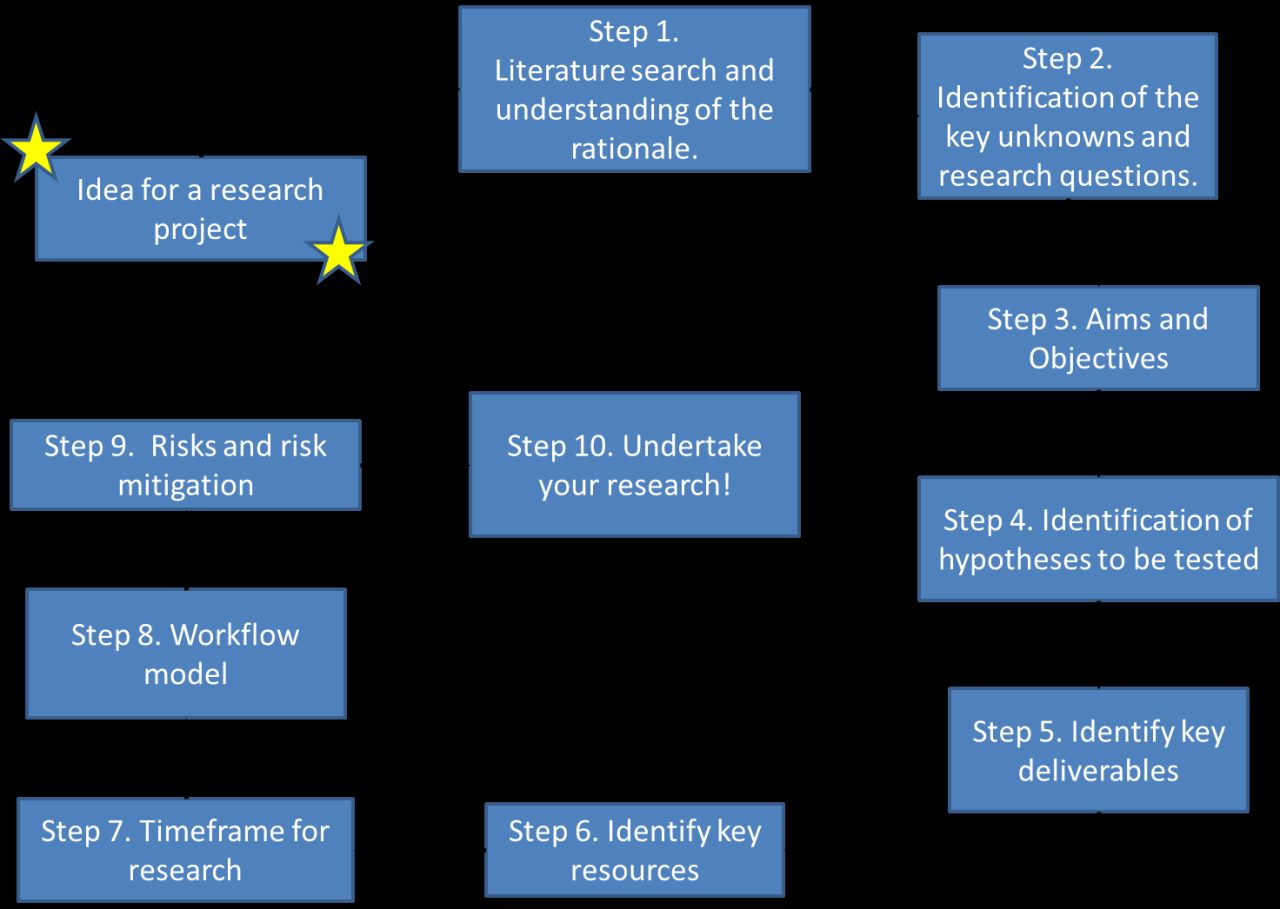
Presenting research findings effectively is a crucial aspect of the research process. It allows researchers to share their insights, validate their work, and engage with their audience. A well-structured presentation can enhance understanding and retention of the material, thereby fostering a meaningful dialogue between the researcher and their audience. This segment will explore the design of a presentation based on research findings, effective visual aids, and tips for engaging an audience during a research presentation.
Designing a Presentation Based on Research Findings
Creating a coherent and visually appealing presentation requires careful attention to structure and content. Begin by outlining the main points that need to be communicated. These include the research question, methodology, key findings, and implications of the research. Consider the following elements when designing the presentation:
- Clear Structure: Organize the presentation logically, starting with an introduction that Artikels the objectives and significance of the research. Follow with the methods used, results obtained, and a conclusion that ties everything together.
- Engaging Narrative: Frame the findings within a narrative that captures the audience’s interest, making the information relatable and memorable.
- Time Management: Allocate time wisely for each section to ensure that all critical points are covered without rushing through the material.
Effective Visual Aids in Presenting Research
Visual aids play a significant role in enhancing the comprehension of research findings. They can help to clarify complex information and keep the audience engaged. To effectively utilize visual aids, consider the following:
- Charts and Graphs: Use bar charts, line graphs, and pie charts to represent quantitative data visually. These tools allow the audience to grasp trends and relationships at a glance.
- Infographics: Combine text and visuals to create infographics that summarize critical points or processes. This format can make dense information more accessible.
- Presentation Software Tools: Leverage software such as PowerPoint or Google Slides to create dynamic presentations that include animations and transitions, making the material more engaging.
Engaging an Audience During a Research Presentation
Engaging the audience is key to effectively communicating research findings. To establish a connection with the audience, apply the following strategies:
- Interactive Elements: Incorporate questions, polls, or brief discussions throughout the presentation to encourage audience participation and maintain interest.
- Body Language and Eye Contact: Use confident body language and maintain eye contact with the audience to foster a connection and convey enthusiasm for the research.
- Storytelling Techniques: Integrate anecdotes or case studies that relate to the research. These narratives can evoke emotions and make complex concepts more relatable.
“Effective presentations are not merely about sharing information; they are about building a narrative that engages, informs, and inspires the audience.”
Concluding Remarks
In conclusion, the art of researching a topic thoroughly and accurately is a vital skill that transcends various disciplines and applications. By following the Artikeld strategies—from identifying credible sources to presenting findings effectively—individuals enhance their ability to communicate knowledge with precision and integrity. Embracing these techniques not only elevates one’s research capabilities but also fosters a deeper understanding of the subjects at hand, ultimately leading to more informed and thoughtful contributions to any field.