How to Write a Compelling Memoir or Personal Essay offers a journey into the art of personal storytelling, where your unique voice and experiences take center stage. Memoirs and personal essays serve as powerful vehicles for self-expression, allowing writers to share their truths and connect deeply with readers.
In this exploration, we will delve into the essential components of crafting a memorable narrative, from uncovering your individual story to the intricacies of character development and audience engagement. Each section will provide valuable insights and practical techniques to elevate your writing, ensuring that your memoir or essay resonates with others.
Understanding the Memoir and Personal Essay
Writing a memoir or personal essay involves a deep exploration of one’s personal experiences and reflections. While both forms share similarities, they possess distinct characteristics that set them apart. Understanding these differences is crucial for any writer aspiring to craft a compelling narrative. A memoir typically recounts specific events from the author’s life, focusing on a particular theme or moment, while a personal essay often presents a broader examination of personal thoughts and feelings in relation to a universal topic.
The prominence of personal voice in memoir writing cannot be overstated, as it is this unique perspective that breathes life into the narrative. Furthermore, the interplay of truth and memory becomes vital, as authors navigate the often subjective nature of their recollections to create a compelling and authentic story.
Characteristics that Differentiate a Memoir from a Personal Essay
In distinguishing between a memoir and a personal essay, it is essential to recognize the defining features of each form. Here are the main characteristics that differentiate them:
- Focus: A memoir centers around a specific event or period in life, whereas a personal essay explores a theme or idea through the lens of personal experience.
- Structure: Memoirs often follow a chronological format, presenting events in a narrative arc, while personal essays may adopt a more fragmented or thematic structure.
- Content Depth: Memoirs delve deeper into the emotional and psychological aspects of experiences, while personal essays may engage more with philosophical or analytical reflections.
- Audience Engagement: Memoirs are often written with the intent of sharing a life story, engaging readers with personal stakes; personal essays encourage readers to reflect on their own experiences through the author’s insights.
Significance of Personal Voice in Memoir Writing
The personal voice is a critical element that enhances the relatability and authenticity of a memoir. It conveys the author’s unique perspective and emotional truth, allowing readers to connect on a personal level.
“The personal voice is the heartbeat of memoir writing, transforming mere facts into an evocative story.”
A strong personal voice can help evoke empathy and engage readers’ emotions, drawing them into the author’s world. Writers should strive for authenticity, allowing their personality to shine through the narrative. This can be achieved through the use of vivid imagery, specific details, and a distinctive writing style that reflects the author’s character and experiences.
Role of Truth and Memory in Personal Narratives
Truth and memory are pivotal in shaping personal narratives, as they influence how stories are crafted and understood. While memoirs aim to convey truth, they must also account for the subjective nature of memory.
“Memory is not a perfect recording of events; it is a dynamic and evolving interpretation of experiences.”
Writers must navigate the complexities of what is remembered versus what may have been altered over time. This requires a delicate balance of honesty and creative license. By embracing the nuanced relationship between truth and memory, authors can create narratives that resonate with readers while remaining true to their lived experiences. Such narratives often reflect broader human themes, allowing for connection and understanding beyond the individual story.
Finding Your Unique Story
Identifying your unique story is a pivotal step in writing a compelling memoir or personal essay. Every individual possesses a treasure trove of experiences that, when articulated effectively, can resonate with readers on a profound level. This section will explore techniques to uncover your personal stories, methods for reflection, and strategies for selecting impactful moments that contribute to a meaningful narrative.
Techniques to Uncover Personal Stories
To discover stories that are worth sharing, it is essential to engage in self-exploration. This process can unearth experiences that may initially seem mundane but hold deeper significance. Consider the following techniques:
- Journaling: Regularly writing in a journal allows for the free flow of thoughts and feelings, often revealing insights about your life experiences that you may not consciously recognize.
- Storytelling Prompts: Utilize prompts that spark memories or emotions. For instance, consider moments of joy, loss, or transformation, and write freely about them.
- Conversations with Others: Engage in discussions with friends or family about your past. Their recollections may highlight stories you’ve overlooked but are equally significant.
- Mind Mapping: Create a visual representation of your life events, connecting different experiences and spotting patterns or themes that emerge.
Methods for Reflecting on Life Experiences
Reflecting on life experiences is vital for discovering meaningful themes that can be woven into your narrative. This reflection can lead to deeper insights and understanding of your journey. Consider these methods:
- Life Timeline: Construct a timeline of significant events in your life. This visual tool helps to identify pivotal moments that may serve as focal points for your memoir.
- Emotional Check-Ins: Regularly assess your emotional responses to various experiences. This can guide you toward events that impacted you deeply, indicating their potential relevance in your writing.
- Retrospective Analysis: Periodically revisit past experiences with a fresh perspective. Analyze how these events shaped who you are today and their lasting influence on your life.
Selection of Impactful Life Moments
Selecting the most impactful moments from your life is crucial in crafting a narrative that captures attention and elicits empathy. Here are some strategies to guide this selection process:
- Identify Turning Points: Focus on moments that led to significant changes in your life direction, as these often carry powerful lessons and emotional weight.
- Highlight Universal Themes: Choose experiences that reflect universal themes such as love, loss, resilience, or identity, making it easier for readers to connect with your story.
- Consider Your Audience: Reflect on what aspects of your story may resonate with your intended audience. Tailoring your narrative focus can enhance its impact.
- Seek Authenticity: Ensure that the moments you select are authentic and true to your experience. Genuine storytelling fosters trust and connection with readers.
“The stories we tell ourselves shape our reality; the stories we share can change the world.”
Structuring Your Narrative
Crafting a memoir or personal essay requires not only a unique story but also an effective structure that engages the reader from beginning to end. The way a narrative is organized can significantly impact the reader’s experience and connection to the material. Understanding various narrative structures can assist writers in presenting their stories in a compelling manner.There are several narrative structures commonly used in memoirs and personal essays.
These structures help in conveying the emotions and experiences effectively while maintaining the reader’s interest. Choosing the right structure can enhance the impact of your narrative and ensure that your message resonates with your audience.
Various Narrative Structures
Different narrative structures can be employed to tell a story, each offering unique ways to engage the reader. Here are some prominent structures to consider:
- Chronological Structure: This straightforward approach presents events in the order they occurred, allowing readers to follow the timeline easily.
- Non-linear Structure: This structure jumps around in time, presenting scenes and memories non-sequentially. It creates intrigue and invites readers to piece together the narrative.
- Framed Narrative: A story within a story, this structure begins with a present-day scenario that leads into a flashback, enriching the context of past events.
- Theme-based Structure: Organizing the narrative around central themes rather than chronological events can provide deeper insights into experiences and reflections.
Crafting a Compelling Beginning
The beginning of your memoir or essay is crucial in capturing the reader’s attention. A strong opening sets the tone and establishes the stakes for the narrative. To create a compelling beginning, consider the following strategies:
“An effective opening should engage the reader’s curiosity, evoke emotion, or present a conflict that needs resolution.”
To achieve this, you may employ literary devices such as:
- Vivid Imagery: Use descriptive language to paint a picture in the reader’s mind, transporting them into the scene.
- Thought-Provoking Questions: Start with a question that resonates with the reader, prompting them to reflect on their own experiences.
- Start in the Middle: Begin with a pivotal moment in your story, drawing the reader in without the need for extensive background information.
A well-crafted beginning not only hooks the reader but also establishes the narrative’s tone and direction, encouraging them to continue reading.
Building Tension and Resolution
Creating a sense of tension and subsequent resolution is a crucial element of storytelling. This dynamic keeps readers invested in the narrative. Building tension can be achieved through various techniques:
- Conflict Development: Introduce challenges or obstacles that the protagonist must face, escalating stakes throughout the narrative.
- Foreshadowing: Hint at future events or outcomes to create anticipation and keep the reader guessing.
- Character Development: Make the protagonist relatable and ensure their growth is evident as they navigate their journey.
Resolution is equally essential; it provides closure for both the author and the readers. It can come in the form of:
- Reflection: Offer insights or lessons learned from the experiences shared, giving the narrative depth.
- Full Circle Endings: Return to a theme or image introduced at the beginning, creating a satisfying closure that ties the narrative together.
In conclusion, structuring your narrative effectively is pivotal in memoir and personal essay writing. By choosing the right structure, crafting an engaging beginning, and building tension that leads to a resolution, you can create a compelling narrative that resonates with readers long after they have finished reading.
Developing Authentic Characters

Character development is a crucial aspect of memoir writing, as it shapes the way readers connect with the narrative. Authentic characters bring the story to life, allowing readers to feel as if they are experiencing the events alongside the author. This process involves presenting real people with depth, complexity, and genuine emotions, ensuring that their portrayal resonates with authenticity while maintaining the essence of the original experiences shared in the memoir.
To effectively develop characters in a memoir, it is essential to delve into their traits, motivations, and their relationships with the author. This can be achieved through reflection, observation, and thoughtful consideration of the individuals’ roles within the narrative.
Strategies for Depicting Real-Life Individuals While Respecting Their Privacy
When writing about real people, it is vital to balance storytelling with ethical considerations regarding their privacy. Here are several strategies to navigate this sensitive area while still creating compelling characters:
- Use Pseudonyms: Assigning pseudonyms to individuals can protect their identities while allowing you to share your experiences truthfully. This method can also provide creative freedom in character portrayal.
- Focus on Your Perspective: Concentrate on your personal experiences and how these individuals influenced your life. This approach shifts the focus to your narrative, safeguarding their identities without compromising the authenticity of your story.
- Seek Permission: If feasible, consider discussing your memoir with the individuals involved. Gaining their consent can foster trust and transparency, and they may provide valuable insights into their portrayal.
- Respect Boundaries: Be mindful of sensitive issues in the lives of those you are writing about. Avoid including details that could harm their reputation or personal life.
Creating Relatable and Multi-Dimensional Characters
To make characters relatable and multi-dimensional, writers should strive for a balanced representation that highlights their flaws, strengths, and complexities. Achieving this depth involves several key techniques:
- Show, Don’t Tell: Use descriptive writing to illustrate traits through actions, dialogue, and reactions rather than simply listing characteristics. This technique helps readers form their interpretations of the characters.
- Incorporate Backstories: Provide context about the characters’ pasts, which can explain their current behavior and choices. Adding layers of history increases relatability and depth.
- Express Emotions: Allow characters to experience a range of emotions. Sharing their struggles, triumphs, and vulnerabilities can evoke empathy from readers.
- Utilize Dialogue: Authentic dialogue captures the essence of characters’ personalities and adds realism to their interactions. Crafting conversations that reflect their unique voices can create a lasting impression.
Developing authentic characters is about finding the balance between fidelity to reality and the crafting of a captivating narrative.
Engaging Your Audience
In the realm of memoir and personal essay writing, capturing and maintaining the reader’s interest is crucial for effective storytelling. Engaging your audience involves not only the crafting of compelling narratives but also the generation of emotional connections that resonate deeply. By employing various techniques, writers can ensure their stories are not only heard but felt.One effective way to keep readers engaged is through the use of vivid imagery and descriptive language.
This technique allows readers to visualize the experiences being described, immersing them in the narrative. Additionally, the inclusion of compelling anecdotes can serve to break up the text and provide relatable moments that draw the reader in. Writers should aim to evoke sensory experiences, allowing audiences to feel as though they are experiencing the events firsthand.
Techniques for Capturing Reader Interest
To sustain reader interest, several techniques can be employed throughout the memoir or personal essay. Understanding and implementing these strategies can significantly enhance the overall impact of your writing.
- Start with a Hook: An attention-grabbing opening sentence or anecdote can pique interest immediately. For instance, beginning with a surprising fact or a poignant moment can draw readers in right from the start.
- Use Dialogue Effectively: Incorporating dialogue can bring characters to life and create dynamic interactions that keep readers engaged. Realistic speech patterns and exchanges can provide insight into relationships and emotions.
- Build Tension: Maintaining a sense of suspense or unresolved conflict can keep readers turning pages. This can be achieved by presenting challenges or dilemmas that the writer must navigate.
- Employ Pacing: Varying sentence length and structure can create a rhythm that enhances the reading experience. Short, punchy sentences can convey urgency, while longer, more complex sentences can allow for reflection.
- Incorporate Humor or Wit: A touch of humor can lighten the narrative and make it more enjoyable. Clever wordplay or amusing anecdotes can provide balance to heavier themes.
The Importance of Emotional Resonance
Emotional resonance plays a pivotal role in personal storytelling, as it establishes a connection between the writer and the reader. When an audience can relate to the emotions being conveyed, they are more likely to be invested in the narrative.To achieve emotional resonance, writers should focus on authenticity and vulnerability in their storytelling. Sharing genuine feelings, whether joy, sorrow, or regret, invites readers to reflect on their own experiences, fostering a deeper connection.
It is this shared emotional journey that often leaves a lasting impression.
Varying Tone and Style
A varied tone and style can enhance engagement by preventing monotony and keeping the reader intrigued. Writers should consider the subject matter and the emotions they wish to convey when selecting their tone.For instance, a reflective tone may be appropriate when discussing personal growth, while a more conversational style could be effective in recounting humorous anecdotes. Furthermore, incorporating different writing styles—such as lyrical prose, stream of consciousness, or straightforward narrative—can provide variety and maintain reader interest.
By thoughtfully applying these techniques, writers can create memoirs and personal essays that not only tell compelling stories but also captivate and resonate with their audiences throughout the entire narrative journey.
Revising and Editing Your Work
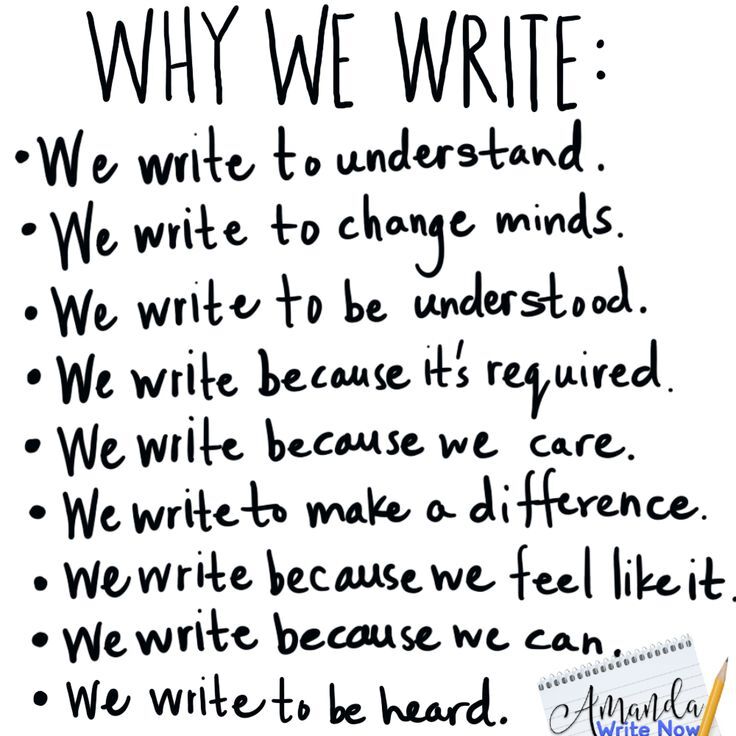
The process of revising and editing is a crucial step in writing a compelling memoir or personal essay. This phase is where a writer refines their narrative, enhancing clarity, coherence, and emotional impact. Engaging in thorough revisions allows authors to elevate their work, ensuring that their unique voice and story resonate with the reader.A systematic approach to revising drafts helps to bring out the best in your writing.
The following steps provide a guideline to refine your memoir or personal essay effectively.
Step-by-Step Approach to Revising Drafts
Revising requires a meticulous evaluation of your work. Here is a structured approach:
- Take a Break: After completing your draft, allow yourself some time away from the text. This break enables a fresh perspective when you return to it.
- Read Aloud: Hearing your words can highlight awkward phrasing and areas needing improvement.
- Evaluate Structure: Assess the overall structure of your essay or memoir. Ensure that your narrative flows logically and that each section serves a purpose.
- Focus on Clarity: Identify sentences or passages that may be unclear. Aim for straightforward language and remove unnecessary jargon.
- Enhance Descriptions: Enrich your narrative with vivid descriptions and sensory details that draw readers into your world.
- Check for Consistency: Ensure that character voices, timelines, and events remain consistent throughout your work.
- Seek Feedback: Sharing your draft with trusted peers or writing groups can provide valuable insights and different perspectives.
- Final Proofreading: Conduct a thorough check for grammatical errors, punctuation issues, and typos. This final touch is essential for a polished piece.
Common Pitfalls to Avoid During the Editing Phase
While revising is essential, certain common pitfalls can hinder the effectiveness of your editing process. Being aware of these can help you navigate this phase more successfully:
“Editing is not just about correcting mistakes; it’s also about enhancing the story and ensuring clarity.”
Some pitfalls to avoid include:
- Holding on to Unnecessary Details: Avoid the temptation to include every detail. Stick to what advances your narrative.
- Over-editing: Striving for perfection can lead to excessive revisions that may dilute the original voice of your work.
- Ignoring Feedback: Dismissing constructive criticism can prevent you from improving your work further.
- Editing in Isolation: Revising without outside perspective can limit your ability to see flaws or areas for improvement.
Checklist for Self-Editing Personal Essays and Memoirs
Utilizing a checklist during self-editing can streamline the process and ensure no essential elements are overlooked. The following checklist serves as a guide to reviewing your work comprehensively:
- Have I clarified my main theme or message?
- Is the narrative structure logical and engaging?
- Are the characters developed and authentic?
- Have I used varied sentence structures and vocabulary?
- Are the transitions between paragraphs smooth?
- Have I eliminated redundancy and unnecessary details?
- Is my tone appropriate for the intended audience?
- Have I adhered to grammatical rules and punctuation?
Publishing Your Memoir or Essay

The journey of writing a memoir or personal essay culminates in the crucial step of publishing. Understanding how to effectively share your story with a wider audience is imperative for any aspiring author. This section delves into the necessary steps to prepare your manuscript for submission to publishers, the benefits and drawbacks of self-publishing versus traditional publishing, and the essential factors to consider when selecting a literary agent.
Preparing Your Manuscript for Submission
Before submitting your manuscript, it is essential to ensure that your work is polished and professionally presented. This preparation not only increases your chances of acceptance but also reflects your commitment to the craft. Key steps in this process include:
- Final Editing: Conduct thorough proofreading to eliminate grammatical errors and inconsistencies. Consider hiring a professional editor who specializes in memoirs or essays to provide valuable feedback.
- Formatting: Adhere to standard manuscript formatting guidelines, which typically include double-spacing, a readable font (such as Times New Roman), and proper margins.
- Query Letter: Draft a compelling query letter that succinctly summarizes your memoir or essay, highlighting its unique aspects and your qualifications as the author.
- Synopsis: Create a concise synopsis that Artikels the main themes and story arc of your memoir or essay, giving potential agents or publishers a clear understanding of your work.
- Submission Guidelines: Research and follow the specific submission guidelines of the publishers or literary agents you are targeting, as these can vary widely.
Self-Publishing versus Traditional Publishing
When considering how to publish your memoir or essay, it is important to weigh the pros and cons of both self-publishing and traditional publishing. Each route has distinct advantages and challenges that can influence your decision.
- Self-Publishing:
- Pros: Allows for complete creative control, faster publication process, and higher royalty rates.
- Cons: Requires authors to manage all aspects of publishing, including marketing, which can be time-consuming and complex.
- Traditional Publishing:
- Pros: Offers professional support in editing and marketing, provides broader distribution channels, and lends credibility to your work through established publishing houses.
- Cons: Typically involves a lengthy submission process, loss of some creative control, and lower royalty rates compared to self-publishing.
Choosing a Literary Agent
Selecting a literary agent can significantly impact your publishing journey. An effective agent will not only help you navigate the complexities of the publishing industry but will also advocate for your work. Key factors to consider when choosing a literary agent include:
- Experience and Track Record: Research agents who have successfully represented memoirs or personal essays similar to your work, as their experience will be invaluable.
- Interests and Preferences: Review the agent’s submission guidelines and preferences to ensure that your writing style and genre align with their interests.
- Communication Style: Evaluate how agents communicate with clients and their responsiveness to inquiries, as a good working relationship is critical.
- Contract Terms: Examine the terms of representation, including commission rates and length of contract, to ensure they are fair and transparent.
- Reputation: Seek recommendations from other authors and conduct online research to assess the agent’s reputation in the literary community.
Marketing and Sharing Your Story
In today’s digital landscape, effectively marketing and sharing your memoir or personal essay is crucial for reaching a broader audience and making an impact. The strategies you implement can significantly enhance your visibility and engagement with potential readers. This section will explore practical approaches to promote your work and establish a meaningful connection with your audience.
Effective Strategies for Promoting Your Memoir or Personal Essay
Utilizing a variety of promotional strategies can help you effectively market your memoir or personal essay. Some of the most impactful methods include:
- Author Website: Establish a professional author website that showcases your biography, writing, and excerpts from your memoir or essays. This serves as a central hub for your online presence.
- Book Launch Events: Organize launch events, either virtual or in-person, to celebrate the release of your memoir. This can create excitement and provide a platform for interaction with your readers.
- Collaborations: Partner with other authors or influencers within your genre for joint promotions. Collaborations can expand your reach and introduce your work to new audiences.
- Book Clubs: Engage with local or online book clubs. Offer to host discussions or Q&A sessions, allowing readers to delve deeper into your narrative.
- Press Releases: Craft and distribute press releases to local newspapers and literary magazines to announce your book launch, highlighting its themes and significance.
Utilizing Social Media and Author Platforms
Social media platforms offer powerful tools for connecting with readers and sharing your story. The following strategies can enhance your online presence and expand your audience:
- Content Sharing: Regularly share excerpts from your memoir or personal essays, insights into your writing process, and personal anecdotes on platforms like Facebook, Twitter, and Instagram.
- Engagement: Actively engage with your followers by responding to comments, asking for their thoughts, and creating polls related to your themes.
- Visual Content: Incorporate visually appealing content, such as videos or images that resonate with your writing. Consider creating book trailers that capture the essence of your memoir.
- Author Platforms: Utilize author-focused platforms, such as Goodreads, to connect with readers, share reviews, and participate in discussions relevant to your genre.
- Hashtags and Trends: Keep an eye on trending topics and hashtags relevant to your memoir or essays. Engaging with these can increase your visibility and attract new readers.
Engaging with Readers and Building a Community
Creating a sense of community around your writing fosters loyalty and engaging relationships with your readers. Here are effective ways to build this community:
- Newsletter: Start a newsletter to share updates about your writing, events, and exclusive content, such as behind-the-scenes looks at your writing journey.
- Online Discussion Groups: Consider forming or joining online discussion groups where readers can discuss themes in your memoir or personal essays, encouraging deeper engagement.
- Virtual Events: Host regular virtual events, such as readings or discussions, where readers can engage directly with you and explore the themes of your work.
- Feedback Opportunities: Invite readers to share their thoughts on your work and provide feedback. This can deepen their investment in your story and create a dialogue.
- Reader Challenges: Create challenges or prompts related to your memoir’s themes that encourage readers to share their experiences, fostering a community of shared narratives.
Closure

In conclusion, mastering the craft of memoir and personal essay writing not only enables you to share your unique story but also fosters connections with readers through shared experiences and emotions. By following the structured approach Artikeld, you will be well-equipped to navigate the challenges of writing and ultimately present a narrative that captivates and inspires your audience.