Delving into How to Write a Great First Chapter for Any Genre, this discussion invites aspiring authors to understand the pivotal role the first chapter plays in capturing reader interest. A strong opening not only engages potential readers but also establishes the tone and direction of the entire narrative. By exploring essential elements and techniques, writers can craft beginnings that resonate with audiences and set the stage for their stories.
The initial chapter serves as a gateway, where the blend of character, setting, and conflict introduces readers to the world within the pages. It is here that writers must strike a balance between intrigue and clarity, ensuring that the opening lines of their stories beckon readers to turn the page and discover what lies ahead.
Understanding the Importance of the First Chapter
The first chapter of a book serves as a critical gateway into the narrative, capturing the reader’s attention and setting the stage for the unfolding story. It is not merely an introduction; it is a vital component that shapes the reader’s expectations and emotional response to the book. A well-crafted first chapter can draw in readers, making them eager to delve deeper into the narrative.The significance of the first chapter extends beyond mere engagement; it has profound psychological implications for potential readers.
A compelling opening can create a sense of intrigue and curiosity, compelling readers to invest their time in the story. When readers find themselves captivated by the initial lines, a connection is established that encourages them to continue exploring the characters and plot. Moreover, the first chapter plays a pivotal role in defining the overall tone of the book, laying the groundwork for the themes, pacing, and emotional landscape that will be encountered throughout the narrative.
The Role of the First Chapter in Reader Engagement
An effective first chapter engages readers through various mechanisms that foster a lasting connection with the text. The following elements are essential in achieving this engagement:
- Hook: A strong opening line or scenario can immediately intrigue readers, prompting them to ask questions and seek answers as they proceed.
- Character Introduction: Presenting relatable or intriguing characters at the outset helps establish emotional investment, making readers care about their journeys.
- Setting the Scene: Vivid descriptions of the setting can immerse readers in the world of the story, enhancing their visualization and emotional connection.
- Conflict Introduction: Introducing a central conflict or challenge early on creates tension and stakes that propel the narrative forward.
- Establishing Voice: The narrative voice and style introduced in the first chapter influence readers’ perceptions and expectations, foreshadowing how the story will unfold.
By strategically employing these elements, authors can create an engaging first chapter that not only captures attention but also resonates with readers on a deeper level.
The first chapter is not just a prologue; it is the invitation for readers to embark on a journey that they hope will be worth their investment of time and emotion.
The psychological impact of a well-constructed first chapter cannot be overstated. It forms the initial impression of the writing quality, storytelling ability, and overall coherence of the work. A strong opening instills confidence in readers, making them more likely to continue reading. Conversely, a weak or confusing first chapter can lead to disengagement, with readers abandoning the book in search of a more compelling narrative.In conclusion, the importance of the first chapter lies in its power to engage readers emotionally, set the tone for the entire book, and establish the groundwork for a memorable reading experience.
By mastering the art of crafting a captivating first chapter, authors can significantly enhance their chances of success in reaching and resonating with their audience.
Identifying Key Elements of a Great First Chapter
The first chapter of a narrative serves as the cornerstone of the reader’s experience, setting the tone for the entire story. It is vital to include essential components that captivate the reader’s attention and provide a solid foundation for the unfolding tale. The strategic inclusion of key elements will not only enhance the reader’s engagement but also shape their understanding of the narrative landscape.Establishing a well-crafted first chapter involves several critical components, including character introduction, development, and a vivid setting.
Each of these elements plays a significant role in immersing the reader into the world of the story, thus paving the way for an impactful reading journey.
Essential Components of a First Chapter
To create a compelling first chapter, certain essential components should be incorporated. These components work in harmony to hook the reader and introduce the story’s trajectory. The following list Artikels these key elements:
- Engaging Hook: The first line or paragraph should captivate the reader’s attention, often presenting a conflict or intriguing scenario.
- Character Introduction: Introduce the protagonist and key characters, providing glimpses into their personalities or motivations.
- Setting Establishment: Create a vivid backdrop that situates the characters within a specific time and place relevant to the story.
- Tone and Style: Develop a narrative voice that reflects the genre and sets expectations for tone throughout the work.
- Conflict Introduction: Present the central conflict or challenge that will drive the narrative forward, enticing readers to continue.
- World-Building Elements: If applicable, incorporate elements of world-building that hint at the broader context of the story’s universe.
Character Introduction and Development in the Opening
Character introduction in the first chapter is crucial as it establishes an emotional connection between the reader and the characters. The way characters are presented can influence reader investment in their journeys.Effective character development should strive to reveal essential traits and motivations. Introducing the protagonist’s desires, fears, and unique challenges allows readers to relate to them on a deeper level.
For instance, consider a character who is faced with a moral dilemma; this not only adds complexity but also invites readers to engage with their internal conflict.Character interactions also serve to highlight relationships, giving depth to the narrative. The dynamics between characters can foreshadow future developments and conflicts, enhancing reader anticipation.
Establishing the Setting Effectively
The setting serves as the backdrop against which the story unfolds, greatly influencing mood and context. Establishing this effectively can draw readers into the narrative world.To create a vivid setting, consider the following elements:
- Descriptive Language: Use sensory details to paint a picture of the environment, allowing readers to visualize the scene.
- Historical Context: If relevant, provide information about the time period or cultural background that informs the story’s atmosphere.
- Emotional Resonance: Align the setting with the emotional tone, whether it be a bustling city reflecting excitement or a quiet countryside suggesting tranquility.
- Character Interaction with Setting: Show how characters interact with their surroundings, which can enhance both character development and setting immersion.
Techniques for Captivating Openings
The first chapter of any literary work serves as the reader’s initial entry point into the narrative, making it crucial to employ effective techniques that can capture interest immediately. A captivating opening not only sets the tone for the story but also piques curiosity, compelling readers to continue exploring the pages that follow. This section will delve into various methods for creating engaging first chapters, focusing on narrative styles that can elevate the opening, along with examples drawn from different genres.
Methods for Starting with a Hook
Creating an effective hook is essential for drawing readers into a story. The following techniques can significantly enhance the impact of a first chapter:
- Start with a Provocative Statement: An intriguing assertion can stimulate the reader’s mind and provoke thought. For instance, “The last person to see him alive was standing right next to me.” This line creates immediate tension and raises questions.
- Introduce a Compelling Character: Presenting a unique character right away invites readers to invest in their journey. For example, “As she adjusted her glasses, the world around her faded to a dull blur—except for him.” This makes the reader curious about the character’s perspective and relationships.
- Set an Unusual Scene: Beginning with a vivid description of an unusual setting can evoke strong imagery. For instance, “The moon hung low over the abandoned carnival, its eerie glow casting shadows that danced like memories long forgotten.” This draws readers into a rich visual landscape.
Narrative Styles That Enhance the Opening
The choice of narrative style can significantly influence how captivating the opening of a chapter is. Different styles can evoke various emotions and engage readers in distinct ways.
- First-Person Perspective: This style allows readers to experience the story intimately through the eyes of the protagonist, creating a sense of immediacy. An example is, “I still remember the day the world changed, a day when everything I knew was erased in an instant.”
- Second-Person Perspective: Although less common, this narrative style pulls readers into the story, making them feel as if they are part of the action. An opening line might read, “You wake up to find the city shrouded in silence, an unsettling calm before the storm.”
- Third-Person Omniscient: This approach allows for a broad perspective on various characters and events, creating anticipation. An example would be, “Little did they know, as they gathered for what they thought was just another ordinary meeting, that destinies were about to collide in the most extraordinary way.”
Examples of Effective Opening Lines
Effective opening lines can be found across various genres, each serving to draw readers into distinct worlds. Here are examples demonstrating the diversity of captivating beginnings:
- Fantasy: “In a realm where shadows breathed and stars whispered secrets, the fate of the kingdom rested on the shoulders of a lost girl.” This line establishes a fantastical setting and raises stakes immediately.
- Science Fiction: “The day the machines began to think was the day humanity lost its grip on reality.” This premise creates intrigue and sets the stage for conflict.
- Romance: “She had never believed in love at first sight until he walked into the coffee shop, laughter trailing behind him like a scent.” This line establishes emotional connection instantaneously.
Creating a Compelling Main Character
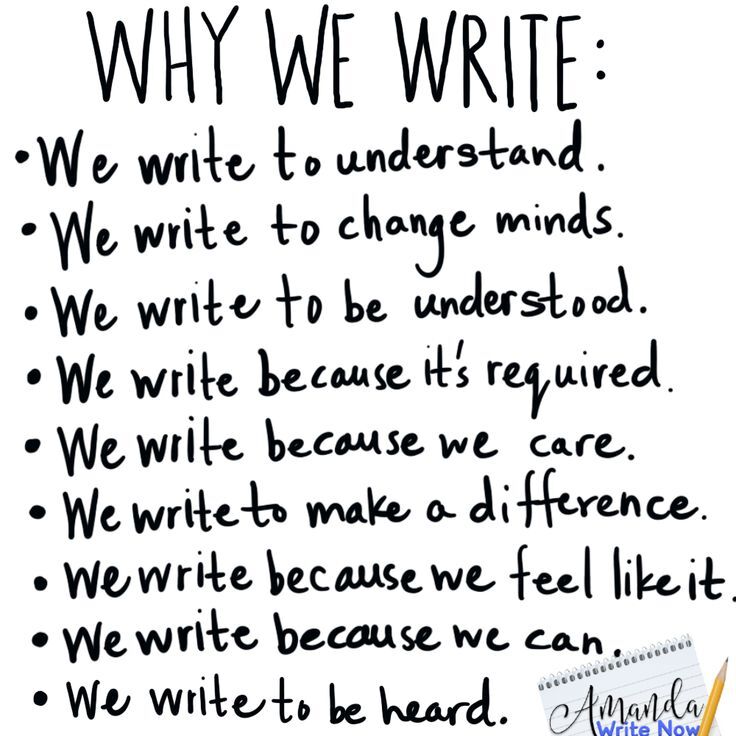
The main character serves as the heart of any narrative. A compelling protagonist not only drives the story forward but also engages the reader on a personal level. Establishing a relatable main character in the first chapter is crucial, as it sets the tone for the reader’s investment in the storyline. In this section, we will delve into effective strategies for crafting a protagonist that resonates with readers, revealing their motivations early on, and building empathy from the very first page.
Strategies for Crafting a Relatable Protagonist
Creating a protagonist that readers can connect with is essential for a captivating story. Relatability often stems from shared human experiences and emotions. Consider the following strategies:
- Flawed Characteristics: Introduce your main character with imperfections that echo real-life struggles, making them more human and relatable.
- Universal Desires: Present desires or goals that align with common human experiences, such as love, acceptance, or success, which can foster an immediate connection.
- Distinctive Voice: Employ a narrative voice that reflects the character’s personality, allowing readers to hear their thoughts and emotions directly, thus enhancing relatability.
- Vivid Backstory: Offer glimpses into the character’s past that inform their current behavior and decisions, creating depth that readers can engage with.
Character Motivations and Early Revelation
Understanding a character’s motivation is vital for the audience’s connection to them. Revealing these motivations early in the story helps establish a framework for their actions throughout the narrative. Here are ways to effectively convey motivations:
- Opening Scene Context: Use the first chapter to place your character in a situation that highlights their goals and desires, providing context for their journey.
- Internal Conflict: Showcase the character’s internal struggles and dilemmas, which can reveal their motivations and make them more relatable.
- Interactions with Others: Let interactions with secondary characters illustrate the protagonist’s desires and drive, providing insight into their motivations.
- Clear Stakes: Establish what the character stands to gain or lose early on, creating urgency that propels them forward and engages the reader.
Building Empathy for the Main Character
Empathy is essential for readers to fully invest in a character’s journey. Building this empathy from the outset can be achieved through several techniques:
- Vulnerability: Expose your character’s fears, doubts, or insecurities, allowing readers to see their human side and relate to their circumstances.
- Relatable Reactions: Ensure that your character’s responses to challenges are authentic and mirror how real people behave in similar situations, fostering a deeper connection.
- Emotional Backdrop: Create an emotional context that resonates with the reader, whether it be loss, hope, or ambition, which can foster empathy.
- Active Choices: Illustrate the character making choices that reflect their values and motivations, allowing readers to root for their success.
Setting the Scene: World-Building Essentials

The first chapter is pivotal not only for introducing characters and plot but also for establishing the world in which the story unfolds. Effective world-building invites readers into a vivid and immersive environment, allowing them to engage with the narrative on a deeper level. This section explores how to introduce your setting without overwhelming the reader, emphasizing sensory details to create an immersive experience, and examining effective techniques employed in various genres.To successfully set the scene without inundating the reader with excessive information, it is crucial to weave elements of the world into the narrative organically.
This can be achieved by integrating world-building details throughout dialogue, character interactions, and actions. Rather than presenting a lengthy exposition, consider revealing the setting through the characters’ perspectives and experiences, allowing readers to discover the world gradually.
Integration of Sensory Details
Sensory details play a vital role in crafting an immersive experience for readers. By appealing to sight, sound, smell, taste, and touch, writers can evoke strong imagery that brings the setting to life. Utilizing these senses in descriptive passages fosters a connection between the reader and the narrative. For instance, rather than simply stating that a character enters a bustling marketplace, consider portraying the scene with sensory-rich language:
“As Maya stepped into the marketplace, the air was thick with the aroma of spices, vibrant colors danced before her eyes, and the cacophony of merchants shouting their wares filled her ears, creating a symphony of life and energy.”
This approach not only paints a vivid picture but also enables readers to feel as though they are experiencing the setting alongside the characters.Real-world examples of effective world-building techniques can be found across various genres. In fantasy literature, J.R.R. Tolkien’s “The Hobbit” introduces Middle-earth through Bilbo’s journey, embedding rich descriptions of the Shire that hint at its culture, history, and geography.
In contrast, in contemporary fiction, authors like Zadie Smith utilize urban settings by carefully selecting details that reflect the social dynamics and cultural diversity of metropolitan life, effectively grounding the story in a recognizable reality.By incorporating sensory details and allowing the setting to unfold naturally through character interactions, writers can create a compelling world that captivates readers from the very first chapter.
Establishing Conflict and Stakes

The introduction of conflict within the first chapter is critical in captivating the reader’s attention and setting the stage for the narrative journey. Establishing both conflict and stakes early on not only engages the audience but also compels them to invest emotionally in the story and its characters. A well-defined conflict serves as the driving force that propels the plot, while the stakes clarify what is at risk, creating urgency and tension.Central conflicts can be introduced in various ways, often through an inciting incident that disrupts the protagonist’s ordinary life.
This moment serves as a catalyst for the events that follow, providing readers with an immediate understanding of the challenges the main character will face. The stakes must be clearly established to further engage readers; they should be convinced that the outcomes of these conflicts matter significantly.
Methods for Introducing Conflict
To effectively introduce the central conflict, several methods can be utilized:
- Inciting Incident: This initial event is crucial for establishing the conflict. For instance, in J.K. Rowling’s “Harry Potter and the Sorcerer’s Stone,” the arrival of Harry’s acceptance letter to Hogwarts abruptly changes his mundane life, igniting the central conflict related to his identity and destiny.
- Character Dialogue: Engaging conversations between characters can hint at underlying tensions. In “Pride and Prejudice” by Jane Austen, dialogues between Elizabeth Bennet and Mr. Darcy reveal societal conflicts and personal prejudices, setting the stage for the romantic tension that follows.
- Character Actions: A character’s actions can reflect inner conflicts. The protagonist’s decision to stand against a bully in “The Hate U Give” by Angie Thomas showcases their struggle with identity and justice, immediately immersing the reader in the character’s plight.
Establishing Stakes
Once the conflict is introduced, it is essential to firmly establish the stakes involved. Stakes can take various forms, including personal loss, societal repercussions, or moral dilemmas. The clearer the stakes, the more invested the reader will become in the outcome of the conflict.
- Personal Stakes: Highlighting what the protagonist stands to lose can create a more profound emotional connection. In “The Fault in Our Stars” by John Green, Hazel’s battle with cancer brings about stakes that are not only life-threatening but also deeply personal, as she navigates love and loss.
- Societal Stakes: Conflicts that have broader implications can resonate on a larger scale. “The Hunger Games” by Suzanne Collins presents a dystopian world where the stakes are life and death, not only for the protagonist, Katniss Everdeen, but for her entire society, making the conflict feel urgent and significant.
- Moral Stakes: Introducing ethical dilemmas can elevate the tension of the conflict. In “To Kill a Mockingbird” by Harper Lee, Atticus Finch’s defense of an innocent man against racial prejudice raises moral stakes that challenge societal norms, compelling readers to reflect on justice and morality.
“Conflict is the engine of the narrative, and stakes are the fuel that keeps it running.”
Maintaining Pacing and Flow
The first chapter of a novel serves as the gateway to a story, setting the tone and capturing the reader’s imagination. One of the crucial elements in writing an effective first chapter is maintaining pacing and flow. Proper pacing ensures that the narrative unfolds at a rhythm that keeps readers engaged, while a well-structured flow guides them seamlessly from one idea to the next.
Achieving the right balance between action and exposition is vital, as it prevents the narrative from becoming monotonous or overwhelming.Pacing involves controlling the speed at which a story progresses, a skill that can significantly impact a reader’s experience. In the first chapter, it’s essential to strike a balance that propels the narrative forward while providing necessary context and background information.
This can be accomplished through a careful blend of dialogue, action, and exposition. A dynamic pace can heighten tension and excitement, while a more measured pace allows for character development and world-building, both of which are essential to engage the reader fully.
Balancing Action and Exposition
Finding the right balance between action and exposition is key to maintaining an engaging pace. An overemphasis on exposition may lead to a sluggish chapter, while excessive action can leave readers feeling disoriented. Here are effective techniques to achieve this balance:
- Start with Action: Begin the chapter with an intriguing action sequence or a dramatic moment that captivates the reader’s attention immediately. This method creates a sense of urgency and compels readers to continue.
- Incorporate Dialogue: Use natural dialogue to convey important information without the need for lengthy exposition. Conversations between characters can reveal backstory and character motivations while keeping the pace brisk.
- Use Short Paragraphs: Short, punchy paragraphs can enhance the speed of the narrative. They help create a sense of urgency and make the text visually less daunting for readers.
- Interweave Background Information: Instead of providing all necessary background in one go, sprinkle it throughout the action. This technique allows readers to absorb world-building details without interrupting the flow of the story.
- Vary Sentence Length: Use a mix of short, impactful sentences and longer, descriptive ones. Short sentences can quicken the pace during intense moments, while longer ones can provide depth and detail when necessary.
Maintaining reader interest is paramount in the first chapter. It is essential to keep the audience invested in the narrative. Here are several tips to enhance reader engagement throughout the opening:
- Establish a Strong Hook: An intriguing opening line or scenario can act as a hook that piques the reader’s curiosity and compels them to keep reading.
- Create Vivid Imagery: Utilize descriptive language to paint a detailed picture of the setting and characters. Engaging the reader’s senses can enhance their connection to the story.
- Introduce Compelling Questions: Presenting intriguing questions or dilemmas early on can stimulate readers’ minds and encourage them to seek answers as they continue reading.
- Maintain a Sense of Forward Momentum: Ensure that each sentence and paragraph advances the story. Avoid unnecessary detours that could distract from the central narrative.
- End with a Cliffhanger: Conclude the first chapter with a compelling moment of tension or mystery that encourages readers to turn the page and discover what happens next.
Genre-Specific Considerations

The first chapter of any novel serves as a critical gateway to the story, and its structure can significantly differ across genres. Understanding these differences is essential for writers aiming to meet the expectations of their readers. Each genre possesses unique conventions that can influence the tone, pacing, and character development introduced in the opening chapter. Writers must be attuned to these nuances to effectively draw their audience into their narratives.In fiction, elements such as tone, pacing, and character introduction can vary greatly depending on the genre.
For instance, a thriller demands immediate tension and suspense, while a romance may focus more on character emotions and relationship dynamics right from the start. To ensure that the first chapter aligns with reader expectations, writers must consider the following genre conventions:
Key Genre Conventions
Understanding genre conventions can help in crafting an engaging first chapter. Here are some considerations specific to popular genres:
- Fantasy: The opening often establishes the world-building elements and introduces magical systems. Readers expect rich descriptions and a sense of adventure. A classic example is J.K. Rowling’s “Harry Potter and the Sorcerer’s Stone,” where the reader is introduced to a magical world right from the beginning.
- Science Fiction: Sci-fi typically requires an explanation of futuristic technology or alien cultures. The opening should set the stage for the speculative elements while still relating to human experiences. Isaac Asimov’s “Foundation” series often begins with complex societal structures that intrigue the reader.
- Romance: The first chapter usually focuses on character development and the dynamics of relationships. The emotional stakes should be evident early on. For instance, Jane Austen’s “Pride and Prejudice” introduces the main characters and their societal challenges almost immediately.
- Thriller: A thriller’s first chapter must hook the reader with suspense or an immediate conflict. The use of a gripping opening line is vital. In Gillian Flynn’s “Gone Girl,” the first chapter sets a tense atmosphere that keeps readers on edge.
- Mystery: The opening should present a puzzle or hint at the central conflict. Intriguing questions are raised to engage readers. Arthur Conan Doyle’s “A Study in Scarlet” begins with a mysterious case that captures attention instantly.
Writers should recognize that each genre carries its own expectations, which can dictate the opening’s tone, pacing, and content style. By aligning the first chapter with these conventions, authors can create a compelling entry point that resonates with their target audience and paves the way for the story to unfold effectively.
Revising and Polishing the First Chapter
The process of revising and polishing the first chapter of a manuscript is crucial for setting the right tone and engagement level for readers. This phase allows writers to refine their initial ideas, ensuring that the chapter not only attracts attention but also clearly conveys the intended message. An effective revision can transform a good opening into a memorable one, establishing a strong foundation for the rest of the story.One essential step in this process is to create a checklist for revising the first chapter.
This checklist serves as a practical guide to enhance clarity and impact, ensuring that no critical element is overlooked during revision. Consider the following points when revising:
Checklist for Revising the First Chapter
In revising the first chapter, it is important to address specific elements systematically. This checklist can help writers evaluate the effectiveness of their work:
- Clarity of Purpose: Ensure that the purpose of the chapter is clear and aligns with the overall narrative direction.
- Character Introduction: Confirm that the main character is introduced effectively, showcasing their motivations and traits.
- Setting: Evaluate if the setting is vividly described and integral to the story, providing context for the reader.
- Conflict Establishment: Identify if the conflict or central challenge is introduced promptly and compellingly.
- Pacing: Review the pacing of the chapter to maintain reader interest without overwhelming them with information.
- Language and Style: Assess whether the language used is appropriate for the genre and resonates with the target audience.
- Grammar and Syntax: Conduct a thorough check for grammatical errors, awkward phrasing, and punctuation issues.
It is also beneficial to be aware of common pitfalls that writers often encounter when crafting their first chapters. Recognizing these can prevent potential distractions for readers and enhance the overall quality of the narrative.
Common Pitfalls to Avoid in the First Chapter
Many writers inadvertently fall into traps that can diminish the impact of their first chapter. Some common pitfalls include:
- Excessive Backstory: Avoid overwhelming readers with too much background information; it is better to reveal it gradually.
- Weak Hook: Failing to create an engaging opening line or scene can lead to a lack of reader interest.
- Overly Complex Language: Using convoluted sentences or jargon can alienate readers; simplicity often aids clarity.
- Unfocused Narrative: Straying from the main plot or introducing unrelated subplots can confuse readers.
- Static Characters: Characters that do not exhibit any action or emotion can fail to engage readers effectively.
In addition to revising the text itself, seeking feedback is a critical element in polishing the first chapter. Constructive criticism can offer new perspectives and insights that enhance the narrative.
Tips for Seeking Feedback on the Opening Section
Gathering feedback on the first chapter requires a thoughtful approach to ensure the insights received are valuable. Here are some effective strategies:
- Identify Target Readers: Share the chapter with individuals who represent your target audience, focusing on those familiar with the genre.
- Join Writing Groups: Participate in writing workshops or online forums to exchange chapters and receive diverse feedback.
- Be Specific About Feedback: When requesting reviews, ask for particular aspects to be evaluated, such as character development or pacing.
- Consider Professional Critiques: Hiring a professional editor or literary agent can provide expert insights that elevate the work.
- Be Open and Receptive: Approach feedback with an open mind, recognizing that revision is integral to the writing process.
In summary, revising and polishing the first chapter requires a structured approach that incorporates checklists, awareness of pitfalls, and thoughtful feedback gathering. By focusing on these elements, writers can significantly enhance the clarity and impact of their first chapter, paving the way for a compelling narrative.
Conclusion
In conclusion, mastering the art of writing a great first chapter is an invaluable skill for any writer looking to captivate their audience. By focusing on key elements such as character development, world-building, and the establishment of conflict, authors can create engaging openings that lay the groundwork for their narratives. As you embark on your writing journey, remember that a compelling first chapter not only draws readers in but also invites them to explore the depths of your storytelling.