How to Create a Style Sheet for Your Novel serves as a crucial guide for writers seeking to enhance their storytelling through structured organization. A style sheet not only aids in maintaining consistency across character and setting descriptions but also acts as a roadmap for the overall narrative. By meticulously detailing elements such as character profiles, setting specifics, and stylistic choices, authors can create a cohesive and engaging reading experience.
This guide Artikels the essential components of a style sheet, including character motivations, setting details, and the importance of tone consistency. With practical tips and templates, writers will learn how to effectively document their creative process, ensuring that every element of their novel aligns harmoniously.
Understanding the Purpose of a Style Sheet
A style sheet is a vital tool for novel writers, serving as a comprehensive guide to the elements that define their narrative universe. By creating a style sheet, an author ensures that characters, settings, and stylistic choices are documented and consistent throughout the writing process. This consistency not only enhances the quality of the work but also allows for a more immersive experience for the reader.The significance of a style sheet lies in its ability to maintain uniformity in character and setting descriptions.
This is particularly important in longer works, where continuity can easily be disrupted. A well-structured style sheet acts as a reference point, helping the author avoid discrepancies that may arise from the complexities of crafting a novel. The elements that should be included in a style sheet encompass various aspects of the narrative, such as character biographies, physical descriptions, key location details, and stylistic choices unique to the author.
Essential Elements of a Style Sheet
In order to create an effective style sheet, certain key elements must be included. These components serve as the foundation for maintaining a coherent and engaging narrative. The following elements should be thoughtfully documented:
- Character Profiles: Detailed descriptions of each character, including their names, ages, physical attributes, personality traits, and significant backstory elements.
- Setting Descriptions: Comprehensive details about the various locations within the novel, including geographical features, cultural aspects, and historical context.
- Timeline of Events: A chronological Artikel of major plot points and events that occur in the story, which helps to keep the narrative flow consistent.
- Dialogue Style: Notes on how characters speak, including regional dialects, slang, and catchphrases that define individual voices.
- Key Themes and Motifs: An Artikel of the central themes, symbols, and motifs that are pivotal to the storytelling, providing a framework for deeper literary analysis.
- Stylistic Choices: Specifications for language use, tone, and pacing, ensuring that the author’s unique voice is preserved throughout the text.
Creating a comprehensive style sheet enhances the writing process and can significantly reduce the likelihood of inconsistencies, thereby enriching the reader’s experience. By diligently maintaining this document, authors can focus on crafting their stories without the worry of conflicting details or character discrepancies.
Essential Components of a Style Sheet

A style sheet is a vital tool for any novelist, serving as a comprehensive reference that maintains consistency throughout the storytelling process. By defining key elements and ensuring uniformity, a style sheet enables authors to focus on their creative writing without losing track of the finer details.One of the fundamental aspects of a style sheet includes detailed character profiles and setting descriptions, which assists writers in maintaining character consistency and ensuring that the world they create remains coherent throughout the narrative.
These components are not only helpful for the author but also enrich the reading experience by providing a well-rounded view of the characters and their environments.
Character Profiles and Setting Details
Character profiles should encompass a variety of traits and descriptions that create a vivid image in the writer’s mind. Important elements to include are the character’s name, age, occupation, personality traits, and physical attributes. Below is a structured way to format these traits effectively:
- Name: Jane Doe
- Age: 28
- Occupation: Detective
- Personality Traits: Analytical, introverted, determined
- Physical Description: 5’6″, athletic build, shoulder-length brown hair, green eyes
Setting details are equally important, as they provide the backdrop against which the story unfolds. When documenting settings, consider including the following information:
- Location: Small town of Maplewood
- Time Period: 2023
- Key Features: A quaint main street, a river running through the town, and a historical library.
Incorporating vivid descriptions can enhance the reader’s imagination. For instance, the library could be described as “an ancient building with towering shelves filled with dusty tomes, the scent of aged paper lingering in the air.”
Common Literary Devices
In addition to character and setting details, including a list of literary devices in your style sheet can help in crafting a layered narrative. These devices can add depth and resonance to your storytelling. Below is a selection of commonly used literary devices to consider:
- Metaphor: A figure of speech that compares two unlike things, enhancing understanding.
- Alliteration: The repetition of consonant sounds at the beginning of words, creating rhythm.
- Foreshadowing: Hints or clues about what will happen later in the story.
- Symbolism: The use of symbols to signify ideas and qualities, giving deeper meanings.
- Imagery: Descriptive language that appeals to the senses, helping readers visualize scenes.
By incorporating these elements into your style sheet, you can ensure that your novel maintains a consistent tone and style, making the writing process smoother and more enjoyable.
Having a well-defined style sheet is akin to having a roadmap for your novel, guiding you through the intricate paths of your story.
Creating Character Profiles
Character profiles are essential tools for writers, providing a comprehensive overview of each character’s attributes, motivations, and development throughout the narrative. By crafting detailed profiles, authors can ensure consistency in character portrayal and deepen the reader’s engagement with the story. A well-constructed character profile serves as a reference point, streamlining the writing process and enhancing the overall cohesiveness of the plot.Establishing a character profile requires careful consideration of several elements, including basic traits, background, and character arcs.
By employing a structured template, writers can efficiently organize and detail their characters. Below is a suggested template for creating character profiles, along with tips for elaborating on character motivations and arcs.
Character Profile Template
Using a standardized template allows for uniformity and clarity across character profiles. The following categories are recommended for inclusion:
| Attribute | Description |
|---|---|
| Name | The full name of the character including any aliases. |
| Age | The character’s age at the time of the story. |
| Physical Description | A brief overview of the character’s appearance, including height, build, hair color, and distinguishing features. |
| Background | A summary of the character’s history, including upbringing and significant past events that shaped them. |
| Personality Traits | A breakdown of the character’s key traits, including both strengths and weaknesses. |
| Motivations | What drives the character’s actions and decisions throughout the narrative. |
| Character Arc | The transformation the character undergoes over the course of the story. |
| Relationships | Key relationships with other characters, including dynamics and significance. |
To enhance the richness of character profiles, it is crucial to delve deeply into character motivations and arcs. Consider the following tips:
- Identify core values: Understanding what a character truly believes in will clarify their motivations and decisions, allowing for more authentic behavior throughout the story.
- Consider external influences: A character’s environment and relationships can significantly shape their motivations. Reflect on how these factors contribute to their goals and challenges.
- Artikel the character’s journey: Map out the transformation the character undergoes. This includes their initial state, the events that catalyze change, and the final outcome of their journey.
- Ensure internal conflict: A well-rounded character often grapples with internal struggles that drive their development. Highlight these conflicts within the character arc to add depth.
To illustrate relationships between characters, creating a relational chart can be beneficial. This allows for a visual and organized comparison of how characters interact with each other, revealing alliances, conflicts, and dynamics.
| Character 1 | Character 2 | Relationship Type | Key Dynamics |
|---|---|---|---|
| Protagonist | Antagonist | Conflict | Rivalry; opposing goals |
| Protagonist | Mentor | Guidance | Supportive; teaches skills |
| Protagonist | Love Interest | Romantic | Mutual attraction; emotional growth |
Creating detailed character profiles enhances the richness of your novel. By carefully considering motivations, character arcs, and relationships, you can construct multidimensional characters that resonate with readers and drive your narrative forward.
Organizing Setting Details
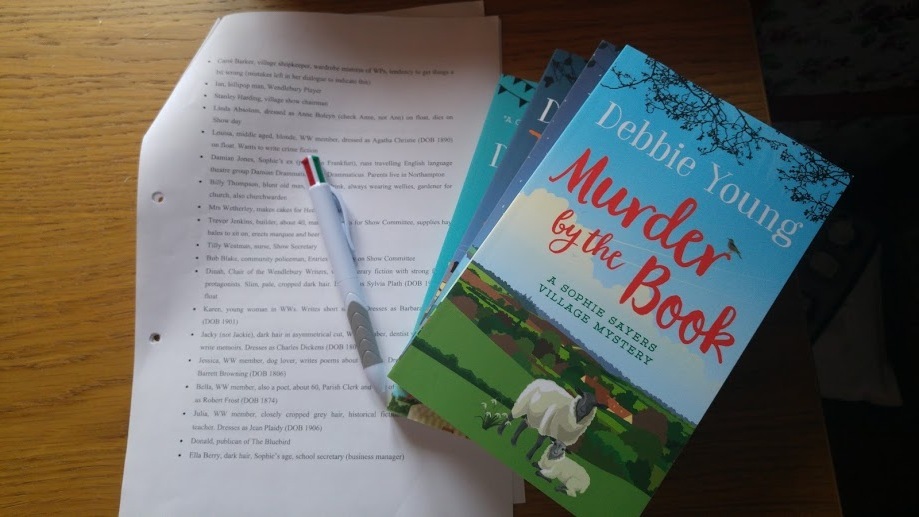
The setting of a novel plays a crucial role in establishing the atmosphere, influencing character behaviors, and enhancing plot development. A well-organized style sheet for settings allows authors to ensure consistency and depth in their narrative environments. By carefully documenting setting details, writers can create immersive worlds that resonate with readers and support the thematic elements of their stories.To effectively organize setting details, consider structuring your documentation to include various elements that capture the essence of each location.
This approach not only aids in maintaining continuity throughout the narrative but also enriches the reader’s experience by providing a vivid backdrop for the unfolding story. Key components to include are sensory details, historical context, and visually descriptive language.
Documenting Settings
Creating a comprehensive documentation structure for your settings involves several essential elements. Below are important factors to consider when compiling details about each location:
- Name of the Setting: Clearly identify the name or title of the location to avoid confusion.
- Geographical Context: Describe the physical location, including its geographical features, climate, and any pertinent maps or visuals.
- Sensory Details: Incorporate descriptions that engage the five senses (sight, sound, smell, taste, touch) to evoke vivid imagery in the reader’s mind. For example, a bustling marketplace might be characterized by the vibrant colors of produce, the cacophony of vendors calling out, and the rich aroma of spices wafting through the air.
- Historical Context: Provide background information that gives depth to the setting. This could include significant events that occurred in the location, cultural implications, and how history shapes current dynamics within the story.
- Emotional Tone: Define the mood associated with each setting. This helps establish how characters might feel in that environment, whether it be comfort, tension, or nostalgia.
- Key Features: List important landmarks, buildings, or other notable aspects that contribute to the uniqueness of the setting. For example, a towering castle might symbolize power and isolation, affecting character interactions.
Descriptive language serves as a powerful tool in presenting the visual aspects of settings. By using vivid adjectives and strong imagery, writers can paint a clear picture that transports readers into the world of the novel. For instance, instead of simply stating “the forest was dark,” a more evocative description would be “the ancient trees loomed overhead, their twisted branches shrouded in an unsettling darkness, casting eerie shadows on the forest floor.”In summary, organizing setting details within a style sheet is fundamental to nurturing a cohesive and engaging narrative.
By documenting the sensory experiences, historical backgrounds, and visually rich descriptions of each setting, authors can craft immersive worlds that enhance their storytelling.
Consistency in Tone and Style
Maintaining a consistent tone and style throughout a novel is essential for creating a seamless reading experience. A well-structured style sheet serves as a vital tool in achieving this consistency, guiding the writer in making deliberate choices that reflect the intended emotional and thematic nuances of the narrative. By documenting specific stylistic elements, authors can ensure that their voice remains cohesive, regardless of the complexities introduced by various characters and scenes.To maintain a consistent tone, it is crucial to define the overarching voice of the narrative within the style sheet.
This includes identifying key characteristics that reflect the genre, target audience, and emotional undertones of the story. Examples of stylistic choices that should be documented in the style sheet include:
Key Stylistic Choices to Document
The inclusion of particular stylistic choices in the style sheet can greatly enhance the uniformity of tone throughout the novel. Documenting these choices allows writers to reference them consistently during the writing process. The following elements should be clearly articulated:
- Vocabulary Level: Specify the level of formality or informality appropriate for the narrative style, including the use of jargon, colloquialisms, and regional dialects.
- Sentence Structure: Artikel preferred sentence lengths and structures, indicating whether the style should favor complex or simple constructions to match the tone.
- Figurative Language: Identify the extent and type of figurative language to be used, such as metaphors, similes, or personification, to evoke specific emotions.
- Dialogue Style: Provide guidelines on how characters should speak, reflecting their background, personality, and relationship dynamics.
Adjusting voice based on different characters or scenes is also a critical aspect of maintaining overall consistency while allowing for necessary variation. Writers should employ specific strategies Artikeld in the style sheet to ensure that the unique voice of each character aligns with the overall narrative tone.
Strategies for Adjusting Voice
When developing characters, it is important to recognize that each one may require a distinct voice that reflects their individual experiences and perspectives. However, this should not compromise the overall consistency of the novel. Consider the following strategies:
- Character Profiles: Establish detailed profiles for each character, including their background, motivations, and speech patterns, to inform their unique voices.
- Scene Context: Adapt the tone based on the emotional weight or intensity of particular scenes, adjusting the language and style accordingly while keeping the overall voice consistent.
- Emotional Resonance: Ensure that the emotional undertones of each character’s dialogue align with the central themes of the story, reinforcing the narrative’s tone.
- Feedback and Revision: Engage beta readers or critique partners to assess whether the tone remains consistent. Their insights can help identify discrepancies that may arise from character-specific choices.
By integrating these principles into the style sheet, writers can navigate the complexities of character development and scene variation while ensuring that the narrative voice remains cohesive and engaging.
Updating and Revising the Style Sheet
As your novel progresses, the necessity to update and revise the style sheet becomes paramount. An evolving narrative may introduce new characters, settings, or shifts in tone, requiring corresponding adjustments to ensure consistency and clarity throughout the text. The style sheet should be a living document that reflects the current state of your manuscript, allowing you to maintain coherence in your writing.The process of updating a style sheet involves regularly reviewing its contents and incorporating any changes that may arise as the plot and characters develop.
This ensures that all elements of your story align with the original vision and remain consistent. By revisiting the entries periodically, you can identify areas that may require refinement or further detail, while also tracking the growth of your novel’s universe.
Tracking Changes and Additions to the Style Sheet
Establishing a method for tracking changes and additions to your style sheet is essential for maintaining an organized approach to your revisions. This process not only aids in managing updates but also serves as a valuable resource for reflection on the development of your narrative.Consider implementing the following strategies for effective tracking:
- Date and Versioning: Include a date next to each entry to mark when it was last updated. Additionally, assign version numbers to your style sheet, revising the number each time significant changes are made. This practice allows for easy reference to previous iterations.
- Change Log: Maintain a separate section or document that serves as a log of changes made to the style sheet, detailing what was altered, added, or removed, along with the rationale for the change. This log will provide insight into your creative process over time.
- Highlighting Revisions: Use color-coding or bold text to highlight new entries or changes within the style sheet itself. This visual distinction can facilitate quicker reviews and make it easier to spot updates at a glance.
- Periodic Reviews: Schedule regular intervals to review your style sheet comprehensively. This could be monthly or at key milestones in your writing process. During these reviews, assess whether all entries still align with the narrative’s direction.
Incorporating these methods will enhance your ability to manage the evolving landscape of your novel while ensuring that your style sheet remains an effective tool throughout your writing journey.
Tools and Resources for Creating a Style Sheet
Creating a style sheet for your novel can be significantly enhanced through the use of various tools and resources. These innovations not only simplify the process but also ensure that your style sheet remains organized, comprehensive, and easily accessible. By leveraging technology and literature, authors can create a robust framework that supports their narrative consistency and character development.A variety of software and online tools are available to assist writers in the creation and maintenance of style sheets.
These tools can streamline the organization of information and ensure easy updates. Here are some notable options:
Software and Tools for Style Sheet Creation
The following tools are recognized for their effectiveness in helping authors develop and maintain style sheets:
- Scrivener: This comprehensive writing software allows writers to create character profiles, setting details, and notes all in one place. Its organizational features can help keep style sheets easily accessible.
- Google Docs: A collaborative platform that enables co-authors to work on a shared style sheet in real-time. Its commenting feature also enhances communication regarding style decisions.
- Microsoft Word: With its extensive formatting options, Word allows authors to create detailed style sheets, utilizing tables, bullet points, and various formatting styles to maintain clarity.
- Evernote: This note-taking application is useful for capturing character sketches and setting descriptions. Its tagging and search features facilitate easy retrieval of information.
- Notion: A versatile workspace that combines notes, databases, and task management. Notion’s customizable templates can be tailored to fit the specific requirements of a style sheet.
In addition to software, numerous resources can provide guidance for creating effective style sheets. Books and websites dedicated to writing craft can offer insights into best practices and common pitfalls. Notable resources include:
Books and Websites for Style Sheet Guidance
The following references are valuable for authors seeking to enhance their understanding of style sheets:
- “The Elements of Style” by William Strunk Jr. and E.B. White: While primarily a grammar guide, this classic work emphasizes the importance of clarity and consistency, foundational principles for any style sheet.
- Writer’s Digest: This website offers articles and tutorials on writing craft, including the development of style sheets and related resources.
- The Chicago Manual of Style: A comprehensive reference for grammar, punctuation, and style considerations, useful for authors to standardize their approach.
- NaNoWriMo (National Novel Writing Month): Their website features resources and community support for writers, including discussions about maintaining consistency in writing.
Collaborative tools play a crucial role for writing teams working on shared projects. These platforms foster communication and ensure that all authors are aligned in their stylistic choices.
Benefits of Collaborative Tools for Shared Style Sheets
Using collaborative tools can greatly enhance the process of creating and maintaining a shared style sheet. Here are some key advantages:
- Real-time Collaboration: Authors can work simultaneously, making immediate updates and adjustments to the style sheet, which fosters greater cohesion.
- Improved Communication: Comments and suggestions can be easily provided, ensuring that all team members have a voice in style decisions.
- Version Control: Many collaborative platforms automatically save changes, allowing authors to track revisions over time and revert if necessary.
- Accessibility: Cloud-based tools enable access to the style sheet from any location, ensuring that all authors can reference it whenever needed.
Concluding Remarks
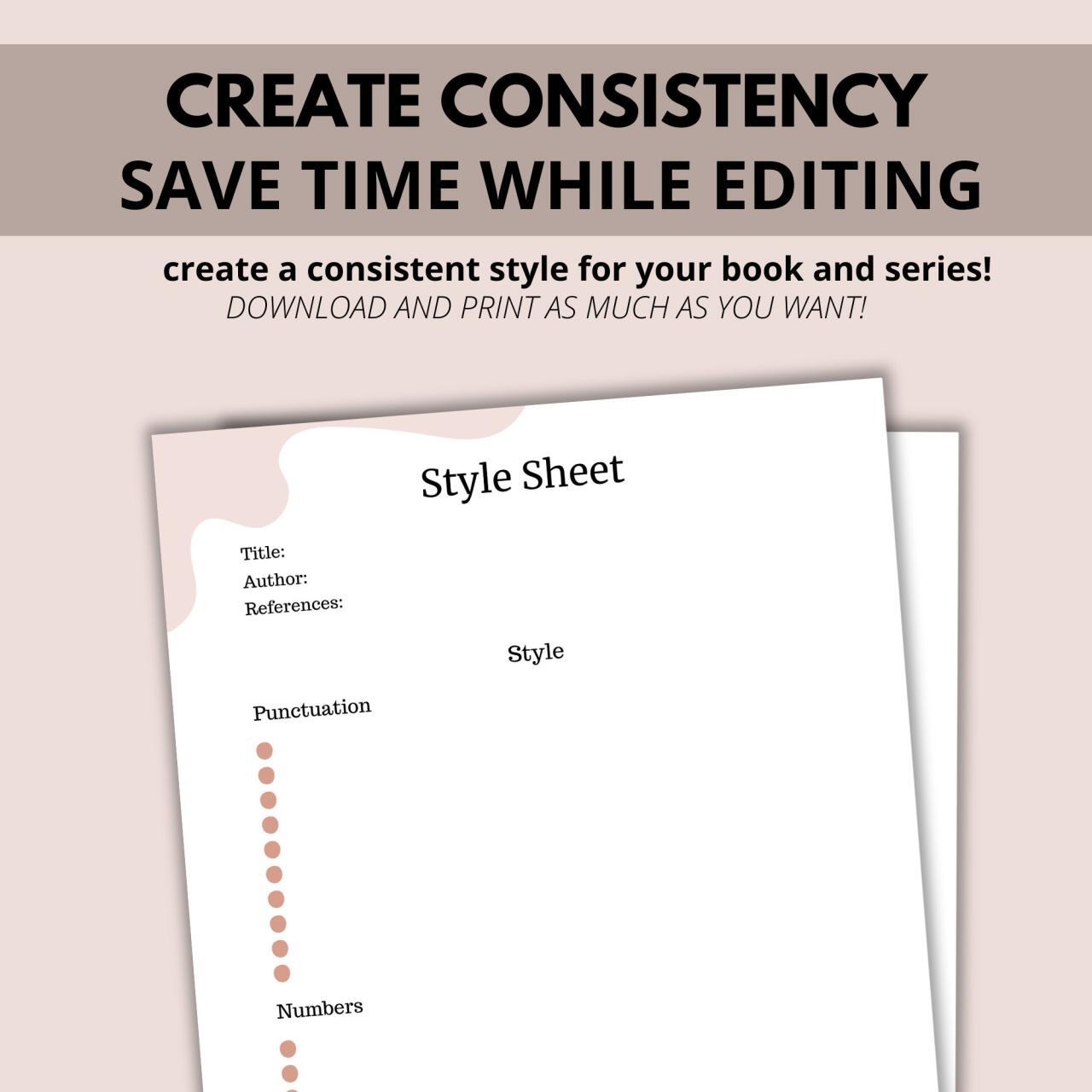
In conclusion, mastering the art of creating a style sheet for your novel is an invaluable step towards producing a polished and engaging story. By utilizing the components discussed, such as character and setting documentation, authors can streamline their writing process and enhance the narrative’s depth. As you embark on this journey, remember that a well-crafted style sheet not only benefits you as a writer but also enriches the reader’s experience.