How to Edit Your Own Work Like a Professional Editor opens the door to mastering the vital art of self-editing, an essential skill for any writer aspiring to produce polished and impactful work. This journey not only enhances the clarity and coherence of your writing but also equips you with the tools to understand the intricate editing process, enabling you to refine your drafts effectively.
Editing is not merely a task to finalize a manuscript; it is an integral part of the writing journey that involves a thorough understanding of developmental editing, copyediting, and proofreading. By setting yourself up for success with the right tools and techniques, you can transform your writing into a professional-quality piece, ready for your audience.
Understanding the Editing Process
Editing is a crucial phase in the writing journey, serving as the bridge between the initial draft and the polished final product. The editing process not only enhances clarity and coherence but also ensures that the writer’s ideas are effectively communicated to the intended audience. Through meticulous revision, an editor can elevate the writing, transforming it into a compelling and professional piece.The editing process can be segmented into three distinct types, each serving a unique purpose in refining a document.
Understanding these types is essential for writers who wish to edit their own work like a professional editor.
Types of Editing
Editing encompasses several types, each focusing on different aspects of a manuscript. The primary types of editing include developmental editing, copyediting, and proofreading. Each type plays a pivotal role in the overall editing process.
- Developmental Editing: This type involves a comprehensive review of the manuscript’s structure, content, and flow. Developmental editors assess the overall narrative, ensuring that plot, characters, and arguments are well-developed and logically organized. Feedback at this stage may include suggestions for expanding or condensing sections, enhancing character arcs, or improving thematic elements.
- Copyediting: Copyediting focuses on the technical aspects of writing. This includes grammar, punctuation, style consistency, and overall readability. Copyeditors ensure that the text adheres to specific style guides, checking for clarity and correcting any errors that may detract from the reader’s experience. This phase is critical for refining the manuscript’s voice and ensuring professionalism.
- Proofreading: Proofreading is the final step in the editing process, concentrating on surface errors. It involves a meticulous review of the text to catch any typographical errors, formatting inconsistencies, or minor grammatical mistakes that may have slipped through earlier editing phases. Proofreading ensures that the final product is polished and ready for publication.
The roles of a writer and an editor are distinct yet complementary. Writers are tasked with the creation of content, bringing ideas to life through words. They focus on the message, creativity, and expression. In contrast, editors serve as the critical evaluators, enhancing the writer’s work by scrutinizing it for clarity, coherence, and correctness. While the writer’s voice is paramount, the editor’s role is to ensure that this voice resonates effectively with the audience.
“An editor is not just a critic but a collaborator, working alongside the writer to elevate the quality of the work.”
Setting Yourself Up for Success
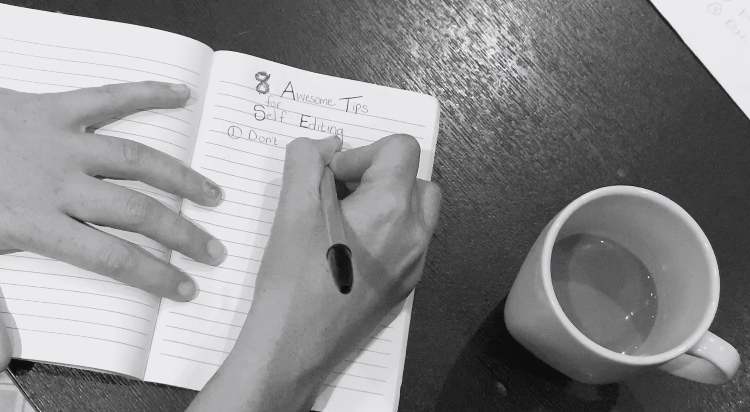
Preparing to self-edit your work requires a thoughtful approach and the right tools. Setting yourself up for success can significantly impact the effectiveness of the editing process. By organizing your resources and workspace, you can foster a conducive environment that promotes focused and effective editing.
Identify the Tools and Resources Necessary for Self-Editing
The selection of appropriate tools can streamline the editing process and enhance your productivity. Consider the following essential resources that can aid in self-editing:
- Writing Software: A reliable word processor such as Microsoft Word, Google Docs, or Scrivener provides essential features for editing, including spell check, grammar suggestions, and formatting options.
- Editing Tools: Utilize online platforms like Grammarly or Hemingway Editor, which offer insights into grammar, readability, and style.
- Style Guides: Familiarize yourself with established style guides like the Chicago Manual of Style or APA Style, which provide rules and standards for writing and editing.
- Reference Books: Keep a thesaurus, dictionary, and grammar handbook at hand for quick consultations to ensure accurate usage and clarity.
Create a Checklist for Initial Self-Review Before Editing
An initial self-review can set the foundation for a more effective editing process. Establish a checklist that encapsulates key aspects of your work to evaluate before diving into detailed editing. The following checklist can be invaluable:
- Content Relevance: Ensure that the main ideas and arguments are clear and relevant to the intended audience.
- Structure and Flow: Check for logical progression of ideas and ensure that paragraphs transition smoothly.
- Clarity and Conciseness: Identify sentences that may be overly complex or verbose; aim for clarity and brevity.
- Consistency in Style: Verify that formatting, tone, and terminology remain consistent throughout the document.
Organize a Workspace Conducive to Focused Editing
A well-organized workspace can enhance concentration and efficiency during the editing process. Consider these elements to create an optimal editing environment:
- Minimize Distractions: Choose a quiet area, free from interruptions, to maintain focus on your task.
- Comfort and Ergonomics: Arrange your chair and desk ergonomically to ensure comfort during long editing sessions.
- Lighting: Ensure your workspace has adequate lighting to reduce eye strain and maintain alertness.
- Organization Tools: Use folders, binders, or digital organization tools to keep your materials sorted and easily accessible.
Techniques for Effective Editing
Editing is a crucial stage in the writing process, as it significantly enhances the clarity, coherence, and overall quality of a text. Employing effective editing techniques can transform a rough draft into a polished piece, making it more engaging and accessible for readers. This section explores essential strategies for effective editing, ensuring that your work communicates its intended message clearly and professionally.
Reading for Clarity and Coherence
An effective approach to editing begins with reading the text for clarity and coherence. This process involves evaluating the logical flow of ideas, ensuring that each paragraph transitions smoothly to the next, and confirming that the main argument is presented in a clear and concise manner. To enhance clarity and coherence, consider the following steps:
- Read the text aloud: Hearing the words can reveal awkward phrasing or unclear passages that may not be evident during silent reading.
- Identify key themes: Highlight the main ideas of each paragraph to ensure they align with the overall purpose of the document.
- Check for logical progression: Verify that each point builds upon the previous one, creating a cohesive narrative throughout the piece.
Identifying and Fixing Grammar Errors
Grammar errors can undermine the professionalism of your writing. Therefore, implementing strategies to identify and correct these mistakes is vital.Utilize the following methods to enhance grammatical accuracy:
- Employ grammar-checking tools: Software applications can help detect common errors, such as subject-verb agreement and punctuation misuse.
- Review common grammar rules: Familiarizing yourself with grammar essentials can aid in recognizing errors you may otherwise overlook.
- Seek peer feedback: A fresh set of eyes can catch mistakes you might miss after becoming too familiar with your text.
Improving Sentence Structure and Flow
The construction of your sentences significantly affects the readability of your work. Improving sentence structure and flow can create a more engaging experience for your readers.Consider these techniques for enhancing your sentence composition:
- Vary sentence length: Mixing short, impactful sentences with longer, descriptive ones can maintain reader interest and improve overall flow.
- Eliminate unnecessary words: Strive for conciseness by removing redundant phrases that do not add value to your message.
- Utilize active voice: Active voice generally makes sentences clearer and more direct, thus enhancing the impact of your writing.
Effective editing is not merely about finding errors; it is about sharpening your writing to ensure clarity, coherence, and engagement.
Revising Content for Impact

Revising content for impact involves meticulous attention to the introduction and conclusion of a piece, ensuring that the tone and style remain consistent throughout the work, and restructuring paragraphs to enhance clarity and engagement. This process is essential for capturing the reader’s attention and leaving a lasting impression.
Enhancing Introductions and Conclusions
A well-crafted introduction and conclusion serve as the bookends of any written work, guiding the reader into and out of the content effectively. To enhance the introduction, it is beneficial to start with a hook—a compelling fact, a thought-provoking question, or an anecdote that resonates with the reader’s experiences. This initial engagement can be further strengthened by clearly outlining the main themes or objectives of the work.Similarly, the conclusion should not merely reiterate the main points but should instead synthesize the information presented, offering insights or a call to action that encourages the reader to reflect or act upon the knowledge gained.
For instance, a conclusion might summarize key findings and then provoke thought about future implications or applications of the content discussed.
“Effective introductions and conclusions can elevate the reader’s experience, making the content memorable and impactful.”
Tone and Style Consistency
Maintaining a consistent tone and style throughout the work is crucial for establishing credibility and enhancing readability. The tone should align with the intended audience; for example, a formal tone may be appropriate for academic writing, while a more conversational tone could suit a blog post aimed at a general audience. To achieve this consistency, it is advisable to create a style guide that Artikels preferred terminology, sentence structure, and formatting choices.
Consistent use of these elements not only helps in maintaining a uniform voice but also reinforces the author’s identity and brand.
Restructuring Paragraphs for Better Impact
Restructuring paragraphs can significantly improve the flow and impact of the writing. Each paragraph should begin with a clear topic sentence that encapsulates its main idea, followed by supporting sentences that provide evidence or elaboration. This organizational framework ensures that each paragraph serves its purpose effectively.For example, consider a paragraph initially structured as follows:”Many people enjoy reading. Reading has numerous benefits.
It can enhance vocabulary and improve comprehension.”This can be restructured for better impact:”Reading is a beloved pastime for many, offering not only enjoyment but also significant cognitive benefits. Engaging with texts enhances vocabulary and improves comprehension skills, making it a valuable activity for personal growth.”By leading with a strong topic sentence and providing elaboration, the revised paragraph captures attention and communicates the idea more effectively.
Seeking Feedback
Feedback is a vital component of the editing process, enabling you to refine your work and enhance its overall quality. Engaging with beta readers and understanding how to receive and incorporate critiques can significantly improve your manuscript. This section delves into effective strategies for finding beta readers, providing and receiving constructive criticism, and incorporating feedback into your edits.
Finding Beta Readers
Identifying beta readers who can provide valuable insights into your writing is crucial. These individuals should represent your target audience and possess a genuine interest in your genre. To effectively find beta readers, consider the following approaches:
- Join writing groups and forums where writers share their work and seek feedback. Online platforms such as Scribophile, Wattpad, and Goodreads can connect you with potential beta readers.
- Utilize social media to reach out to your network. Platforms like Twitter, Facebook, or Instagram can be effective for announcing your search for beta readers.
- Attend local writing workshops or book clubs to engage with fellow writers and readers who may be interested in providing feedback on your work.
- Offer an incentive for beta readers, such as a free copy of your finished book or acknowledgment in your work, to encourage participation and commitment.
Guidelines for Giving and Receiving Constructive Criticism
Creating an environment conducive to constructive criticism is imperative for effective feedback exchange. Establish guidelines that facilitate this process, ensuring both parties understand how to communicate critiques positively and productively. Key points include:
- When giving feedback, focus on specific aspects of the work, such as character development, plot coherence, or pacing, rather than general impressions.
- Encourage openness by expressing the intention behind the feedback. Highlight that the goal is to help improve the manuscript, not to discourage the writer.
- When receiving feedback, practice active listening. Resist the urge to defend your work immediately; instead, take notes and ask clarifying questions to fully understand the critique.
- Show appreciation for the feedback given, regardless of its nature. Acknowledging the effort put into reading and reviewing your work fosters goodwill and encourages future collaboration.
Incorporating Feedback Effectively
Integrating feedback into your editing process requires a systematic approach to ensure that the critiques enhance your manuscript. The following methods can help you incorporate feedback effectively:
- Review all feedback thoroughly and categorize it into actionable items. Distinguish between major issues that require significant changes and minor suggestions that can enhance clarity or polish.
- Develop an editing plan that prioritizes areas requiring substantial revisions, while also addressing stylistic or grammatical issues highlighted in the feedback.
- Test the feedback by implementing changes in a small section of your manuscript first. This allows you to evaluate the effectiveness of the suggestions without overwhelming yourself.
- Maintain a feedback log, documenting the critiques received and the changes made. This record can serve as a reference for future revisions and help track your growth as a writer.
Finalizing Your Manuscript
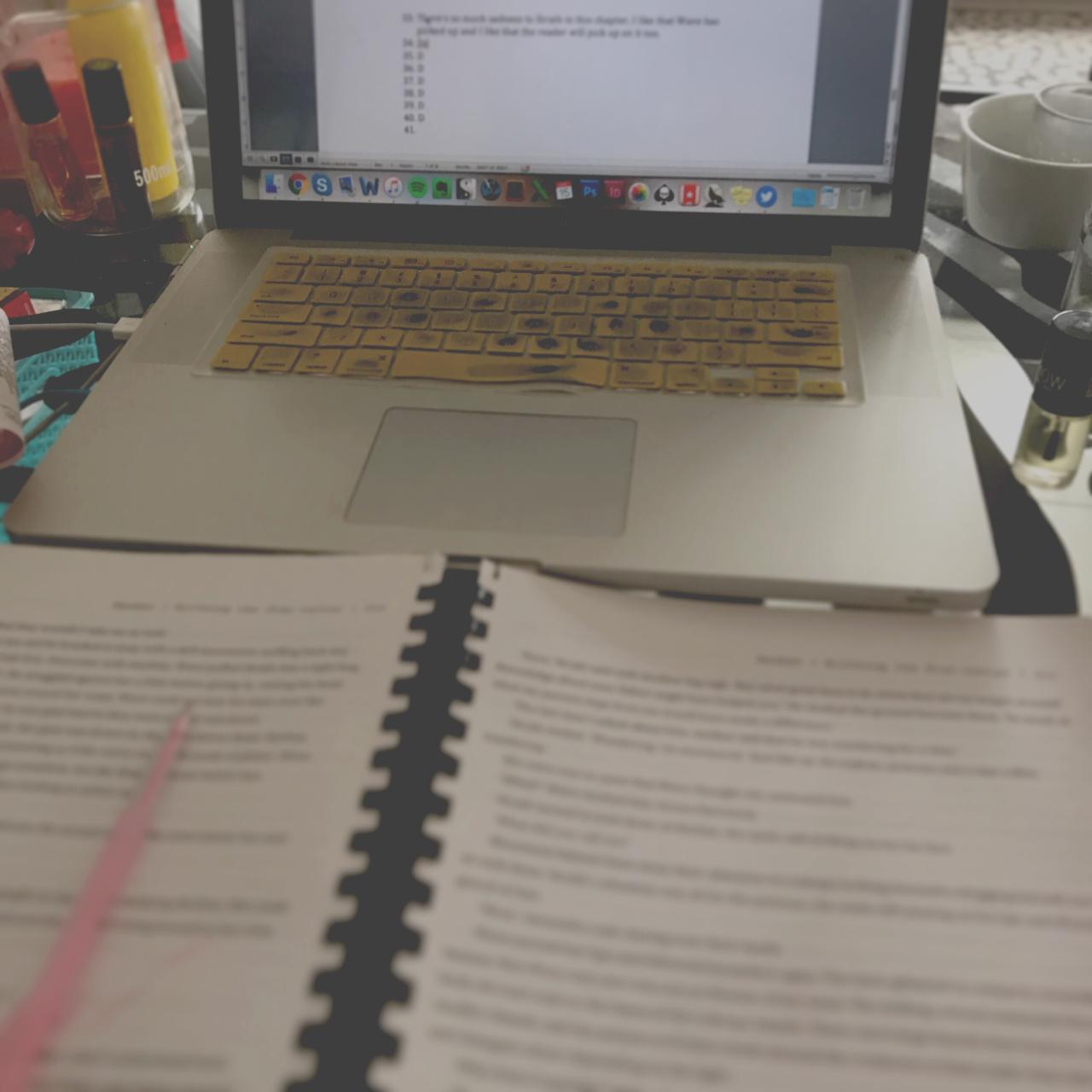
Finalizing your manuscript is a critical phase that ensures your work is polished and ready for publication. This stage involves meticulous attention to detail, as the effectiveness of your writing can significantly influence how it is received by your audience. A well-prepared manuscript reflects professionalism and dedication to your craft.
Final Proofreading Steps Checklist
Having a comprehensive checklist for final proofreading can greatly enhance the quality of your manuscript. This ensures that all aspects are thoroughly reviewed before submission. Below is a checklist to guide you through this essential process:
- Review spelling, grammar, and punctuation thoroughly.
- Check for consistent use of terminology and style throughout the manuscript.
- Examine the clarity of each paragraph and transition between ideas.
- Ensure that all citations and references are formatted correctly according to the required style guide.
- Verify that the title, headings, and subheadings are correctly formatted and consistent.
- Check for any missing or misplaced images, tables, or figures, ensuring they are clearly labeled and referenced in the text.
- Read the manuscript aloud to catch awkward phrasing or unclear sentences.
- Seek a fresh set of eyes; have someone else read through the manuscript to catch errors you may have overlooked.
Importance of Formatting and Layout
The formatting and layout of your manuscript play a pivotal role in its overall presentation and readability. Proper formatting not only aids in the aesthetic appeal of the document but also contributes to the clarity of the content. Key elements of formatting include:
- Consistent font type and size throughout the document, typically using a readable font like Times New Roman or Arial in size 12 pt.
- Appropriate margins and line spacing to enhance readability, usually 1-inch margins and 1.5 line spacing.
- Clear headings and subheadings that guide the reader through the sections of the manuscript.
- Page numbers in the header or footer to maintain organization and ease of navigation.
- Correct alignment of paragraphs, ensuring that indentation and spacing are uniform.
Preparing a Document for Submission or Publication
The process of preparing your manuscript for submission or publication requires careful consideration of guidelines provided by publishers or journals. Each publication may have specific requirements that must be adhered to ensure acceptance. Essential steps in this process include:
- Reviewing the submission guidelines provided by the publisher or journal for manuscript formatting, word count, and required documentation.
- Compiling supplementary materials such as cover letters, abstracts, and author biographies, if necessary.
- Ensuring that all figures and tables are included in the manuscript and properly labeled as per the guidelines.
- Double-checking that all permissions for copyrighted material have been obtained and documented.
- Saving the final version of the manuscript in the required file format, typically PDF or Word document, ensuring that all formatting remains intact upon submission.
“A polished manuscript not only reflects your hard work but also respects the time and effort of your readers and reviewers.”
Continuous Improvement in Editing Skills
To achieve excellence in editing, one must recognize that this is a skill that can be honed and refined over time. Regular practice and a willingness to learn are essential for enhancing one’s editing capabilities. This section explores various strategies for practicing editing skills, identifies valuable resources for further learning, and highlights common pitfalls that editors should strive to avoid.
Practicing Editing Skills Regularly
Consistent practice is vital for anyone seeking to improve their editing skills. Engaging in regular editing exercises can sharpen one’s eye for detail and enhance overall effectiveness. Here are several methods to incorporate editing practice into your routine:
- Daily Writing and Editing: Set aside time each day to write and subsequently edit your work. This routine fosters both creativity and critical assessment skills.
- Peer Review Sessions: Join a writing group where members can share their work and provide feedback on each other’s pieces. This collaborative environment encourages fresh perspectives.
- Editing Challenges: Participate in online editing challenges or contests that prompt you to edit a piece within a set time frame. This not only builds speed but also sharpens your editing instincts.
- Rewrite Existing Texts: Take published articles or short stories and edit them. Consider how you might improve clarity, coherence, and style while maintaining the original intent.
Resources for Learning Editing Techniques
Expanding your knowledge about editing can significantly enhance your abilities. There are numerous resources dedicated to the art of editing, including books, online courses, and workshops. These resources provide valuable insights and practical techniques.
- Books: Look for well-regarded texts, such as “The Elements of Style” by Strunk and White, which lays foundational principles for clarity and conciseness.
- Online Courses: Platforms like Coursera and Udemy offer specialized courses in editing that cover various aspects from grammar to structural editing.
- Editing Blogs and Websites: Follow respected editing blogs such as The Editor’s Blog or resources provided by the American Society of Journalists and Authors (ASJA).
- Webinars and Workshops: Attend webinars hosted by professional editing organizations that focus on contemporary editing practices and industry standards.
Avoiding Common Editing Pitfalls
Mistakes in the editing process can lead to oversights that compromise the quality of a manuscript. Recognizing these common pitfalls allows editors to approach their work with greater awareness and precision.
- Lack of Distance: Editors often make the mistake of editing their own work too soon after writing it. Taking a break before editing can provide a fresh perspective on the material.
- Overlooking Small Details: Minor errors, such as typos or punctuation mistakes, can detract from the overall quality. Implementing a systematic approach to proofreading can help catch these issues.
- Ignoring the Audience: Failing to consider the target audience can result in content that does not resonate. Understanding the audience’s needs is essential for effective editing.
- Editing in Isolation: Working in a vacuum can limit the perspective gained from feedback. Regularly seeking input from other editors or writers can lead to richer, more nuanced edits.
“Editing is not just about correcting; it’s about enhancing the clarity and impact of the message.”
Conclusive Thoughts
In conclusion, the journey of editing your own work is one of continuous improvement and learning. By embracing feedback, utilizing effective techniques, and finalizing your manuscript with care, you empower yourself to elevate your writing. Remember, the path to becoming a proficient editor of your own work is paved with practice, patience, and a commitment to excellence.