How to Vary Your Sentence Structure for Better Readability invites you to explore the essential elements that contribute to engaging and effective writing. Mastering sentence structure is pivotal in enhancing readability and ensuring that your audience remains captivated by your message. Through an examination of various sentence types and their impact on reader engagement, we uncover the profound benefits of a well-structured text.
This discussion will guide you through understanding the components of sentence structure, the importance of variation, and practical techniques to implement in your writing. By delving into tools and resources, as well as analyzing published works, you will gain valuable insights into avoiding common mistakes and refining your writing style.
Understanding Sentence Structure
Understanding sentence structure is fundamental to enhancing readability and clarity in writing. An effective sentence not only conveys meaning but also engages the reader. By exploring the components of sentence structure, writers can manipulate their sentences to create varied rhythms that keep readers interested.Sentence structure consists of several key components, primarily involving subjects, predicates, and objects. The subject is the main focus of the sentence, the predicate expresses what happens to the subject, and the object is the recipient of the action.
Mastering these elements allows writers to construct sentences that are both clear and compelling.
Types of Sentence Structures
There are four primary types of sentence structures: simple, compound, complex, and compound-complex. Each structure serves a distinct purpose and can be utilized to achieve specific effects in writing. Understanding these types is crucial for varying sentence construction and improving overall readability.
- Simple Sentence: A simple sentence contains a single independent clause, expressing a complete thought with a subject and a predicate.
This structure is straightforward, making it easy for readers to grasp the main idea.
Example: The cat sleeps.
- Compound Sentence: A compound sentence consists of two or more independent clauses joined by a coordinating conjunction (for, and, nor, but, or, yet, so).
It allows writers to connect related ideas, creating a more complex thought.
Example: The cat sleeps, and the dog barks.
- Complex Sentence: A complex sentence features one independent clause and at least one dependent clause.
This structure adds depth to writing by incorporating additional information and subordinate ideas.
Example: The cat sleeps while the dog barks.
- Compound-Complex Sentence: A compound-complex sentence contains at least two independent clauses and one or more dependent clauses.
This structure is beneficial for conveying intricate ideas and relationships between concepts.
Example: The cat sleeps, and the dog barks when the mailman arrives.
Importance of Varying Sentence Structure
Varying sentence structure is a fundamental aspect of effective writing that significantly enhances readability and engagement. A diverse approach to constructing sentences not only helps to maintain the reader’s interest but also improves the overall clarity of the content. By integrating a mix of short, long, simple, and complex sentences, writers can create a dynamic flow that captivates audiences.The benefits of employing varied sentence structures are manifold.
Primarily, it contributes to better readability, as a consistent pattern can lead to monotony, making the text tedious to read. For instance, a passage composed exclusively of short, choppy sentences may convey urgency but can quickly become dull. Conversely, an overabundance of complex, lengthy sentences may confuse the reader. By skillfully alternately utilizing different structures, writers can engage their audience more effectively, making the text enjoyable and comprehensible.
Effects of Monotony in Sentence Structure
Monotony in sentence structure can detrimentally affect reader engagement. When writing lacks variation, it tends to create a rhythm that can lull readers into disengagement. For example, consider the following sentences:
- The cat sat on the mat. It looked around. It chased a fly.
- The cat lounged lazily on the mat, occasionally glancing around, its eyes darting toward a fly that had dared to intrude upon its peaceful afternoon.
The first series of sentences, while clear, creates a repetitive pattern that may lose the reader’s interest. In contrast, the second example showcases varied sentence lengths and structures, which keeps the narrative lively and engaging. Readers are more likely to remain focused and absorb the content when they encounter a mix of sentence types.Additionally, varied sentence structure plays a pivotal role in enhancing writing style and voice.
A writer’s unique voice can shine through when they manipulate sentence construction to reflect their personality or the tone of the message. This variety can be achieved through techniques such as:
- Combining short and long sentences to create rhythm.
- Using parallel structures for emphasis and clarity.
- Incorporating rhetorical questions and exclamations to provoke thought and emotional response.
- Employing introductory phrases or clauses to add depth and complexity.
Incorporating these techniques not only enriches the text but also allows the writer to communicate their ideas more effectively. A well-crafted sentence can resonate with readers and leave a lasting impression, demonstrating the power of variation in sentence structure.
“Varying sentence structure is key to creating engaging and readable content.”
Techniques for Varying Sentence Structure
Varying sentence structure is essential for enhancing readability and maintaining the reader’s interest. By employing different techniques, writers can create a more engaging and dynamic narrative that captures the nuances of their ideas. This section Artikels effective techniques to achieve sentence variety, thereby improving the overall quality of writing.
Sentence Variation Techniques
Incorporating a range of sentence structures not only makes writing more enjoyable but also reinforces the clarity of the message being conveyed. Below are some key techniques for varying sentence structure.
- Utilize Different Sentence Types: Incorporate declarative, interrogative, imperative, and exclamatory sentences. This mix ensures that your writing captures a variety of tones and intentions.
- Mix Sentence Lengths: Alternating between short, punchy sentences and longer, more complex ones helps create a rhythm that can enhance the reading experience.
- Use Punctuation Creatively: Employ punctuation marks such as commas, colons, and semicolons to break up sentences and introduce pauses that offer emphasis or clarity.
- Begin Sentences Differently: Start sentences with varied subjects or introductory phrases to create a sense of flow and coherence. Avoid monotony by using different structures.
- Employ Transitional Phrases: Use phrases like “in addition,” “however,” and “for example” to create seamless transitions between thoughts and ideas, thereby enhancing logical coherence.
A varied sentence structure enhances both the rhythm and clarity of writing, engaging the reader while effectively communicating ideas.
Examples of Sentence Variation
To illustrate the impact of these techniques, here are examples of sentences before and after applying variation techniques.
Before Variation:
The cat was on the roof. The cat was scared. The cat saw a bird. The bird flew away.
After Variation:
Perched nervously on the roof, the cat, frightened by its height, spotted a bird darting through the sky. Just as quickly as it appeared, the bird soared away, leaving the cat yearning for the thrill of the chase.
This transformation showcases the effectiveness of varying sentence structure through the use of different types, mixed lengths, and creative punctuation. The revised version is not only more engaging but also clearer in conveying the cat’s emotions and actions.
Tools and Resources for Improving Sentence Variation

In the quest for enhancing sentence variation, numerous tools and resources are available to assist writers in analyzing and refining their sentence structures. Utilizing these aids can lead to improved readability and a more engaging writing style. Understanding the various options can empower writers to select the most appropriate tools for their specific needs, ultimately enhancing the quality of their writing.
Writing Tools for Analyzing Sentence Structure
Several writing tools are designed to help analyze and improve sentence structure. These tools can identify repetitive patterns, suggest alternatives, and provide insights into sentence length and complexity. Employing these resources can greatly assist in creating varied and engaging prose. Here are some notable tools in this category:
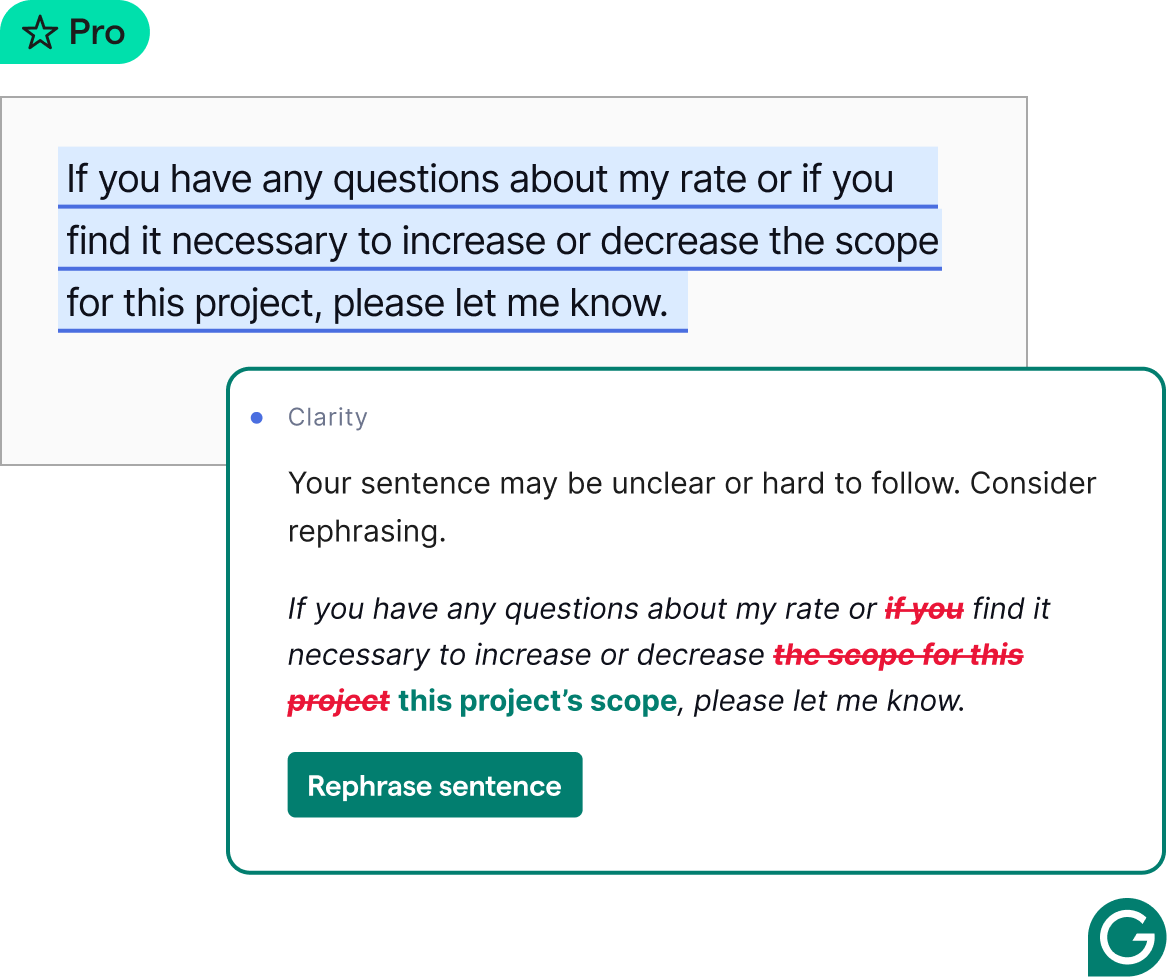
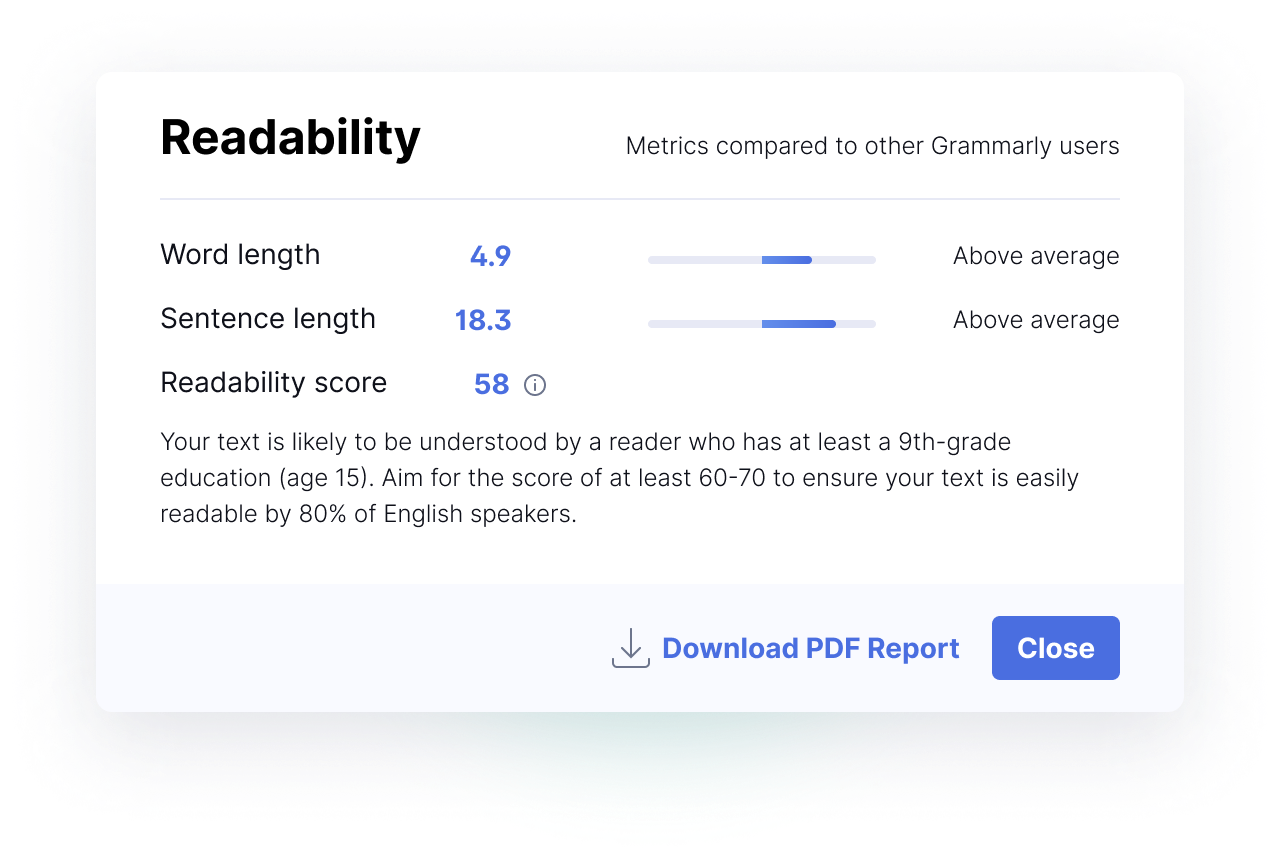
- Grammarly: This tool not only checks grammar and punctuation but also analyzes sentence structure, suggesting changes to enhance readability. Its premium version includes advanced style suggestions.
- Hemingway Editor: Focused on clarity, the Hemingway Editor highlights complex sentences and suggests simplifications, promoting concise writing that is easy to understand.
- ProWritingAid: This comprehensive writing assistant offers a detailed analysis of sentence structure, including readability scores and style suggestions, making it a valuable resource for writers looking to improve
- Readable: This tool provides a variety of readability tests and insights into sentence length and complexity, helping writers assess their work’s accessibility.
Resources for Learning About Sentence Structure and Style
In addition to writing tools, various resources are available for those who wish to deepen their understanding of sentence structure and style. These resources can provide valuable insights into the principles of effective writing, offering guidance for crafting varied sentences. Some recommended resources include:
- Books: Titles like “The Elements of Style” by Strunk and White and “On Writing Well” by William Zinsser provide foundational knowledge and practical tips for improving sentence variety.
- Online Courses: Websites such as Coursera and Udemy offer courses on writing that cover aspects of sentence structure, allowing writers to learn at their own pace.
- Writing Blogs: Blogs such as Writer’s Digest and The Write Practice provide articles focused on sentence structure and style tips, serving as excellent resources for continuous learning.
- Style Guides: Manuals like the Chicago Manual of Style and the APA Publication Manual offer guidance on maintaining consistency and variation in writing style.
Effectiveness of Different Writing Aids
The effectiveness of writing aids can vary based on individual needs and writing styles. Some tools excel in specific areas, while others provide a comprehensive approach to writing improvement. Evaluating the effectiveness of these aids involves considering factors such as user experience, types of feedback provided, and accessibility.
“The right tools can help illuminate sentence patterns, making it easier for writers to identify areas where variation is needed.”
Using a combination of these tools and resources can yield the best results for writers seeking to enhance sentence variation. For instance, a writer might use Grammarly for immediate feedback while referring to a book like “The Elements of Style” for in-depth understanding. Ultimately, selecting the right tools and continuing to expand one’s knowledge will facilitate the journey toward achieving better readability and a more dynamic writing style.
Practicing Sentence Variation
To enhance readability and engage readers effectively, practicing sentence variation is crucial. Regular practice can help writers recognize patterns in their writing and explore diverse structures that can elevate their style. Engaging in targeted exercises allows for a deeper understanding of how different sentence structures impact the overall flow and clarity of writing.Rewriting simple sentences into varied structures not only adds complexity to writing but also helps maintain the reader’s interest.
By transforming straightforward sentences into more intricate forms, writers can learn to express thoughts more dynamically. This practice enables writers to experiment with rhythm and pacing, ultimately improving their ability to convey messages clearly and engagingly.
Exercises for Practicing Sentence Structure Variation
Engaging in specific exercises can significantly improve one’s ability to vary sentence structures. The following exercises are designed to help develop this skill effectively:
- Simple to Complex Transformation: Take a simple sentence such as “The cat sat on the mat.” and rewrite it in various complex forms, such as “Sitting comfortably on the mat, the cat appeared content.” This encourages the use of introductory phrases and clauses.
- Sentence Expansion: Start with a basic sentence like “The sun set.” and expand it by adding descriptive phrases and clauses, transforming it into “As the sun dipped below the horizon, the sky was painted in vibrant shades of orange and pink.” This exercise enhances descriptive writing.
- Combining Sentences: Combine two or more short sentences using conjunctions or relative pronouns. For instance, “It was raining. I took an umbrella.” can be combined into “Since it was raining, I took an umbrella.” This helps in understanding the flow between ideas.
- Using Different Sentence Openers: Rewrite the sentence “I enjoy reading books.” using various openings, such as “Books are my passion.” or “Reading is something I truly enjoy.” This practice encourages creativity in sentence beginnings.
- Varying Sentence Lengths: Write a paragraph that alternates between short, punchy sentences and longer, more detailed ones, thus creating a dynamic rhythm that captivates the reader’s attention.
Rewriting Simple Sentences into Varied Structures
Transforming simple sentences into varied structures involves the application of various techniques. Here are some examples that illustrate the process of rewriting simple sentences:
- Original: “The dog barked.” Varied: “With a loud bark, the dog alerted everyone to the approaching stranger.”
- Original: “She loves music.” Varied: “Music is a profound passion of hers, one that brings her immense joy.”
- Original: “He cooked dinner.” Varied: “After a long day at work, he prepared a delightful dinner, filling the kitchen with enticing aromas.”
- Original: “They went to the park.” Varied: “Eager for fresh air and sunshine, they ventured to the park for an afternoon of relaxation and fun.”
- Original: “The flowers bloomed.” Varied: “As spring arrived, the garden burst into color, with flowers blooming vibrantly in every corner.”
Common Phrases with Suggestions for Varied Rephrasing
Understanding how to rephrase common phrases can greatly enhance writing. Below is a table that showcases typical phrases alongside suggestions for varied rephrasing:
| Common Phrase | Varied Rephrasing |
|---|---|
| The team won the game. | Victorious, the team triumphed in the game. |
| He was very happy. | He felt an overwhelming sense of joy. |
| She walked slowly. | She strolled leisurely, taking in her surroundings. |
| It was a great day. | The day unfolded beautifully, marked by wonderful moments. |
| They enjoyed the movie. | The movie captivated them, providing an enjoyable experience. |
Analyzing Published Works
Analyzing the sentence structures used in well-known literary works provides invaluable insights into the craft of effective writing. By examining the ways in which accomplished authors vary their sentence structures, one can appreciate the rhythm and clarity that diverse sentence forms contribute to a text’s readability and engagement. This exploration highlights the significance of sentence variation in enhancing the reader’s experience and understanding.Authors employ a variety of strategies to manipulate sentence structure, which effectively captures the reader’s attention and conveys emotions, actions, and ideas with clarity.
This can be observed through diverse techniques, such as the use of short, impactful sentences juxtaposed with longer, more complex constructions to create a natural flow and maintain reader interest.
Examples from Literature
A close examination of notable works reveals how sentence variation contributes to the overall impact of the narrative. For instance, in Ernest Hemingway’s “The Old Man and the Sea,” the author often employs short, declarative sentences that convey a sense of urgency and simplicity. This style reflects the protagonist’s straightforward and determined character, enhancing the emotional weight of his struggles.
In contrast, Virginia Woolf’s “To the Lighthouse” demonstrates a more fluid and complex sentence structure that often reflects the characters’ inner thoughts and perceptions. Woolf’s use of lengthy, descriptive sentences allows readers to immerse themselves in the characters’ emotional landscapes, creating a rich tapestry of experiences and reflections.Additionally, in F. Scott Fitzgerald’s “The Great Gatsby,” varying sentence lengths and structures are utilized to evoke the opulence and chaos of the Jazz Age.
The frequent shifts between short, punchy statements and longer, elaborate descriptions mirror the tumultuous nature of the story, accentuating the contrasts within the characters’ lives.These examples illustrate the profound impact of varied sentence structures on narrative pacing, emotional resonance, and overall readability. By analyzing how different authors implement these strategies, writers can draw inspiration and develop their own techniques for enhancing sentence variation in their work.
Common Mistakes to Avoid
In the pursuit of crafting well-structured sentences, writers often encounter several pitfalls that can hinder readability and coherence. Recognizing these common mistakes is essential for enhancing written communication and ensuring that the intended message is conveyed effectively. This section delves into frequent errors related to sentence structure, along with practical advice on how to identify and rectify them.A thorough understanding of these mistakes not only helps in improving one’s writing skills but also contributes to a more engaging reading experience for the audience.
Below, we explore typical errors that writers face and provide examples to illustrate how they can be corrected for clarity and impact.
Overly Complex Sentences
One prevalent mistake is the use of overly complex sentences, which can confuse readers and obscure the main idea. Writers sometimes attempt to include multiple clauses and elaborate vocabulary, inadvertently making their prose difficult to follow. To avoid this, strive for clarity by breaking long sentences into simpler, shorter ones. For example:Poor structure: “The committee, which had been deliberating for several weeks on the proposal, finally reached a decision that, while controversial, was deemed necessary for the advancement of the project’s goals.”Improved version: “After several weeks of deliberation, the committee reached a decision.
While the decision was controversial, it was necessary for the project’s advancement.”
Sentence Fragments
Another frequent mistake is the use of sentence fragments. These are incomplete sentences that lack a subject or a verb, leading to confusion. To correct this, ensure that each sentence contains at least one independent clause. For instance:Poor structure: “Because the weather was beautiful. We decided to go for a picnic.”Improved version: “Because the weather was beautiful, we decided to go for a picnic.”
Run-On Sentences
Run-on sentences occur when two or more independent clauses are joined without appropriate punctuation or conjunctions. This can lead to a loss of clarity.To remedy this, separate independent clauses with a period, semicolon, or conjunction. For example:Poor structure: “I love reading it helps me learn new things.”Improved version: “I love reading; it helps me learn new things.”
Redundant Phrasing
Redundant phrasing occurs when a writer uses unnecessary words that do not add value to the sentence. This can dilute the impact of the writing.To enhance your writing, eliminate superfluous words. For example:Poor structure: “Due to the fact that the meeting was canceled, we will not be able to meet.”Improved version: “Since the meeting was canceled, we will not be able to meet.”
Misplaced Modifiers
Misplaced modifiers can lead to ambiguity and confusion. These occur when descriptive words or phrases are positioned incorrectly in relation to the nouns they modify.To prevent this issue, place modifiers next to the words they describe. For example:Poor structure: “She almost drove her kids to school every day.”Improved version: “She drove her kids to school almost every day.”By being aware of these common mistakes and applying the suggested corrections, writers can significantly improve their sentence structure, thereby enhancing overall readability and engagement.
Last Recap
In conclusion, varying your sentence structure is a crucial technique that can significantly enhance the readability and engagement of your writing. By applying the strategies discussed, such as mixing sentence lengths and types, and utilizing writing tools for improvement, you will be well on your way to developing a more dynamic and appealing writing style. Remember, effective communication hinges on clarity and engagement, which can be achieved through thoughtful sentence variation.